


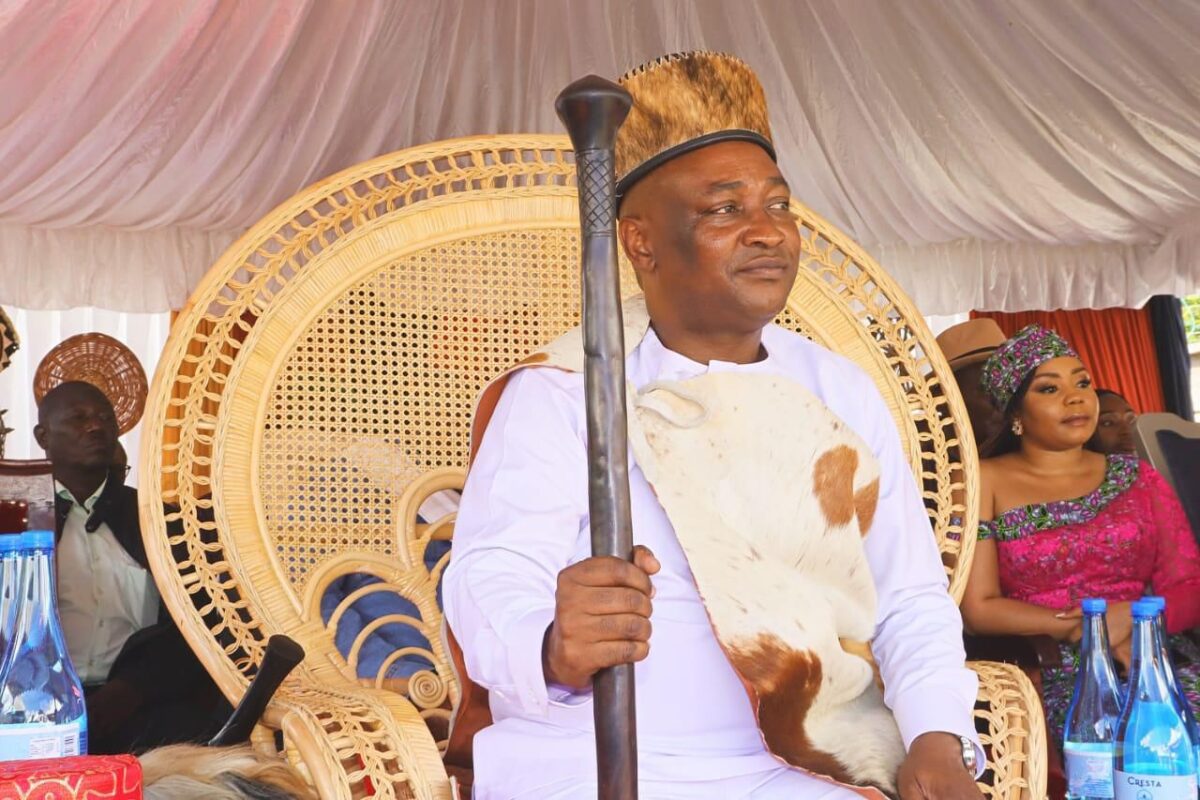
For decades, Kenya’s indigenous communities have watched elements of their culture slowly pushed to the margins—labelled illicit, unsafe, or unworthy of legal recognition. Few have taken this struggle beyond public discourse and into a constitutional courtroom. Dr. Augustus Kyalo Muli has.
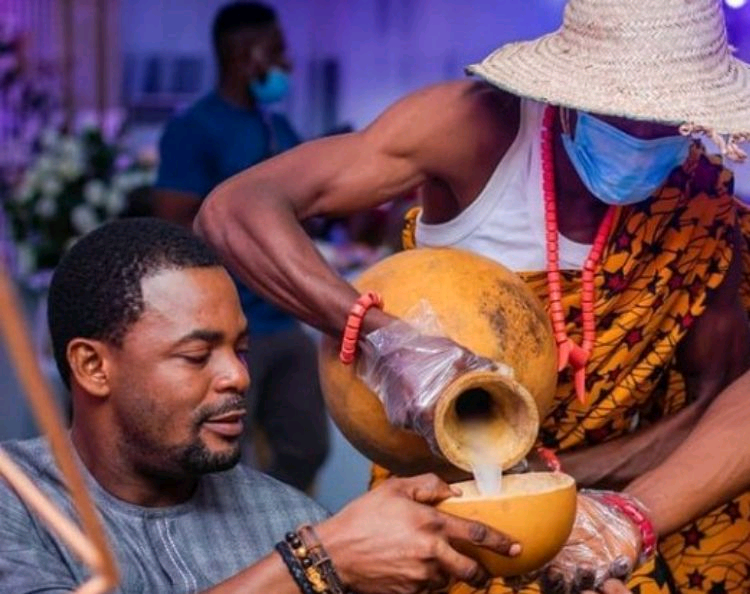
In April 2024, Dr. Muli, serving as National Patron of the Anzauni Ndene Clan, filed a constitutional petition at the Kitui High Court seeking legal recognition of the Akamba traditional brews kaluvu and mawa. In his suit, he argued that classifying these brews as illicit alcohol discriminates against the cultural practices of the Akamba people and infringes their constitutional rights to culture and freedom to participate in cultural life.
Through his lawyer, Advocate Charles Mwalimu, Muli asked the court to issue a declaration that kaluvu and mawa are not illicit drinks and that members of the Akamba community should be free to prepare and consume these brews without state interference.
He also sought directives requiring the Cabinet Secretary for Interior and the Attorney General to take practical steps within 30 days of any court order to exempt these brews from licensing requirements, arguing that they should be recognised as cultural drinks not subject to typical licensing regimes.

In addition, Dr. Muli asked the court to declare that any question of regulation and brewing of the drinks should fall under his office as National Patron of the Anzauni Ndene Clan, reflecting his view that cultural custodianship must guide any legal framework affecting traditional practices.
Muli’s petition highlighted the contrasting treatment of traditional brews—citing a February 2024 High Court decision in Kiambu that held muratina, a Kikuyu traditional drink, is not an illicit brew and may be prepared as part of cultural practice.
The High Court referred the matter to Justice Elizabeth Karani and set a mention date of May 28, 2024, a preliminary procedural hearing to manage the flow of court processes.
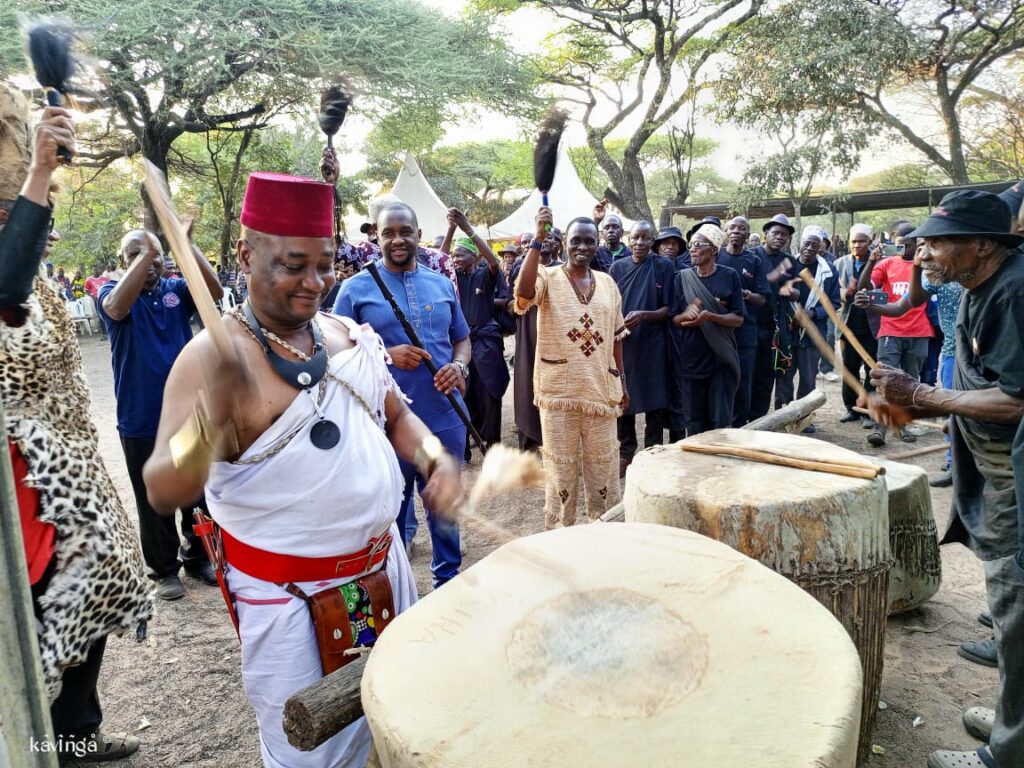
The case is now awaiting judgment, expected in early February 2026. The prolonged deliberation has sparked broader discussion across legal and cultural spheres about how Kenya’s regulatory framework treats indigenous practices compared with commercial alcohol interests.
Supporters of the case say criminalising traditional brewing has harmed rural livelihoods—especially those of women for whom brewing kaluvu and mawa has cultural and economic significance. Critics, while recognising cultural value, argue that questions about licensing, safety, and public health must also be considered.
Throughout the process, Dr. Muli has kept a measured public posture, framing his court action as a call for fairness and constitutional clarity rather than confrontation. That stance has gradually reshaped his public image—particularly in Kitui Central, where he is increasingly viewed as a potential Member of Parliament aspirant in 2027.
Unlike conventional political paths marked by rallies and slogans, his rise has been anchored in issue-based engagement and institutional advocacy, appealing to constituents who value cultural preservation and legal reform.
As the High Court prepares to deliver its judgment, the implications extend beyond Dr. Muli and the Anzauni Ndene Clan. At stake is a broader question about whether Kenya’s legal system can reconcile cultural heritage and regulatory order in a way that respects tradition without compromising law and public interest.
For Dr. Muli, the courtroom has become more than a legal arena—it is a defining platform in a political journey headed toward 2027
