



A dramatic standoff unfolded on Monday evening after matatu operators publicly contradicted Energy Cabinet Secretary Opiyo Wandayi during a live press briefing, insisting that no agreement had been reached to end the ongoing nationwide transport strike over rising fuel prices.
The heated exchange exposed deep divisions between the government and players in the public transport sector, even as commuters across major towns continued to grapple with disrupted transport services.
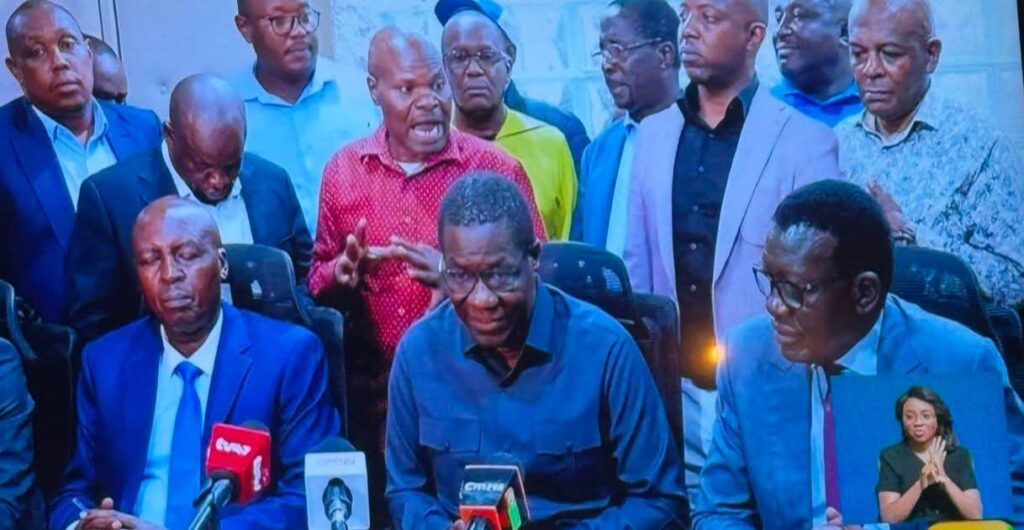
CS Wandayi had announced that the government, through the Energy and Petroleum Regulatory Authority (EPRA), would soon publish revised fuel prices aimed at easing the crisis. According to the CS, diesel prices are expected to drop while kerosene prices will rise in a move intended to narrow the pricing gap between the two petroleum products.
However, matatu operators immediately rejected the government’s position, maintaining that the strike remains firmly in force until their demands are fully addressed.

Officials from the Matatu Owners Association (MOA), who openly disagreed with CS Wandayi and Roads CS Davis Chirchir during the televised briefing, accused the government of attempting to create the impression that a settlement had been reached when consultations were still ongoing.
The operators insisted that no formal agreement exists and vowed to continue suspending transport services nationwide until further notice.
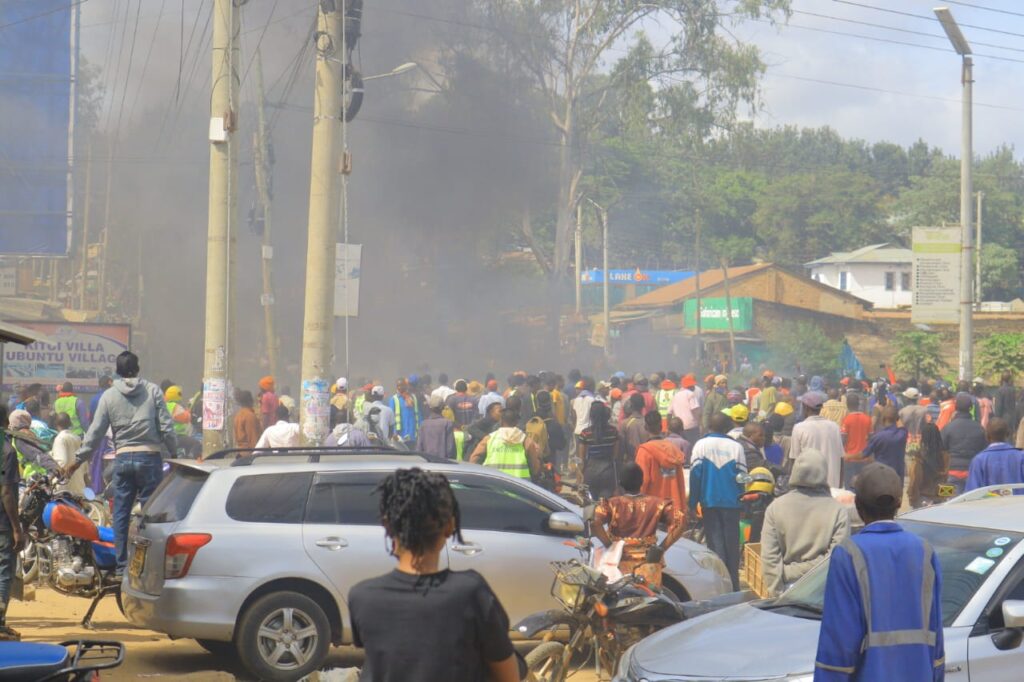
At the centre of the dispute is the operators’ demand for government intervention to cushion the sector from the soaring cost of diesel, which they argue has made operations unsustainable.
While the government proposed adjustments to fuel pricing through EPRA, matatu stakeholders rejected the proposal, insisting that authorities should instead provide the KSh46 relief they are demanding to stabilize transport operations.
The public fallout now raises fresh uncertainty over when normal transport services will resume, with thousands of commuters stranded in several towns and cities as the standoff escalates.
The nationwide strike has already triggered business disruptions, transport paralysis and protests in some regions, piling pressure on President William Ruto’s administration amid growing public anger over the high cost of living.
