



Kitui County is charting a new agricultural future under the stewardship of County Executive Committee Member (CECM) for Agriculture and Livestock, Stephen Mbaya Kimwele, who is spearheading an ambitious strategy to unlock private-sector investment and expand market access across the county’s agricultural value chains.
In a decisive move that signals policy clarity and investor confidence, the County Ministry of Agriculture and Livestock convened a high-level inception meeting at the Kitui Agricultural Training Centre (ATC), bringing together a powerful development consortium comprising MicroSave Consulting, Micro Enterprises Support Programme Trust (MESPT), and Tegemeo Institute of Agricultural Research and Policy.
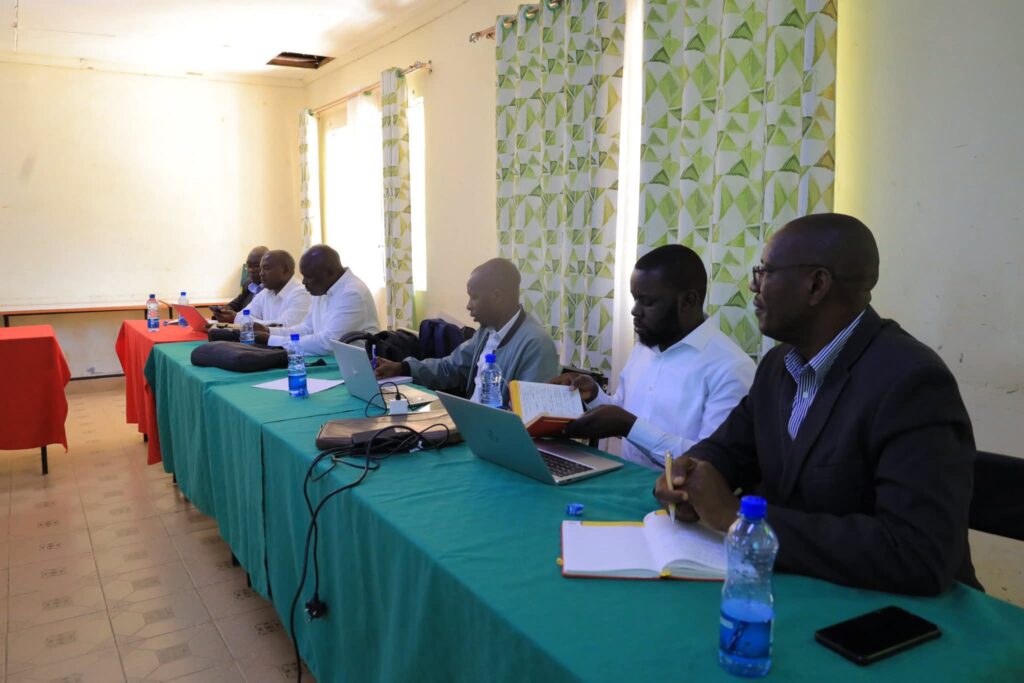
The meeting was not merely procedural—it marked the beginning of a structured, market-driven transformation agenda designed to position Kitui as a competitive agribusiness investment destination in Kenya’s Lower Eastern region.
From Production to Profitability
For years, Kitui farmers have faced persistent challenges including limited and inconsistent market access, weak aggregation systems, and vulnerability to price fluctuations.
Under Dr. Kimwele’s leadership, the county is now shifting from a subsistence-oriented model to a commercially structured agricultural ecosystem where private investors, farmer organizations, and county institutions operate within a coordinated framework.
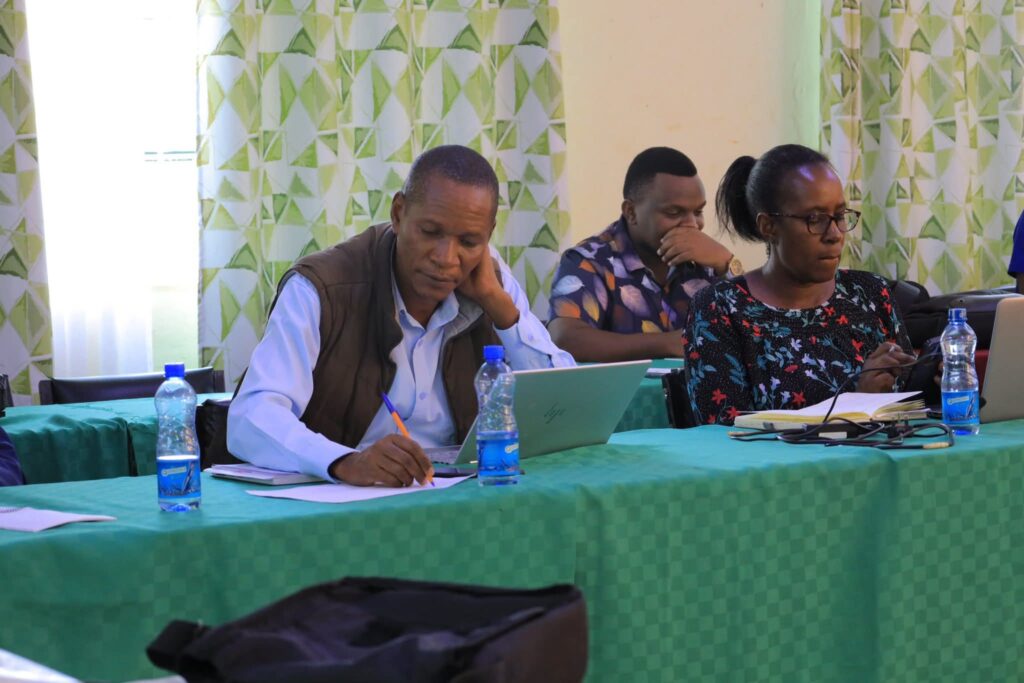
The new initiative seeks to systematically map private-sector players, design targeted investment strategies for priority value chains, and create strong market linkages that guarantee reliable buyers and fair pricing for farmers.
By strengthening value addition and aggregation systems, the county aims to ensure farmers move beyond raw production into higher-value markets, including export opportunities.
Dr. Kimwele has positioned the strategy as both an economic and social transformation agenda. During the meeting, he reaffirmed the County Government’s commitment to fostering an enabling environment that attracts capital while safeguarding farmer interests.
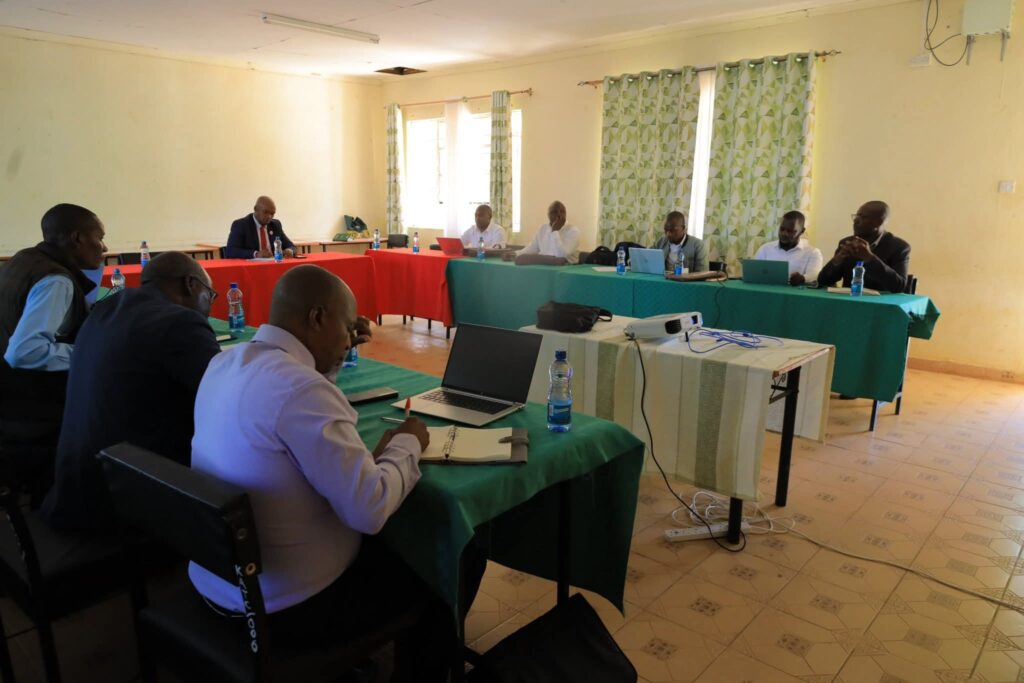
His message was clear: agricultural growth in Kitui must be inclusive, sustainable, and investment-ready.
Inclusive Growth at the Core
A notable highlight of the forum was the emphasis on financial inclusion, particularly for persons with disabilities and individuals with special needs. The county’s approach recognizes that equitable participation across agricultural value chains strengthens both productivity and social cohesion.
By integrating inclusive financing models and empowering farmer organizations, the ministry aims to ensure that no farmer is left behind in the transition toward structured markets.
The presence of senior county officials, including Chief Officers Gladys Kivoto (Agriculture) and Jonathan Kyambi (Livestock), alongside representatives from trade, cooperatives, gender, and social services departments, demonstrated a coordinated, whole-of-government approach to agricultural reform.
Observers note that such institutional alignment is often the missing link in county-level agricultural transformation. Under Dr. Kimwele’s stewardship, Kitui appears determined to bridge policy, investment, and implementation.
A Defining Moment for Kitui’s Economy
Agriculture remains the backbone of Kitui’s economy, supporting the majority of households. By proactively courting private-sector partnerships and strengthening market systems, the county is signaling that it is ready to transition from vulnerability to competitiveness.
If successfully implemented, the initiative could unlock new streams of investment, stabilize farmer incomes, expand export channels, and cement Kitui’s reputation as a forward-looking agribusiness hub.
For Dr. Stephen Kimwele, the initiative represents more than a policy rollout—it is a defining leadership moment that could shape the economic trajectory of Kitui for years to come.
