



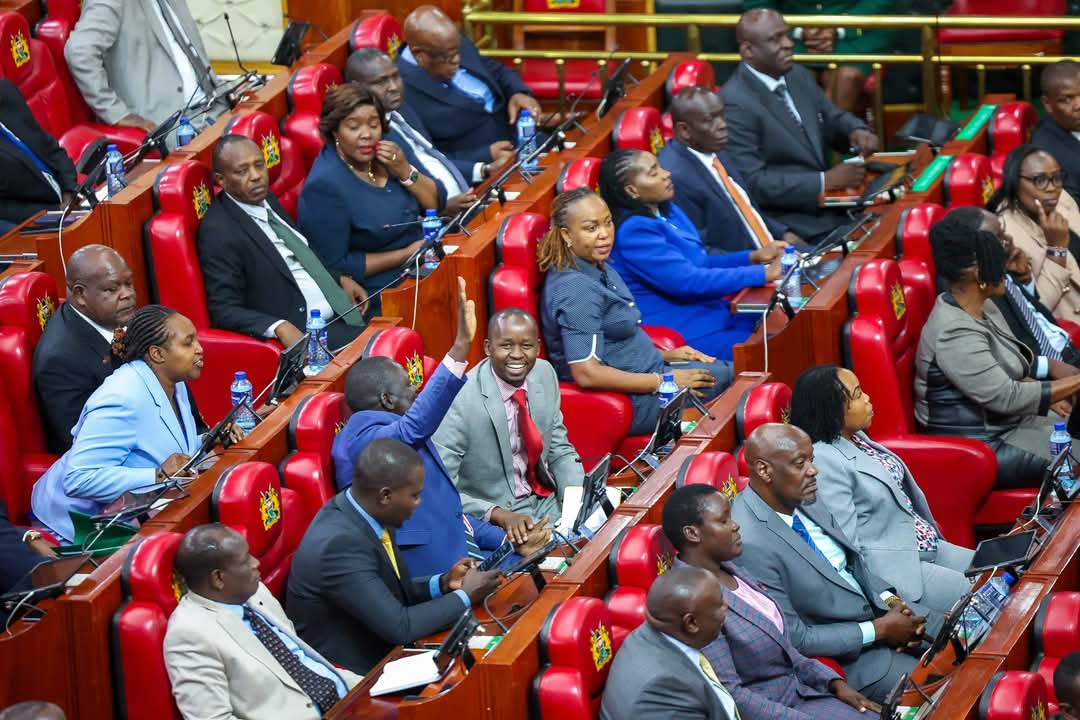
Members of Parliament are seeking a 13% increase in their budgetary allocation for the upcoming 2025/26 financial year, marking the largest proposed budgetary hike among all arms of government, according to official estimates tabled before the National Assembly.
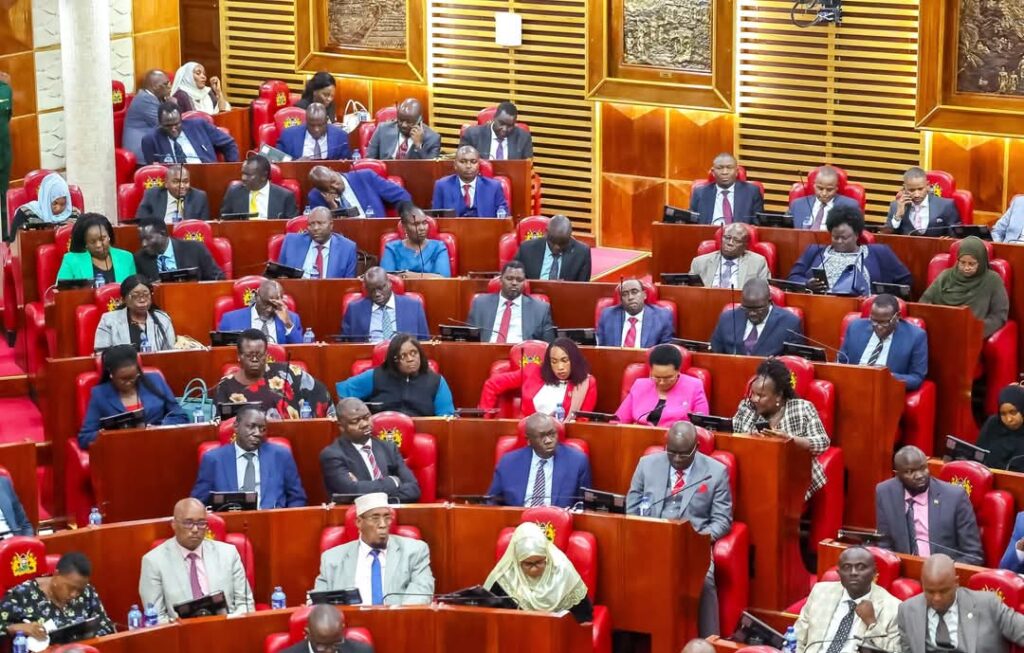
The proposal, submitted by the Parliamentary Service Commission (PSC), seeks to raise the allocation to Parliament from the current Ksh 40.9 billion to Ksh 46.2 billion. The increase has triggered public concern, especially at a time when the government is calling for austerity and rationalized spending in the face of a worsening fiscal deficit and growing public debt.
Growing Budget, Expanding Mandate
📊 Channel 15 News Opinion Poll
The PSC has defended the proposal, citing a growing legislative workload, enhanced public engagement, and the implementation of Parliament’s Strategic Plan as key drivers for the increase. The budget will also cover higher allowances, expanded staff support, and increased oversight and constituency activities.
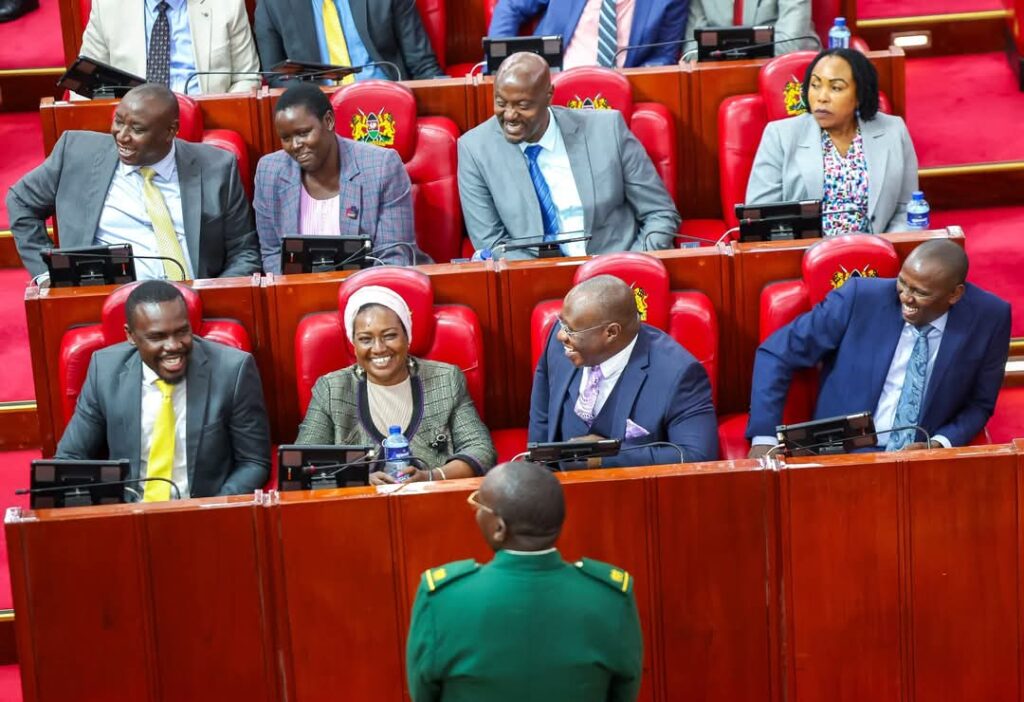
“The budget increment reflects the growing mandate of Parliament, especially in holding the Executive accountable and engaging with the public,” a senior PSC official told the Budget and Appropriations Committee.
However, this has not gone down well with many Kenyans, who view the move as prioritizing self-interest over national needs.
Public and Expert Criticism
Governance and budget experts have criticized the proposal as insensitive and out of touch.
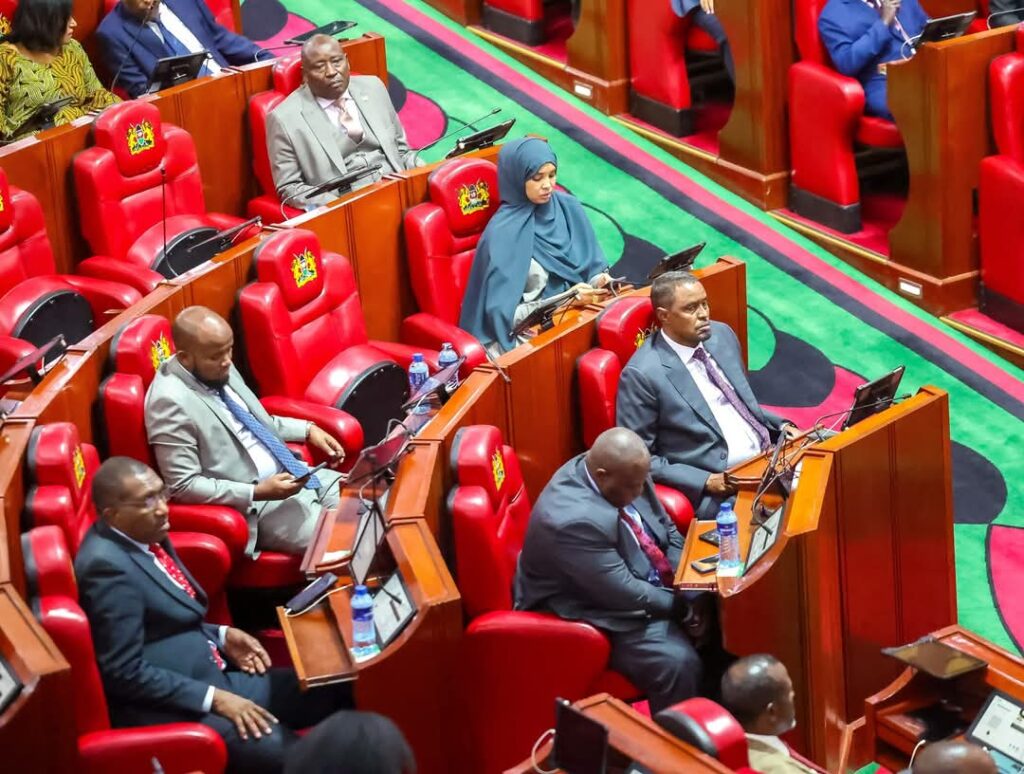
“This is not the time for Parliament to reward itself. Millions of Kenyans are struggling with high cost of living, poor healthcare, and underfunded schools,” said Caroline Muthoni, a policy analyst at the Institute for Public Accountability (IPA).
Civil society organizations have also warned that if the National Assembly approves the increase without public consultation, it will set a bad precedent for fiscal discipline.
Some opposition lawmakers have distanced themselves from the PSC’s push, arguing that the budget process should reflect current economic realities.
Executive and Judiciary Ask for Less
In stark contrast to Parliament’s 13% proposal, the Executive has proposed a 3.5% budget increase, aligning with fiscal consolidation targets under the IMF program. The Judiciary is asking for a 7% increase, mainly to support digitization of court operations and ongoing infrastructural upgrades.
Independent institutions such as the Ethics and Anti-Corruption Commission (EACC) and the Office of the Auditor-General have decried underfunding and requested budget raises of at least 10%, though their final allocations remain uncertain.
What Lies Ahead
The proposal is currently under review by the Budget and Appropriations Committee, which is expected to table a report ahead of the June 30 budget approval deadline. Public participation forums are also set to be held across the 47 counties, giving citizens an opportunity to weigh in on how public funds should be allocated.
As economic pressures mount and Kenyans demand accountability in public service, all eyes will be on Parliament — not just for legislation, but for leadership in prudent financial stewardship.
