


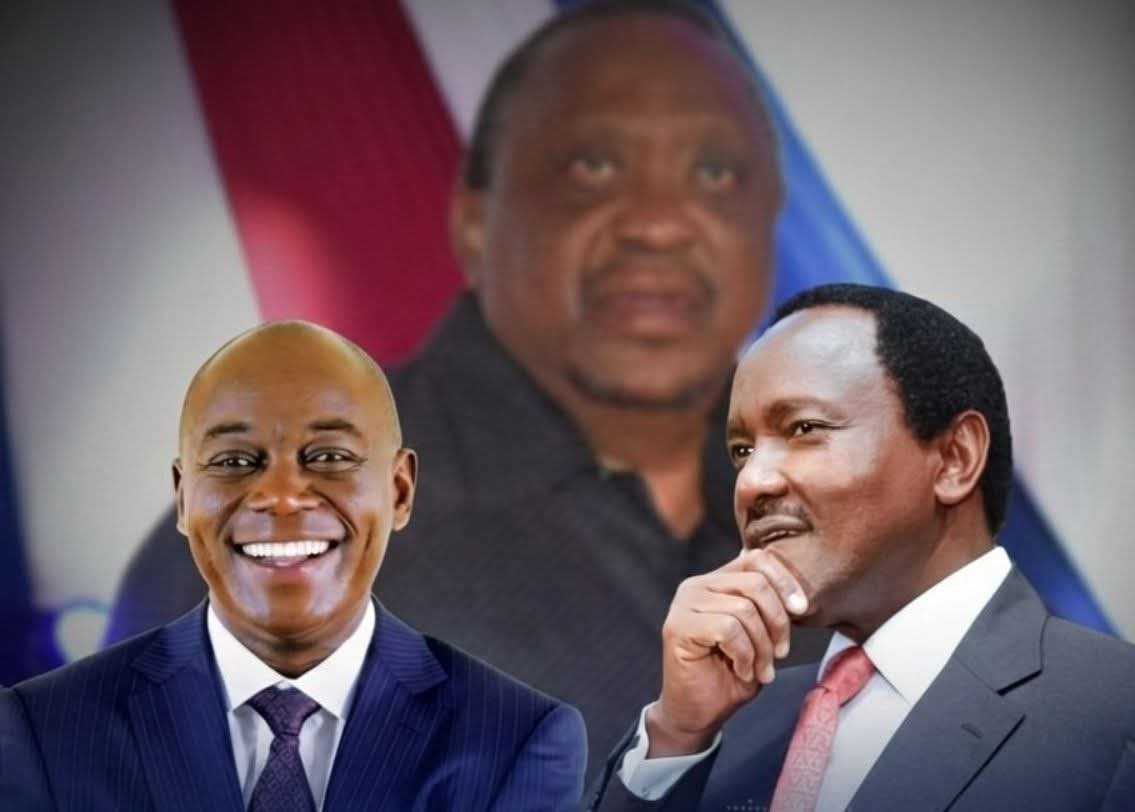
A leadership shake-up within the Azimio la Umoja One Kenya Coalition Party has sparked fresh internal turmoil after a section of affiliate political parties, led by National Liberal Party (NLP) leader Dr Augustus Kyalo Muli, rejected the appointment of Wiper Party leader Kalonzo Musyoka as the coalition’s new party leader.
The contested changes were announced following a National Executive Committee (NEC) meeting chaired by former President Uhuru Kenyatta, during which Suba South MP Caroli Omondi was named the new Azimio Secretary-General, replacing Junet Mohamed.
However, Dr Muli and allied affiliate parties have faulted the process, describing it as procedurally flawed, illegitimate, and null and void. Questioning the legitimacy of the decision, Dr Muli asked who appointed Kalonzo Musyoka, in which meeting the decision was made, who convened that meeting, and who attended it.

The dissenting parties argue that Azimio is a coalition of more than 20 constituent political parties and that any major leadership changes must be subjected to broad consultation, transparency, and formal ratification by all coalition partners, in line with the coalition’s founding agreements. They maintain that this threshold was not met.
While stressing that their objection is procedural rather than personal, Dr Muli clarified that his position should not be interpreted as an attack on Kalonzo Musyoka, stating that he takes no offence with the Wiper leader.
Following the announcement, the disgruntled affiliate parties wrote to the Office of the Registrar of Political Parties, cautioning against the implementation of the leadership changes and seeking clarity on the legality of the process that led to the appointments.They warned that any attempt to effect the changes without addressing their concerns could trigger political and legal action.
On the other hand, Azimio officials allied to the Uhuru-chaired council have defended the move, insisting that the decisions were made within the coalition’s established governance structures and that the NEC and Coalition Council are mandated to make such leadership determinations.
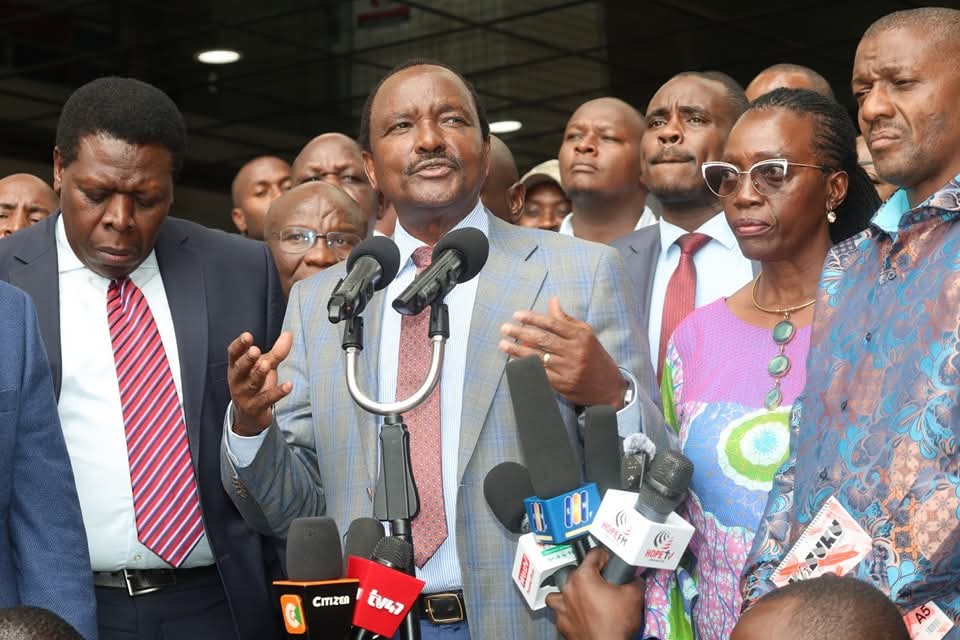
Kalonzo Musyoka has since accepted the appointment, describing it as a call to service and a collective responsibility aimed at strengthening the coalition as it prepares for the 2027 General Election, particularly in the aftermath of the leadership vacuum created by the late Raila Odinga.
Political observers say the standoff exposes deepening fault lines within Azimio as the coalition grapples with questions of authority, inclusivity, and unity in a post-Raila political landscape.
With the Registrar of Political Parties now drawn into the dispute, the unfolding controversy threatens to escalate into a legal and political showdown that could shape the coalition’s future.
