



NLP Party Leader Dr. Augustus Kyalo Muli on Wednesday held talks with Jubilee Party Secretary General Jeremiah Kioni, a meeting that has reignited speculation over possible political realignments ahead of the 2027 General Election.
The meeting, held at Kioni’s office, comes amid renewed opposition consultations as parties explore coalition frameworks capable of mounting a serious challenge to the Kenya Kwanza administration.
While the specifics of the talks were not disclosed, the engagement has drawn heightened attention due to NLP’s expanding political footprint, particularly in the Lower Eastern region and nationally. Party officials say NLP has surpassed 350,000 registered members, a figure that places it among the fastest-growing political parties outside the established mainstream formations.
Lower Eastern Voter Analysis
Lower Eastern—comprising Kitui, Machakos, and Makueni counties—has in recent elections delivered a sizeable and relatively cohesive vote, making it a critical bargaining bloc in national coalition politics. Analysts argue that a party commanding structured grassroots support in the region gains significant leverage in alliance negotiations, not just in terms of votes but also in mobilization capacity and turnout assurance. NLP’s growing presence in the region is therefore viewed as a strategic asset that could influence how major opposition parties structure their 2027 coalitions.

The Muli–Kioni meeting has also revived discussion around the broader opposition succession debate, particularly as Wiper Party leader Kalonzo Musyoka continues to position himself for another presidential run. Kalonzo, who commands deep roots in Lower Eastern, is widely expected to seek a unifying role within the opposition, a factor that adds complexity to ongoing realignment talks involving Jubilee, smaller parties, and emerging power brokers.
At the same time, Jubilee’s internal consultations have kept former Interior Cabinet Secretary Dr. Fred Matiang’i in the conversation as a potential opposition flag bearer, though party officials maintain that no formal endorsement has been made and that discussions remain ongoing.
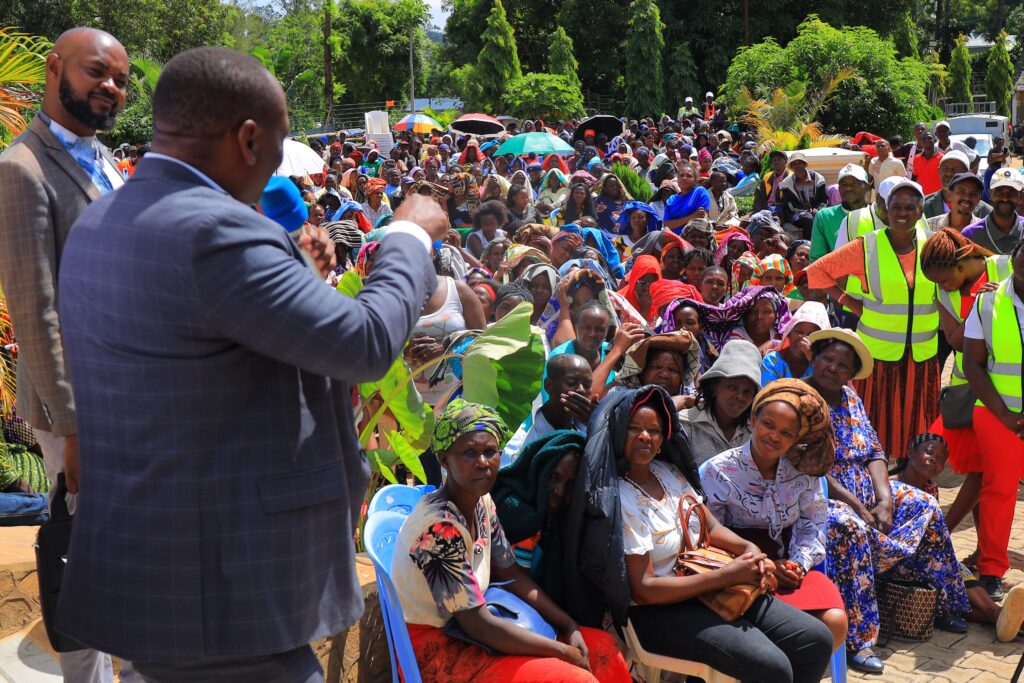
Observers say the emerging picture points to a crowded opposition field where regional arithmetic, party membership strength, and leadership acceptability will be decisive. In this context, engagements such as Wednesday’s Muli–Kioni talks are increasingly seen as early positioning moves rather than isolated meetings.
Sources familiar with Jubilee Party’s internal dynamics indicate that former President Uhuru Kenyatta continues to exert influence within the party, offering strategic direction as it seeks to remain relevant in national politics, even as he maintains a low public profile.
As the 2027 race gradually takes shape, the evolving role of Lower Eastern and the rise of smaller but organized parties like NLP are expected to play a key role in shaping opposition alliances and outcomes.
Channel 15 News — Bold. Timely. Verified.
