


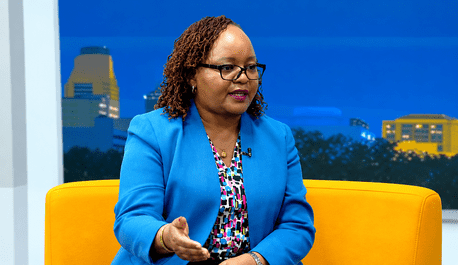
Kirinyaga Governor Anne Waiguru has declared her interest in becoming Kenya’s next Deputy President, throwing her name into the emerging contest over President William Ruto’s 2027 re-election strategy while questioning the opposition’s ability to unseat the incumbent.
Speaking during Citizen Sunday Live with Jeff Koinange, Waiguru defended Ruto’s leadership, describing him as the most hardworking president she had encountered among the three administrations she had served under.
The governor, who worked under former presidents Mwai Kibaki and Uhuru Kenyatta before serving in Ruto’s administration, said the current Head of State had endured a difficult first two years, which she attributed partly to opposition politics.
“I have expressed my interest in serving as a DP in this country,” Waiguru said, signalling her readiness to compete for the position as political realignments ahead of the 2027 General Election gather momentum.
She argued that Ruto’s administration had delivered tangible results despite criticism, citing inflation performance as one of the indicators she believes should inform assessments of his government.
According to Waiguru, political propaganda had sometimes overshadowed what she described as measurable achievements, insisting that economic figures should be considered when evaluating the administration’s performance.
Waiguru Explains What Ruto Needs in a Running Mate
Waiguru acknowledged that the final decision on Ruto’s running mate would rest with the President, arguing that the choice would be guided by political calculations rather than personal relationships.
She said the most critical consideration would be identifying a candidate capable of helping Ruto assemble the numbers required to cross the 50 per cent-plus-one threshold needed to win the presidency.
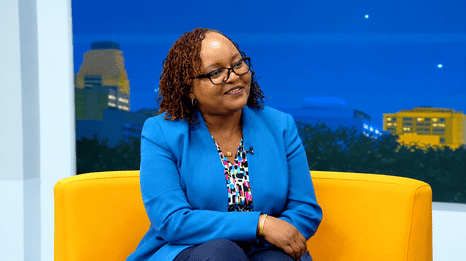
Waiguru added that gender representation would be difficult to ignore, arguing that the country must deliberately pursue gender equality in its top leadership.
Asked whether she could perform better than Deputy President Kithure Kindiki, she declined to compare their performance, saying the two leaders had different skill sets.
Instead, she pointed to her experience in national government, citing Huduma Centres as an example of an initiative she said remained a flagship public service programme.
Gachagua Is Not Mt Kenya’s Kingpin, Waiguru Says
The Kirinyaga governor also challenged the perception that former Deputy President Rigathi Gachagua is the undisputed political kingpin of the Mt Kenya region.
Waiguru argued that the region currently lacked a definitive kingpin, suggesting Gachagua’s influence was stronger as a voice for dissent than as a presidential candidate.
She claimed that while some residents viewed Gachagua as a spokesperson for their grievances, that did not necessarily translate into support for his presidential ambitions.
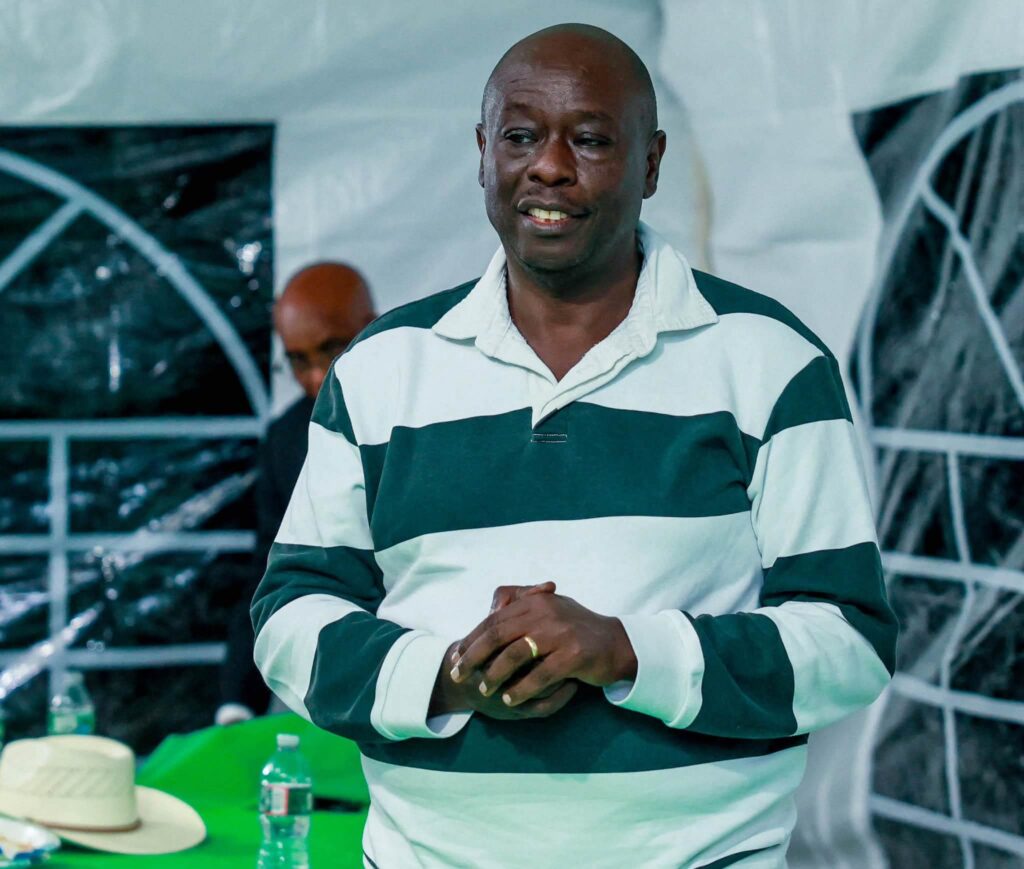
According to Waiguru, Gachagua could be regarded as a leading voice for dissent in Mt Kenya without necessarily being the region’s preferred choice for the presidency.
She maintained that leaders from the region should remain united despite competing political ambitions.
“It’s not like we want to split the mountain; we have expressed our interest,” she said, arguing that seeking different political positions should not automatically be interpreted as an attempt to divide the region.
Waiguru also defended her decision to shift allegiance from former President Uhuru Kenyatta to Ruto, denying that she had betrayed her former political ally.
She said she informed Uhuru before making the move, explaining that she needed political support to pursue a second term as Kirinyaga governor after facing an attempted impeachment.
Waiguru said she was concerned about seeking re-election while politically isolated, with elected leaders in her county belonging to other parties.
Waiguru Casts Doubt on Sifuna’s 2027 Presidential Bid
Waiguru also questioned the prospects of opposition figures Edwin Sifuna, Kalonzo Musyoka and Fred Matiang’i in the 2027 presidential election, arguing that defeating Ruto would require more than attracting large crowds to political rallies.
She said Sifuna had a political future but did not believe the 2027 election would be his moment to become president.
“I believe Sifuna has a future, but I don’t think that future is 2027,” she said.
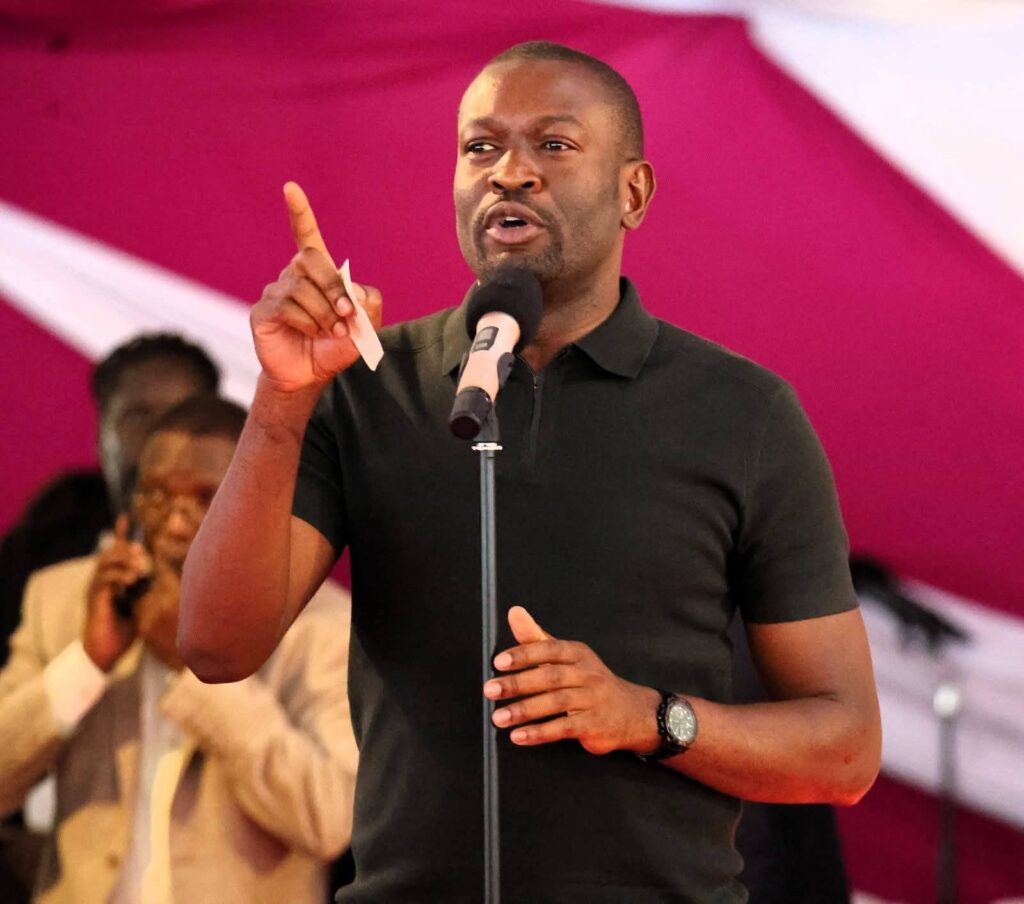
Waiguru argued that the Nairobi senator had yet to demonstrate the political strength needed to defeat an incumbent with Ruto’s experience and mobilisation capacity.
“I don’t gamble. I believe that winning elections takes a little bit more than being able to get large crowds in rallies,” she said.
The governor described Ruto as a formidable political opponent, citing his experience in winning elections and his ability to mobilise supporters across the country.
She also questioned whether Kalonzo would agree to deputise Matiang’i, suggesting that disagreements over the presidential ticket could complicate efforts to unite opposition leaders.
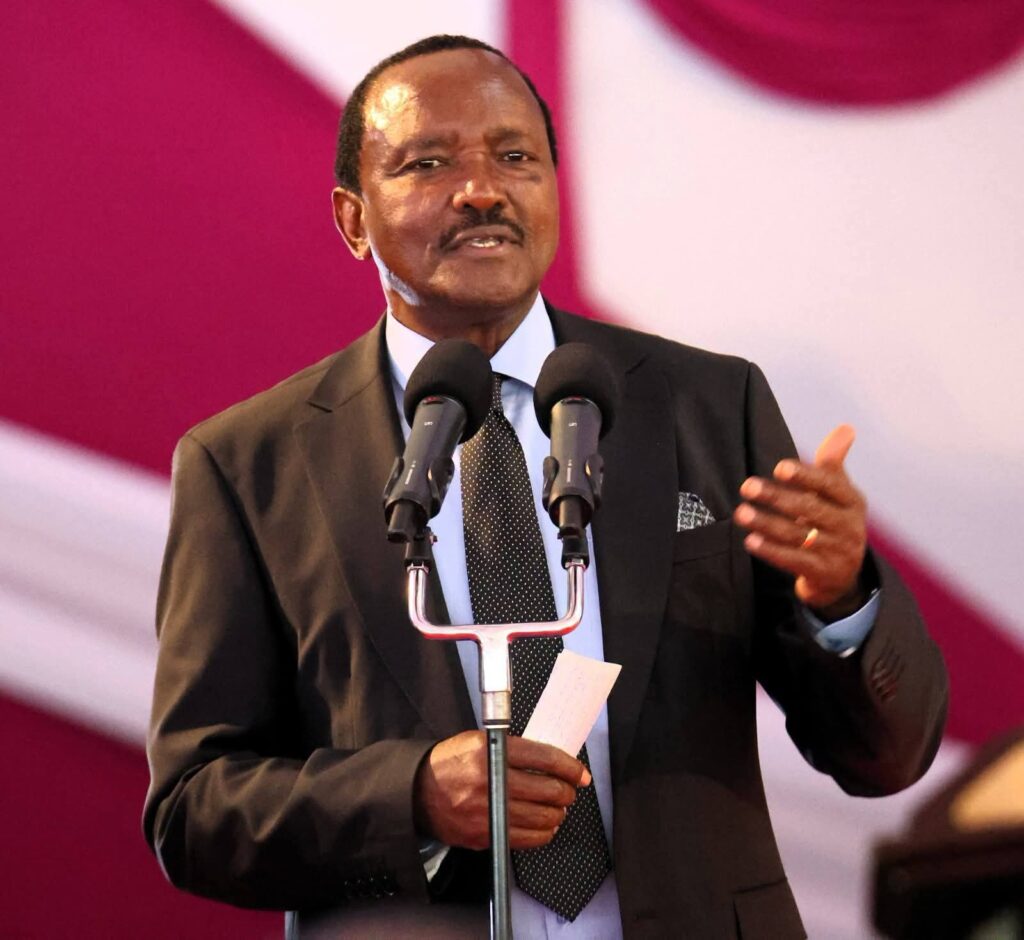
Waiguru claimed that some Kalonzo supporters had indicated they could support Ruto if their preferred candidate was not on the presidential ticket. She cited similar sentiments among some supporters in Kisii who, she said, could turn to Ruto if Matiang’i was not their preferred candidate.
Her remarks point to the coalition-building challenges facing opposition leaders as they consider how to consolidate their support ahead of the 2027 polls.
Gender Could Shape Ruto’s 2027 Decision
Waiguru’s declaration places her among the leaders publicly expressing interest in the deputy presidency as speculation over Ruto’s potential running mate continues.
She insisted that the decision would ultimately depend on the political numbers, the ability to attract support across different regions and other strategic considerations, including gender.
With the 2027 General Election approaching, the competition for the deputy presidency is expected to feature prominently in discussions about political alliances, regional representation and the balance of power within Ruto’s re-election campaign.
Waiguru’s comments also expose the competing ambitions within Mt Kenya politics, where questions of regional leadership, unity and support for Ruto remain central to the evolving political debate.
Her predictions about the opposition and Gachagua’s influence remain political assessments, with the eventual outcome dependent on coalition negotiations, candidate selection and voters’ decisions at the ballot.
