


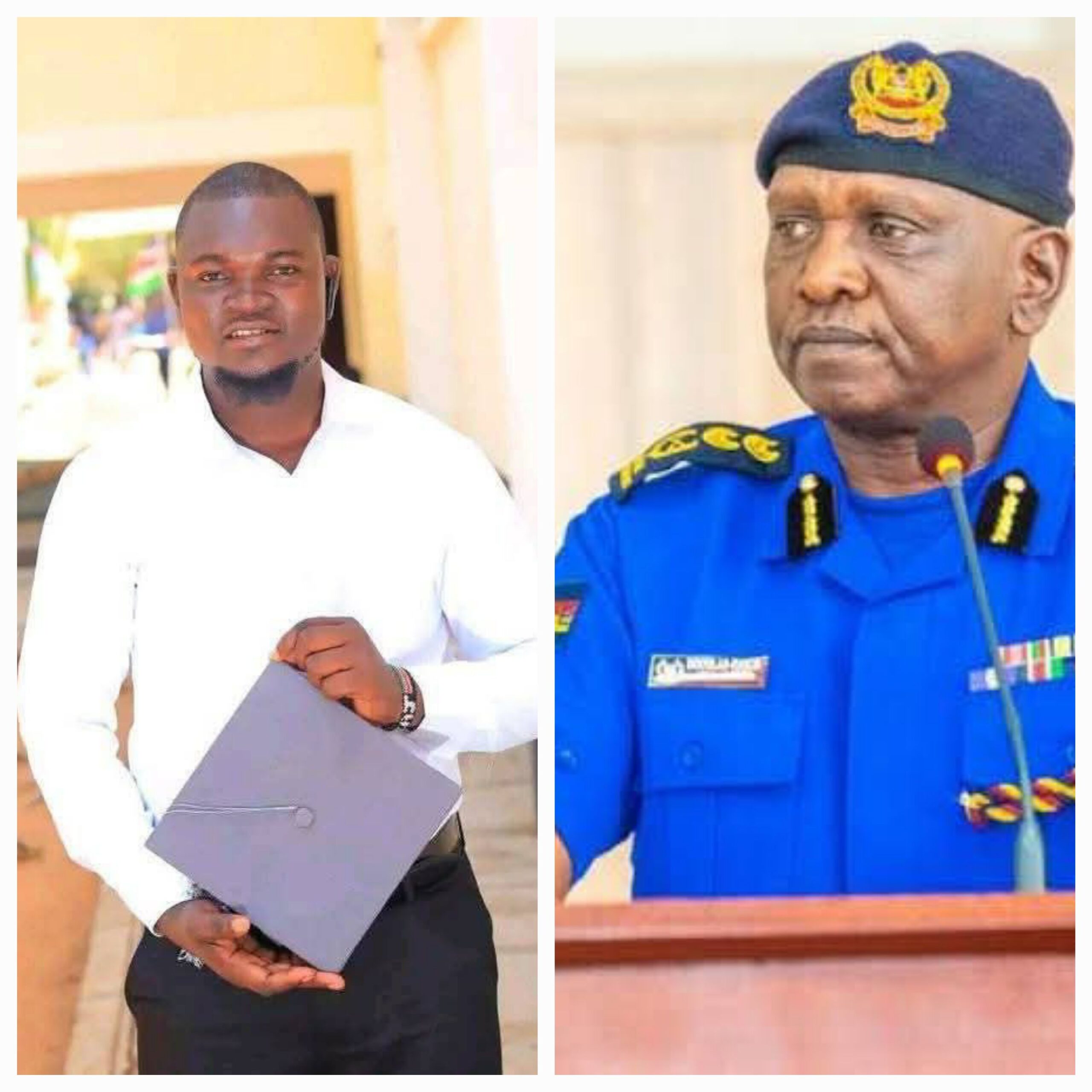
The tremors sparked by the mysterious death of Albert Ojwang in police custody are now shaking the foundations of Kenya’s security establishment. In a swift and unprecedented move, Inspector General of Police Douglas Kanja has ordered the immediate suspension of senior officers attached to Nairobi’s Central Police Station—where Ojwang met his tragic and unexplained end.
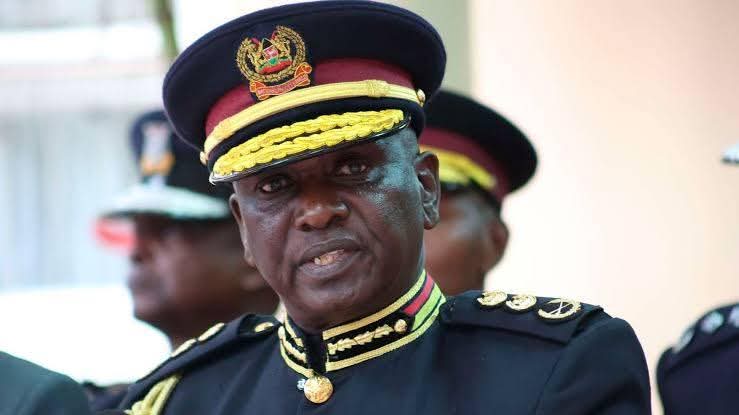
Sources close to the top command reveal that the directive was issued with blunt urgency. The axe has fallen not just on the officer in charge of the entire station, but also on those who held the keys to the cells, managed the nightly operations, and manned the report desk during the chilling hours Ojwang is believed to have suffered fatal injuries. Anyone whose name appears on that station’s duty roster for the night in question has now been shown the door—pending investigations.
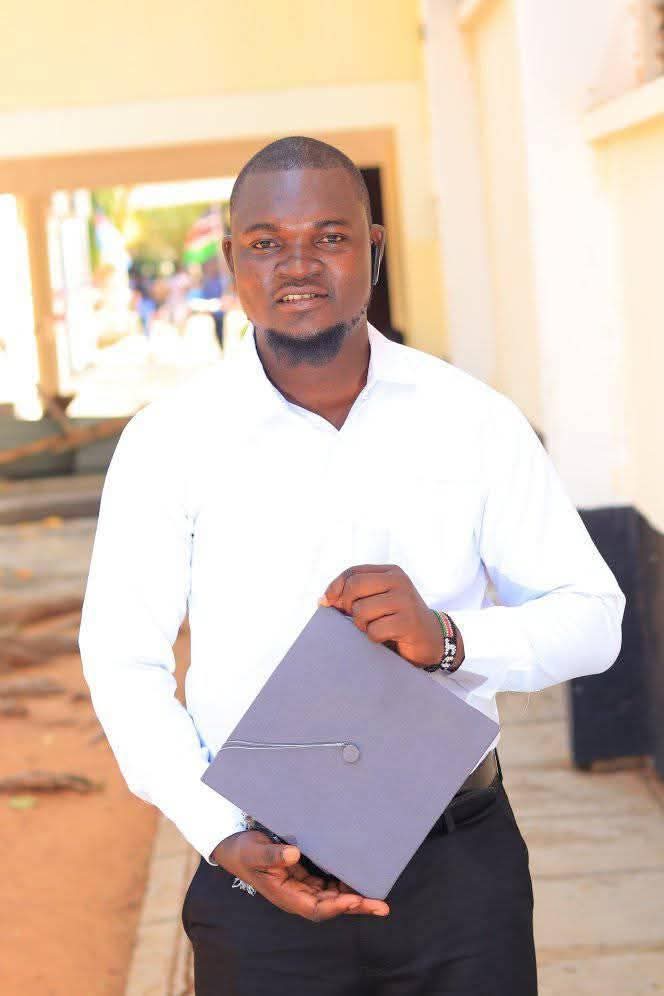
The country’s top cop appears to be sending a message: what happened to Albert Ojwang was not just a lapse in procedure—it was a national embarrassment that demands heads to roll.
Yet for many Kenyans, the gesture, though rare and symbolic, only scratches the surface of what increasingly looks like a coordinated attempt to silence a young man, and bury the truth alongside him.
Albert Ojwang was arrested quietly in Homabay with police citing vague allegations of “false publication.” To this day, the public remains in the dark about which post—if any—led to his arrest. What followed next has stunned even seasoned human rights defenders: instead of being processed in Migori, Ojwang was driven over 300 kilometers to the heart of Nairobi and placed in a cell at Central Police Station. There, he was never booked into the Occurrence Book. No formal record of his presence exists. It was as if the system had swallowed him whole.
And then came the death.
Police claimed he died after hitting his head against a cell wall—self-inflicted trauma, they said, delivered in a moment of psychological breakdown. But witnesses who later saw his body described horrific injuries far beyond the scope of a single head wound. Swellings. Contusions. Signs of struggle. Signs of something much darker.
In the hours after his death, silence enveloped the station. No CCTV footage was released. No other detainee was presented to corroborate the police narrative. The officers on duty offered no clarity—until now, when they were unceremoniously suspended under the Inspector General’s directive.
For Ojwang’s family and those who knew him, the suspensions offer little comfort. His friends remember him as a curious, outspoken figure, committed to accountability and unafraid to speak truth to power. It is this very courage, some fear, that made him a target.
What remains now is a lingering question burning through the national conscience: if this could happen to Albert Ojwang—with no trace, no booking, no explanation—who else has it already happened to? And who might be next?
As outrage grows and the hashtag #JusticeForOjwang spreads like wildfire online, the police force finds itself cornered. The public no longer wants apologies or procedures. It wants justice. It wants answers. And it wants them now.
Because in Kenya, the walls of a police cell are not supposed to be death sentences.
And Albert Ojwang should still be alive.
