



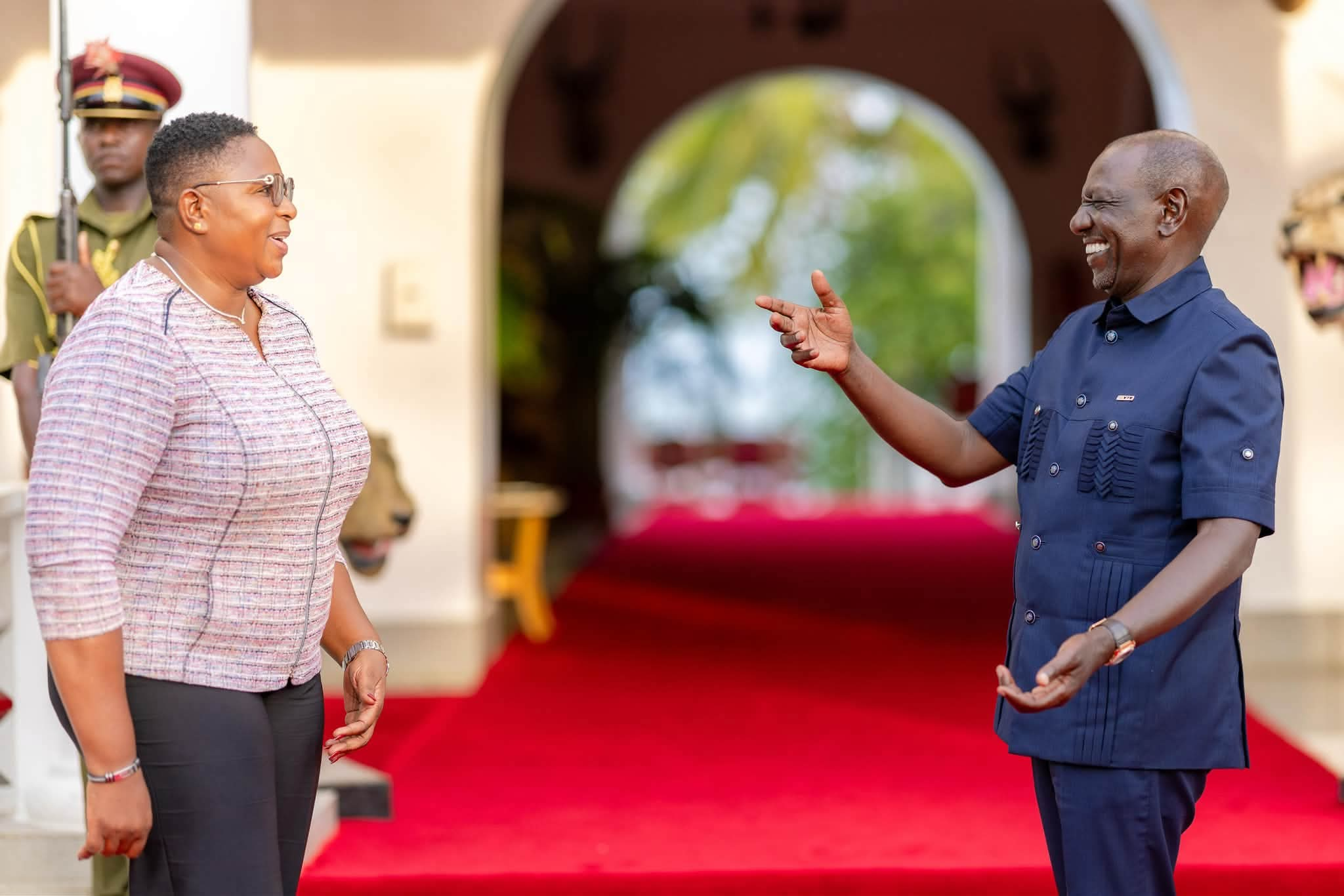
Barely three months after embracing Kalonzo Musyoka’s Wiper, former Cabinet Secretary Aisha Jumwa has returned to William Ruto’s UDA, completing another remarkable political U-turn and raising questions about loyalty, political ambition and the shifting price of political alliances.
Former Cabinet Secretary Aisha Jumwa has once again found her way back to President William Ruto’s political camp, barely three months after dramatically abandoning the ruling United Democratic Alliance (UDA) for Kalonzo Musyoka’s Wiper Patriotic Front.
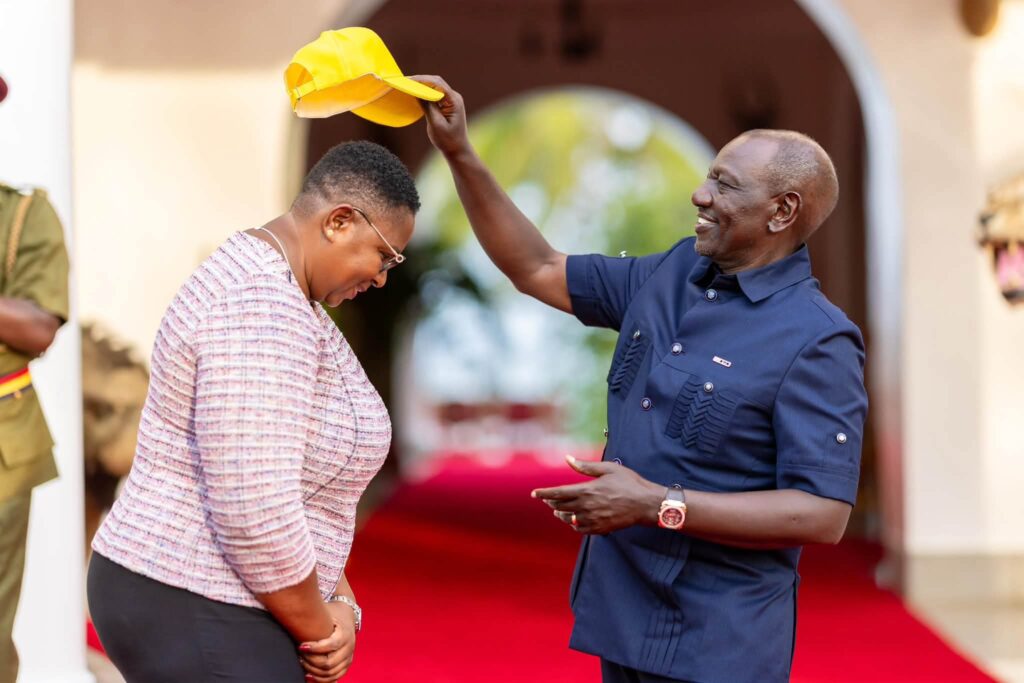
The latest political reunion, which took place in Mombasa in the presence of President Ruto, marks another dramatic twist in Jumwa’s political journey, leaving Kenyans questioning whether her political loyalties are permanent commitments or temporary arrangements dictated by changing circumstances.
📊 Channel 15 News Opinion Poll
Her journey through Kenya’s political landscape has been anything but linear.
Jumwa first rose to prominence under the Orange Democratic Movement (ODM), where she served as Kilifi Woman Representative from 2013 before becoming Malindi MP in 2017.
Once a close ally of the late Raila Odinga, she eventually abandoned the ODM political family and embraced then Deputy President Ruto, a decision that culminated in her expulsion from the party in 2019 over alleged disloyalty.
She subsequently became one of Ruto’s influential Coast mobilisers during the 2022 presidential campaigns and was rewarded with a Cabinet appointment after Kenya Kwanza formed government.

But the political marriage would later encounter turbulence.
In December 2025, Jumwa announced her intention to move to Amason Kingi’s Pamoja African Alliance (PAA), before continuing under the UDA political arrangement.
The biggest fallout came on July 30, 2026, when she publicly announced her departure from UDA, accusing the party of frustrating her ambitions to become Kilifi governor in 2027.
She complained of humiliation, political exclusion and unfulfilled expectations, despite her contribution to establishing and popularising UDA along the Coast.
Kalonzo quickly seized the opportunity.
On August 14, 2026, he welcomed Jumwa into Wiper, promising her a senior leadership position and backing her gubernatorial ambitions. Jumwa, in turn, declared support for the opposition’s one-term movement and promised to mobilise Coast voters away from UDA.
Yet, barely three months later, she is back in Ruto’s camp.
Who is playing whom?
Jumwa’s return raises questions about Kalonzo’s ability to retain influential political recruits, but it also puts Ruto’s political establishment under scrutiny.
What happened to the grievances that drove her out of UDA? Have they been addressed, or have political calculations simply changed?

For Ruto, the reunion offers another experienced Coast mobiliser. For Kalonzo, it represents a setback to Wiper’s recruitment ambitions.
For Jumwa, the central question remains whether her latest political home will provide the platform she needs to pursue Kilifi’s governorship.
Is she a prodigal political wife finally back home, or is Kenya witnessing another chapter in the transactional politics of party hopping?
As 2027 approaches, her political carousel offers a revealing glimpse into a political landscape where yesterday’s enemies can become today’s allies.
