


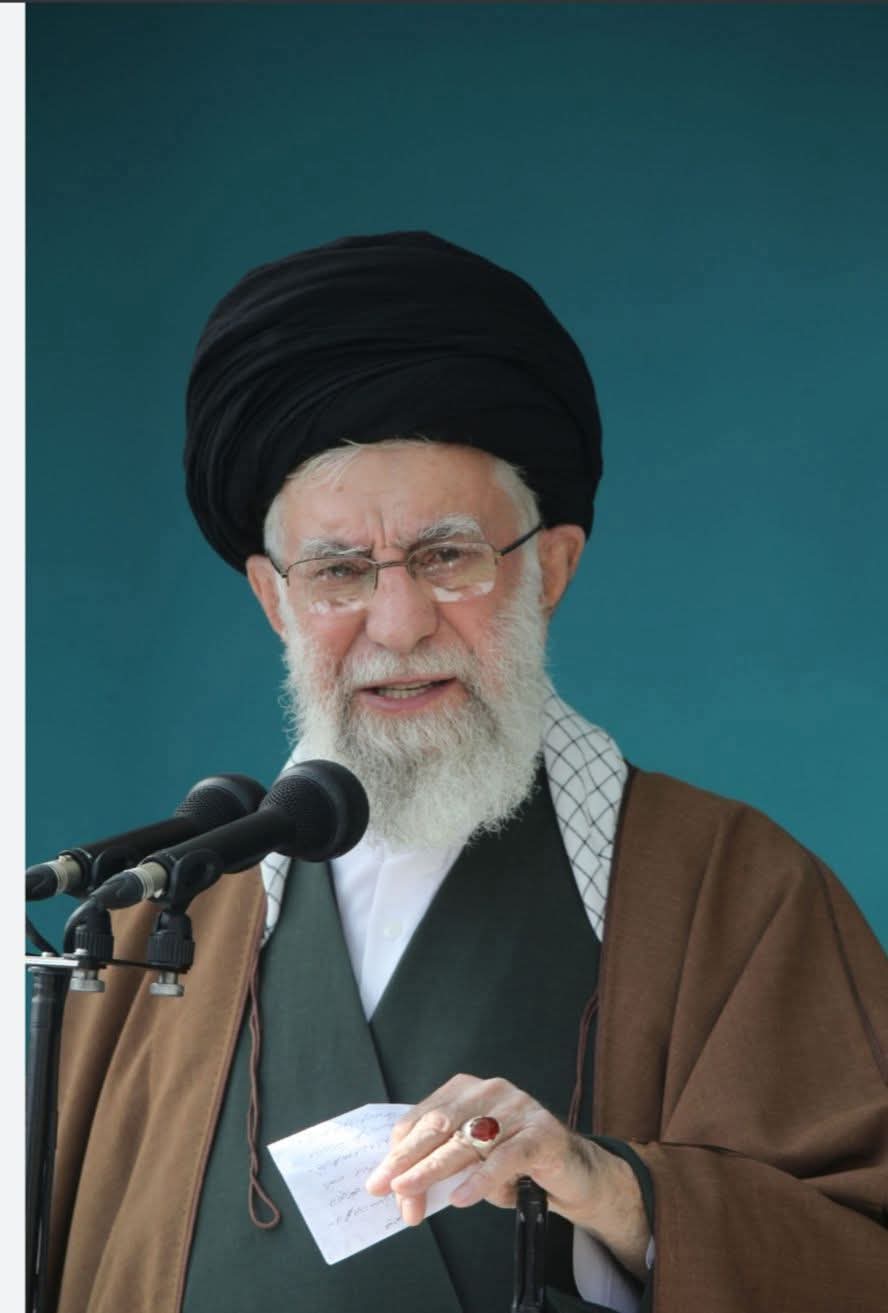
Tensions in the Middle East escalated dramatically on Saturday, 28 February 2026, after senior Israeli officials declared that Ali Khamenei has been killed in coordinated military strikes carried out by the United States and Israel across Iran.
If confirmed, the death of the long-serving Iranian Supreme Leader would mark one of the most consequential geopolitical events in decades.
According to Israeli sources cited by Reuters, Khamenei’s compound in Tehran was heavily bombed during what Israeli authorities described as a large-scale, pre-emptive operation targeting Iran’s nuclear and military infrastructure.
A senior Israeli defence official claimed that Khamenei’s body had been recovered from the rubble, asserting that the strike successfully eliminated the Islamic Republic’s highest authority. However, as of publication, Iranian authorities have not independently confirmed his death, and conflicting statements continue to emerge from Tehran.
Israeli Prime Minister Benjamin Netanyahu said there were “many signs” that Khamenei was no longer alive, framing the operation as a decisive move to neutralise what Israel considers an existential threat. The strikes reportedly targeted senior Revolutionary Guard commanders and strategic facilities believed to be linked to Iran’s nuclear programme.
The United States, under President Donald Trump, defended the joint offensive as necessary to curb Iran’s regional ambitions and military capabilities. In a public address, Trump warned Tehran against further escalation and called on Iranian security forces to stand down, even as he appealed directly to the Iranian public.
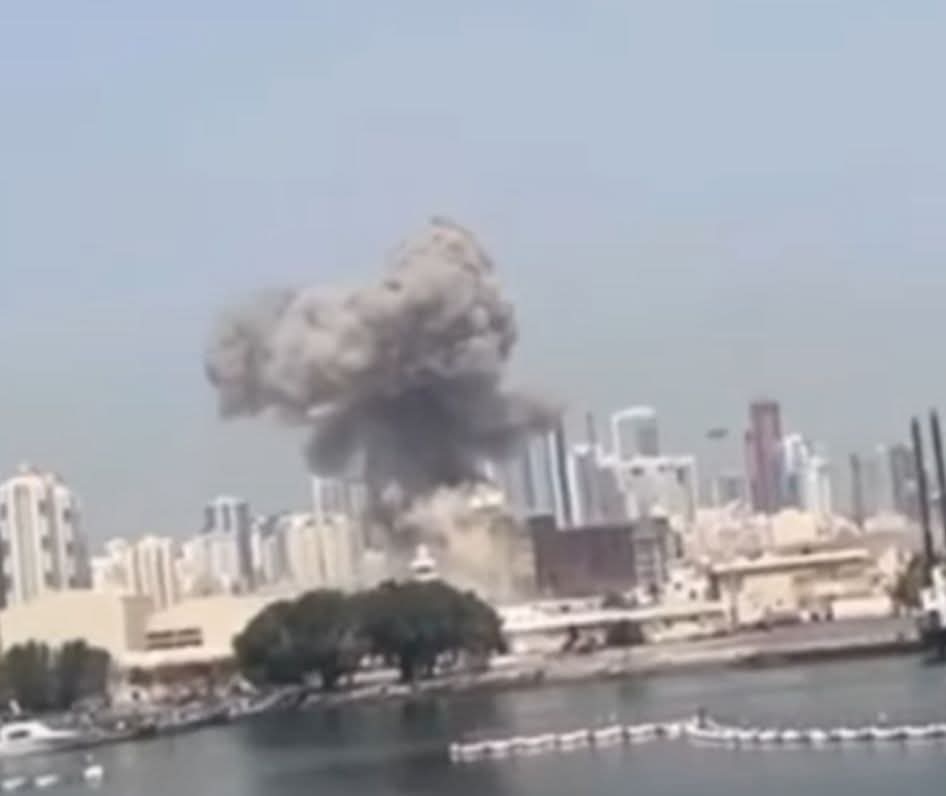
Iran has vowed a “decisive response,” launching retaliatory missile and drone attacks toward Israeli territory and U.S. military installations in the region. Air-defence systems were activated in multiple locations across the Middle East, raising fears that the confrontation could spiral into a broader regional war involving allied militias and neighbouring states.
Khamenei, who had ruled Iran since 1989, was the country’s ultimate political and religious authority, overseeing the armed forces, judiciary and key state institutions. His reported death would create an immediate leadership vacuum within Iran’s theocratic structure and could trigger internal power struggles among senior clerics and the
Revolutionary Guard.
The international community has reacted with alarm, with emergency diplomatic consultations underway at the United Nations amid concerns over regional stability and global energy markets. Oil prices have shown early signs of volatility as investors weigh the potential impact of prolonged conflict in one of the world’s most strategic regions.
While Israeli officials insist that Khamenei has been killed, independent verification from Tehran remains pending, and the situation continues to evolve rapidly. The coming hours are expected to determine whether this moment represents a decisive turning point in Middle East politics or the beginning of a far wider and more dangerous confrontation.
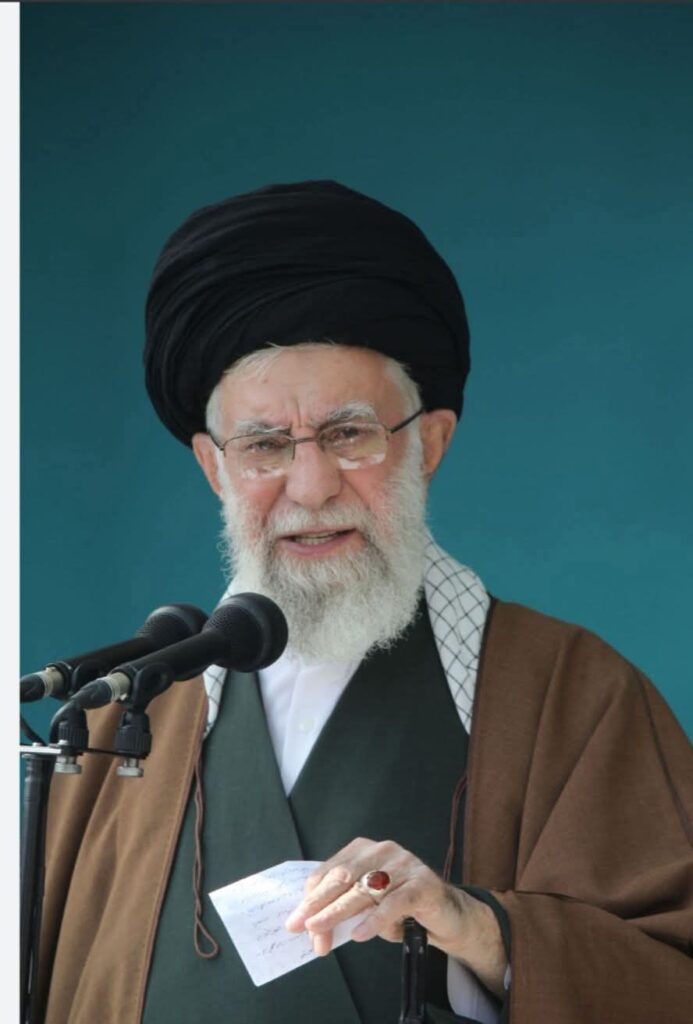
Despite Israeli claims that Ali Khamenei has been killed, Iranian state media has remained largely defiant, neither issuing formal confirmation nor broadcasting images that would verify his status. Instead, senior Iranian officials have vowed that any attack on the country’s leadership would be met with “unforgettable consequences.”
Security analysts warn that if Khamenei’s death is officially confirmed, Iran’s constitutional mechanism for succession would immediately come into play.
The Assembly of Experts would be tasked with appointing a new Supreme Leader — a process that could trigger intense internal competition among powerful clerical figures and the Islamic Revolutionary Guard Corps (IRGC). Such uncertainty inside Tehran could either weaken the regime temporarily or push hardliners to consolidate power even more aggressively.
Meanwhile, Israeli Prime Minister Benjamin Netanyahu has framed the operation as a historic turning point, arguing that removing Khamenei would dismantle what he called the “central architect of regional terror.” In Washington, President Donald Trump described the strikes as a decisive action to prevent what he termed an imminent threat tied to Iran’s nuclear ambitions.
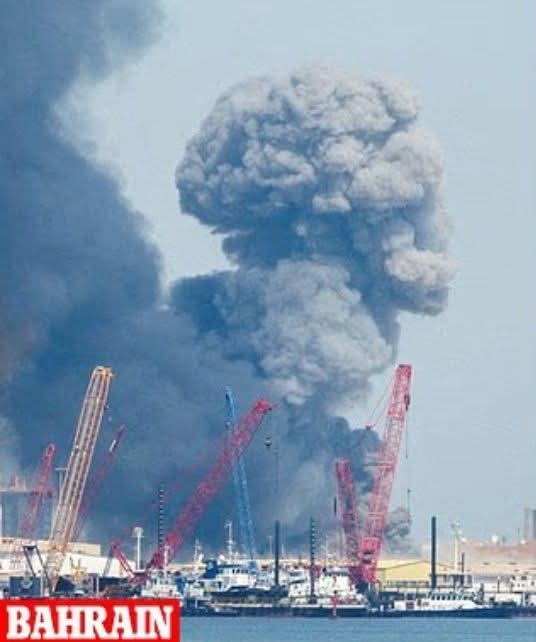
Across the region, tensions are at boiling point. Hezbollah in Lebanon has issued statements condemning the strikes, while Gulf states have heightened military alert levels. Oil markets have reacted nervously, with traders bracing for possible disruptions in the Strait of Hormuz — a key artery for global energy supplies.
For ordinary Iranians, the uncertainty is profound. Khamenei has been Iran’s most powerful figure since 1989, shaping its foreign policy, military doctrine and domestic governance for more than three decades. His reported killing would not only alter Iran’s internal political balance but could redefine power alignments across the Middle East.At this hour, the world waits for definitive confirmation from Tehran.
Whether this marks the collapse of a long-standing political era in Iran or the opening chapter of a broader regional war remains to be seen.This is a fast-moving story. Updates will follow as more verified information emerges.
