


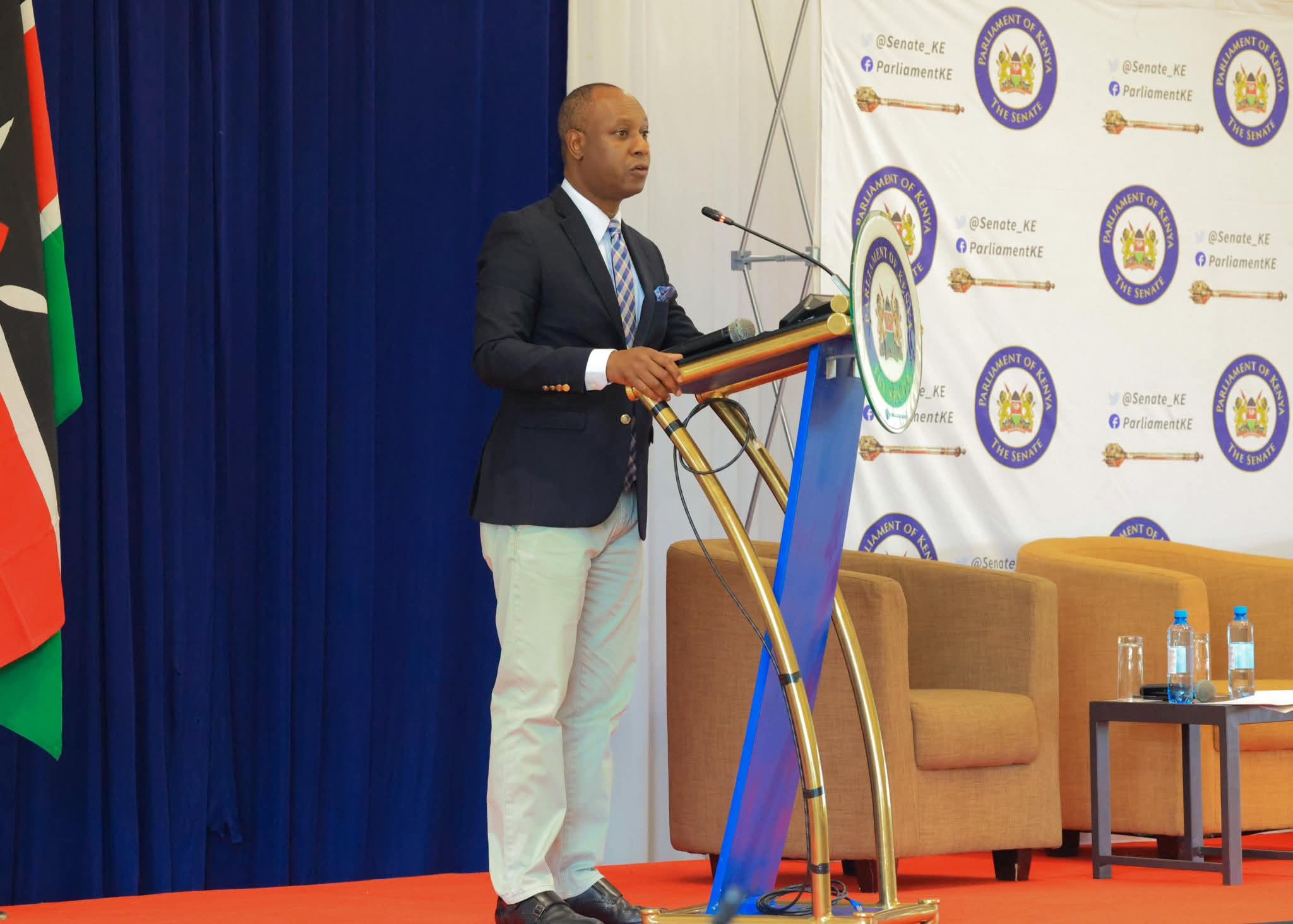
Livestock Principal Secretary Jonathan Mueke has called on the Senate to support critical policy and legislative reforms spearheaded by the Ministry of Agriculture, warning that gaps in coordination between national and county governments continue to undermine food security efforts.
Speaking during a Senate retreat in Naivasha, Mueke said the Ministry has prepared a series of legislative and policy proposals aimed at revitalizing the agricultural sector and boosting food production across the country.
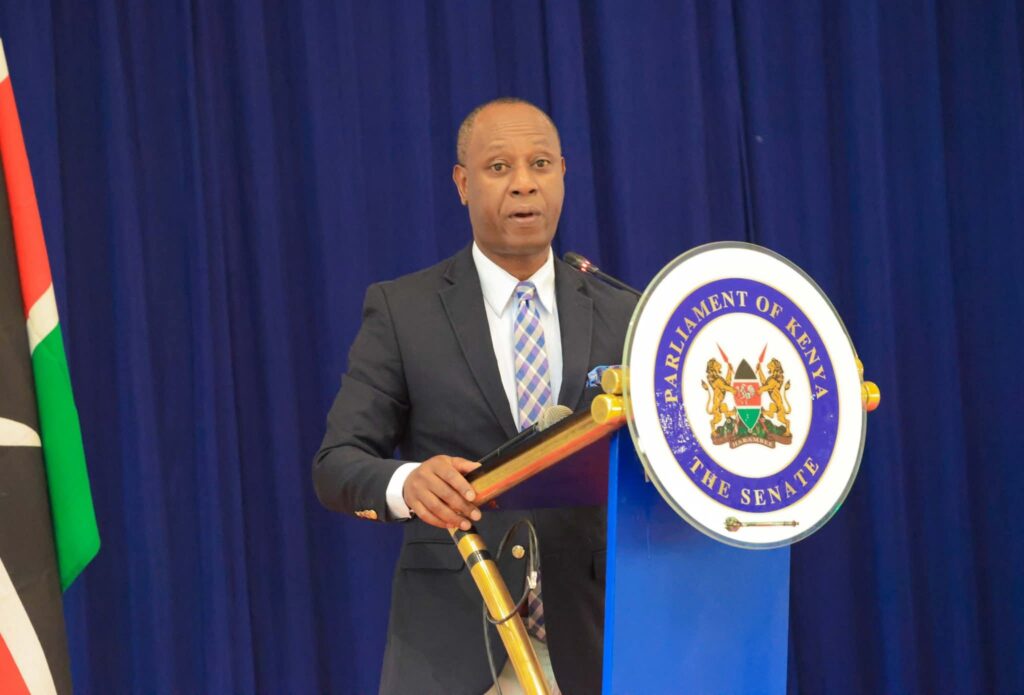
The PS was representing Agriculture Cabinet Secretary Mutahi Kagwe at the high-level meeting.
Push for 10% County Budget Allocation
Mueke urged Senators to ensure counties allocate at least 10 per cent of their annual budgets to agricultural services to enhance grassroots productivity and strengthen extension services.
However, he acknowledged that agricultural extension services remain weak due to poor coordination and ineffective liaison mechanisms between the two levels of government.
“Agriculture is a devolved function, but there is a serious disconnect in its implementation,” he said, noting that inadequate collaboration continues to stall progress.
To bridge the gap, the PS proposed the establishment of liaison offices in every ward to streamline coordination and improve delivery of agricultural programs. He revealed that the Ministry has already set aside funds to operationalize the offices once approved.
Key Bills in the Pipeline
Among the draft legislations expected to be tabled in Parliament are the Veterinary Services Bill and the Animal Products and Technology Bill, both designed to strengthen regulation, enhance livestock productivity, and improve value addition.
Senators Raise Concerns Over Implementation
Senate Agriculture Committee Chairperson David Wakoli criticized the national government for what he termed inadequate practical support to the agricultural sector, arguing that most interventions remain theoretical.
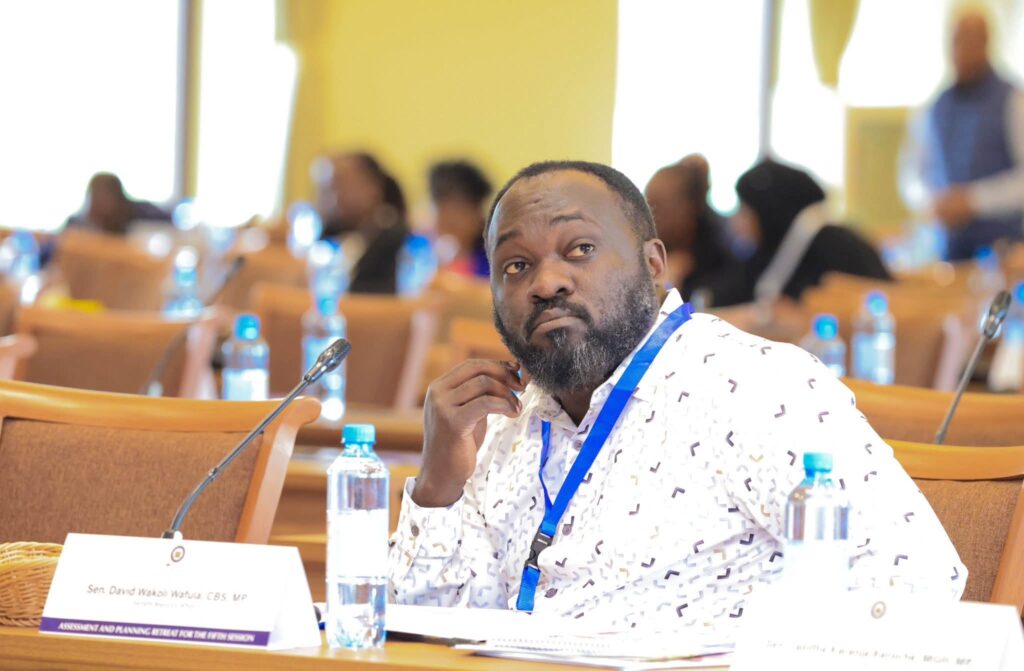
He pointed out that irrigation development has fallen short of expectations, stating that the number of dams constructed does not match pre-election pledges made by the President. Wakoli also cited fisheries and the blue economy as areas where government support has been insufficient.
“If you visit most fish landing sites, beach management committees have barely felt the impact of government policies,” Wakoli said.
Senator Catherine Mumma questioned the frequency of intergovernmental sectoral meetings and urged the national government to support counties without interfering with devolved agricultural functions. She also emphasized the need for counties to access quality farm inputs.
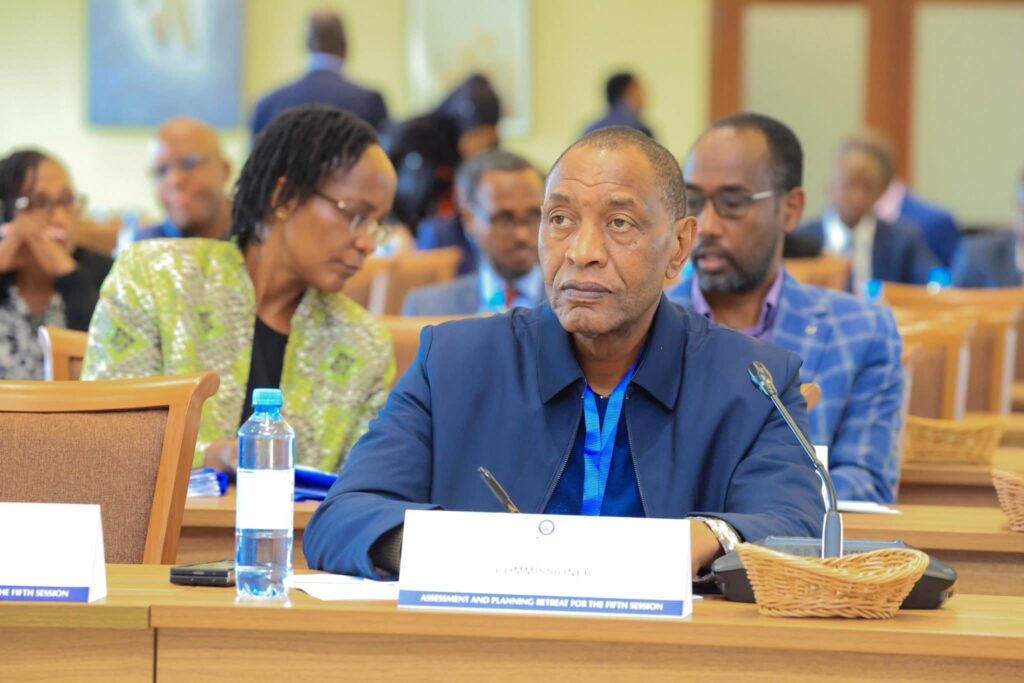
Senator Wahome Wamatangi stressed the importance of sound agricultural policies, noting that farmers continue to face low producer prices while importers appear protected, leaving local producers struggling financially.
Senator Joyce Korir proposed zero-rating animal feeds to lower production costs, while Senator Beatrice Ogola called for stronger regulatory oversight to ensure the safety and quality of animal feeds.
The discussions underscored growing concern among lawmakers over food security, policy implementation, and the need for stronger collaboration between national and county governments to safeguard Kenya’s agricultural future.
