


The death of Raila Amolo Odinga last year marked the end of an era in Kenya’s opposition politics—but for the Orange Democratic Movement (ODM), it also triggered a slow, painful unravelling whose consequences are now impossible to ignore. As the party navigates life after its founding figure, signs of drift, disunity, and declining political coherence have begun to define ODM’s present reality.
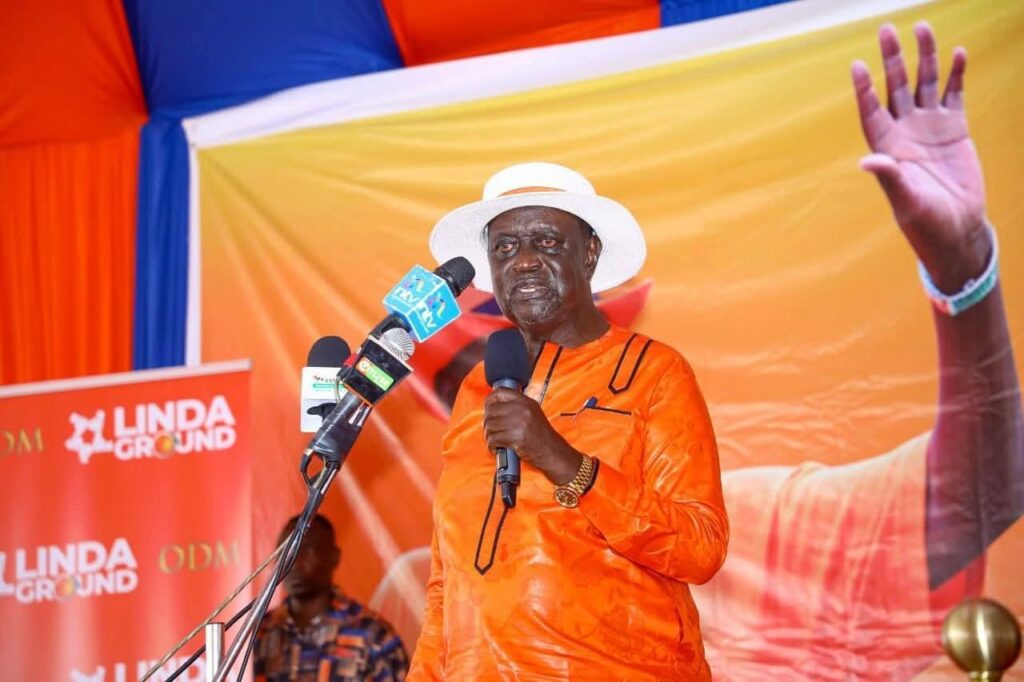
With Dr. Oburu Oginga Odinga stepping in to steer the party through the post-Raila transition, expectations were high that continuity of bloodline would offer continuity of vision. Instead, ODM has struggled to project authority, discipline, and ideological clarity—raising uncomfortable questions about whether the party was ever institutionally prepared for a future without Raila.
From early rallies in Nairobi, Busia, and Kibra to the looming delegates’ meeting in Kakamega, ODM’s internal cracks have played out in public view. Stuttering messaging, weak crowd control, and organisational lapses have fuelled criticism that the party is losing both its grip on supporters and its traditional role as a formidable opposition force.
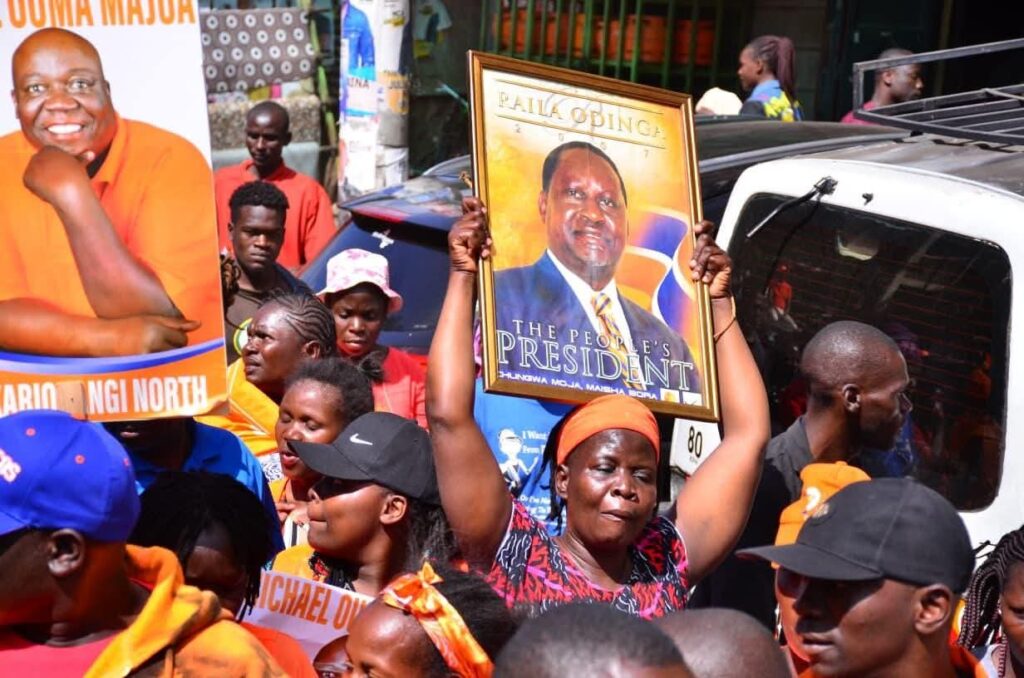
More damaging still has been Oburu Odinga’s attempt to pursue a pre-election understanding with President William Ruto—a move that critics say diluted ODM’s oppositional identity and quietly sidelined Raila Odinga’s 10-point reform agenda, once the party’s ideological anchor.
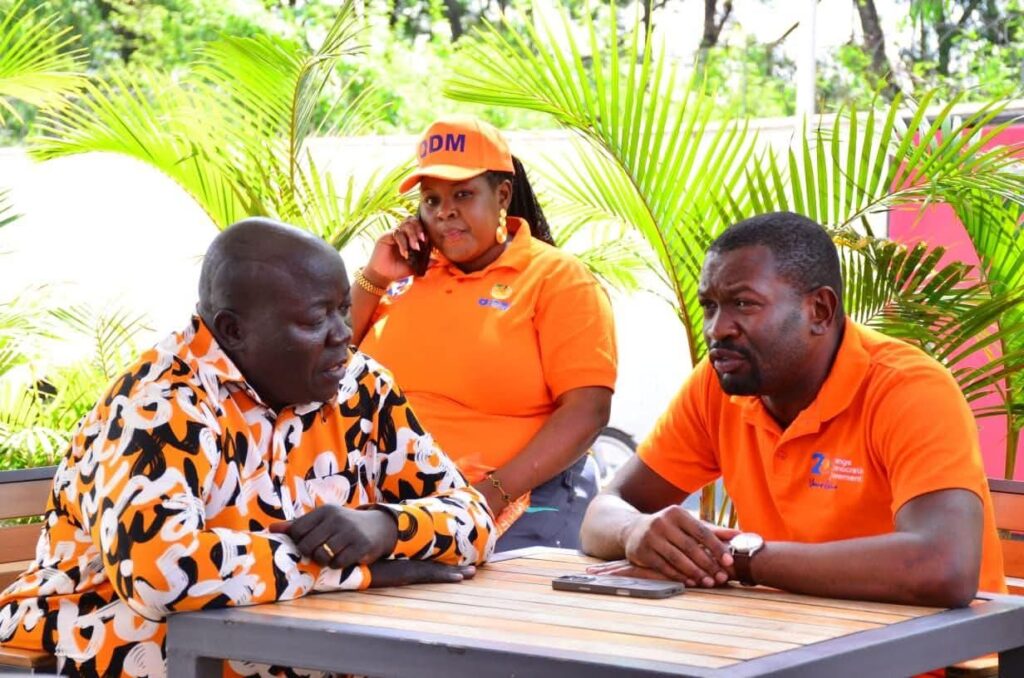
As senior figures including Winnie Odinga and Secretary General Edwin Sifuna keep their distance from key party activities, ODM now faces a defining moment: reinvent itself with urgency and clarity, or continue sliding into irrelevance under the weight of unresolved succession politics.
The question ODM supporters are increasingly asking—once unthinkable while Raila lived—is now unavoidable:
After Raila’s death, is ODM merely struggling, or is it steadily losing its reason for existence?
