



Wiper Party leader Kalonzo Musyoka has accused the State of targeting Kenyan businessman Benson Sande Ndeta in what he claims was an attempt to coerce him into abandoning his interest in the acquisition of the East African Portland Cement Company, after Ndeta had reportedly emerged victorious in the bidding process.
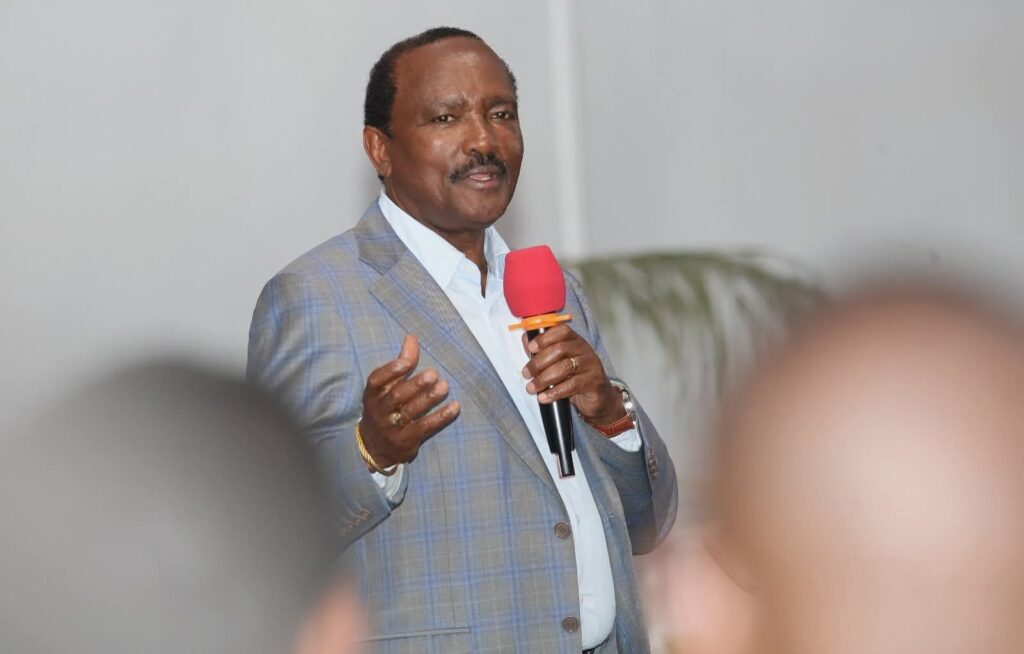
Speaking during a church service at Gospel Tabernacle Worship Centre in Nairobi, and later amplifying his remarks through a statement shared on his social media platforms, Kalonzo said the incident was emblematic of a government that has, in his words, “gone rogue” and abandoned constitutional principles such as public participation in the privatization of strategic state assets.
In the statement, Kalonzo invoked scripture to frame his criticism of the current leadership, quoting Hosea 8:4 — “They set up kings without my consent; they choose princes without my approval” — and Ezekiel 21:25–26, which speaks of the overthrow of illegitimate authority. He said the message delivered at the church “speaks directly to our moment as a nation.”
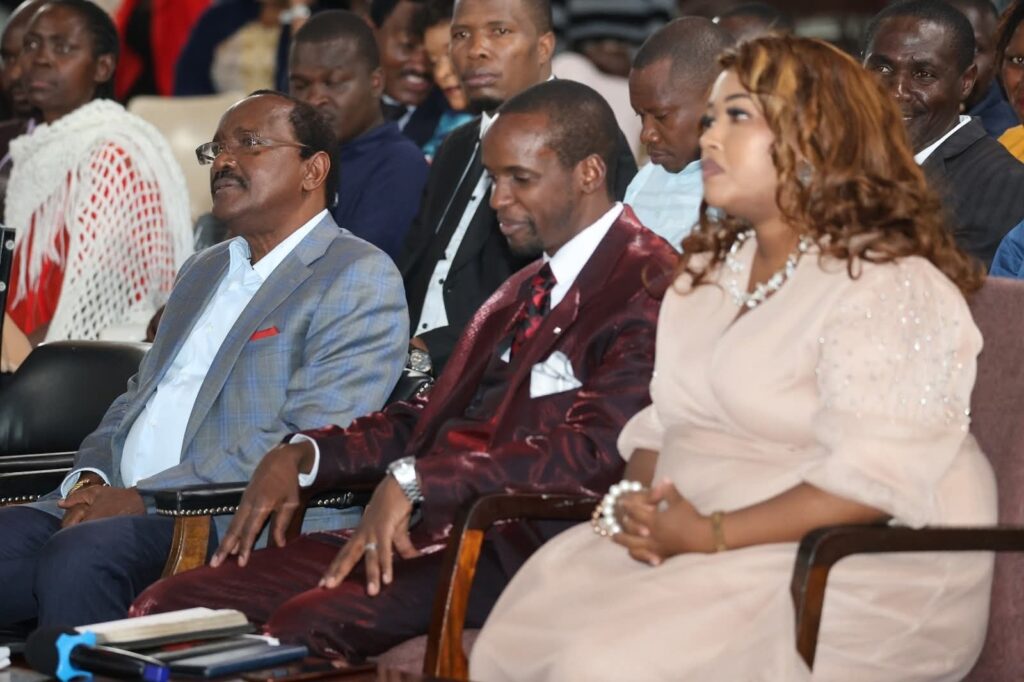
“In Kenya, we the people made a choice, but we are now living with the reality of leadership that is not God-chosen — leadership that lacks righteousness, humility, and moral authority,” Kalonzo said in the statement.
The Wiper leader further condemned what he described as growing attempts by the State to regulate or interfere with religious institutions, warning against using the existence of cults as justification to control mainstream churches.
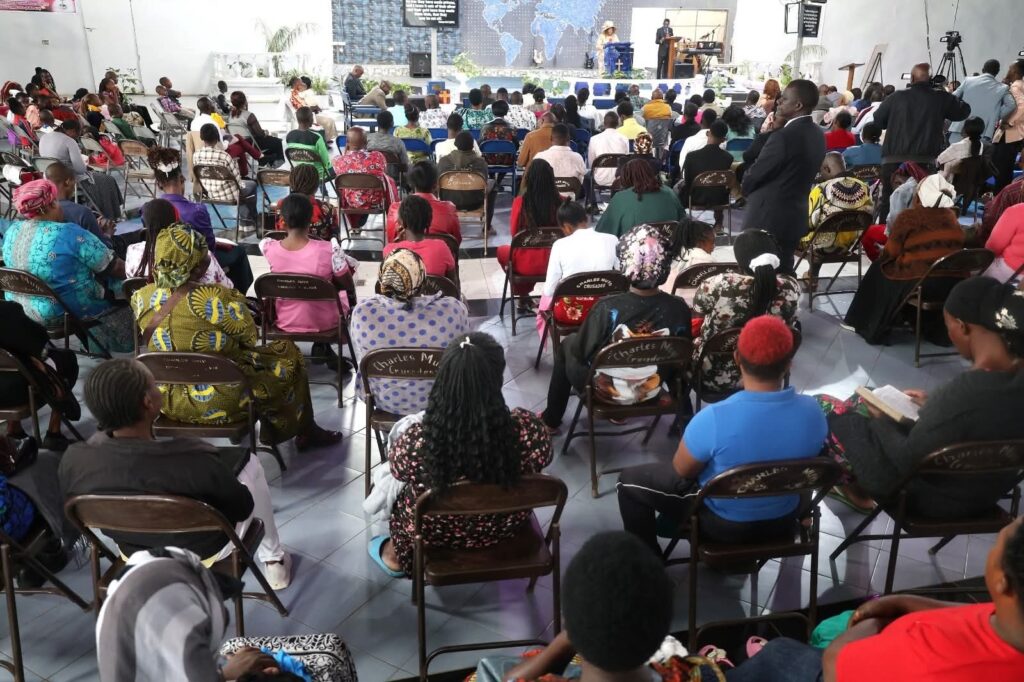
“I condemn, in the strongest terms, any attempt to regulate or control the church. You cannot use the existence of a cult as an excuse to tax, police, or interfere with the true church of Christ,” he stated, adding that the failures of religious impostors should not be weaponised against genuine faith.
Kalonzo also took aim at what he termed political hypocrisy, accusing leaders who sought legitimacy through prayer and faith during campaigns of now undermining the same institutions after ascending to power.
“Faith cannot be a tool for political ascent and then treated as a threat once power is secured,” he said.
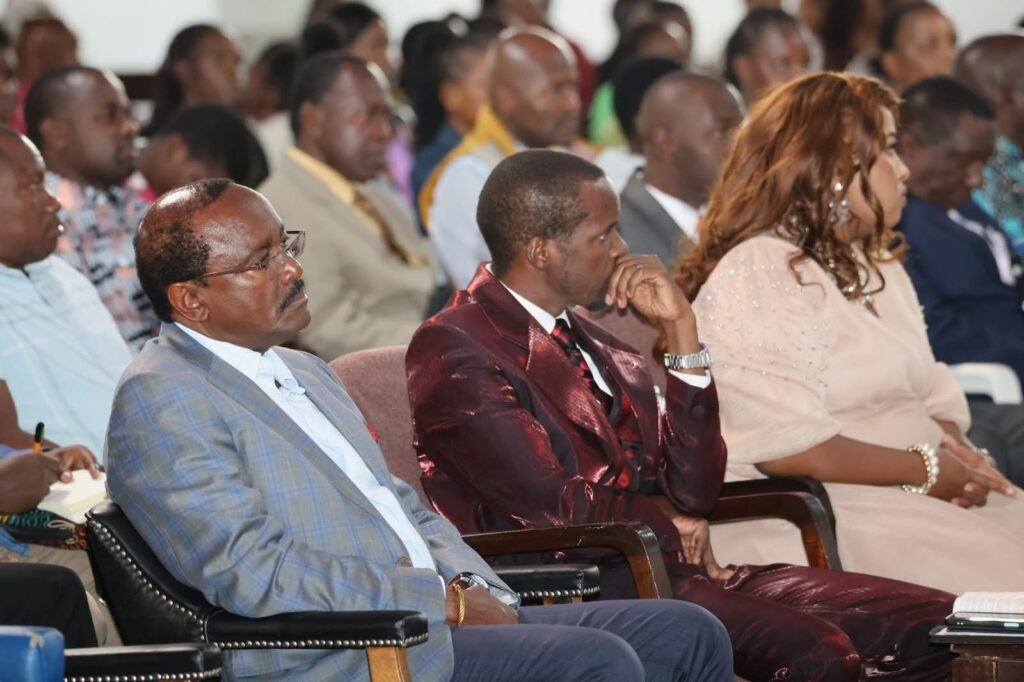
Linking the religious concerns to the Portland Cement saga, Kalonzo argued that a pattern was emerging in which authority was being exercised without moral or popular legitimacy, whether in governance, economic decision-making, or the treatment of investors.
He warned that nations that disregard divine and constitutional order inevitably face instability, calling for repentance, truth, and justice, and asserting that authority exercised without God’s approval — and without the people’s consent — will ultimately be overturned.
