


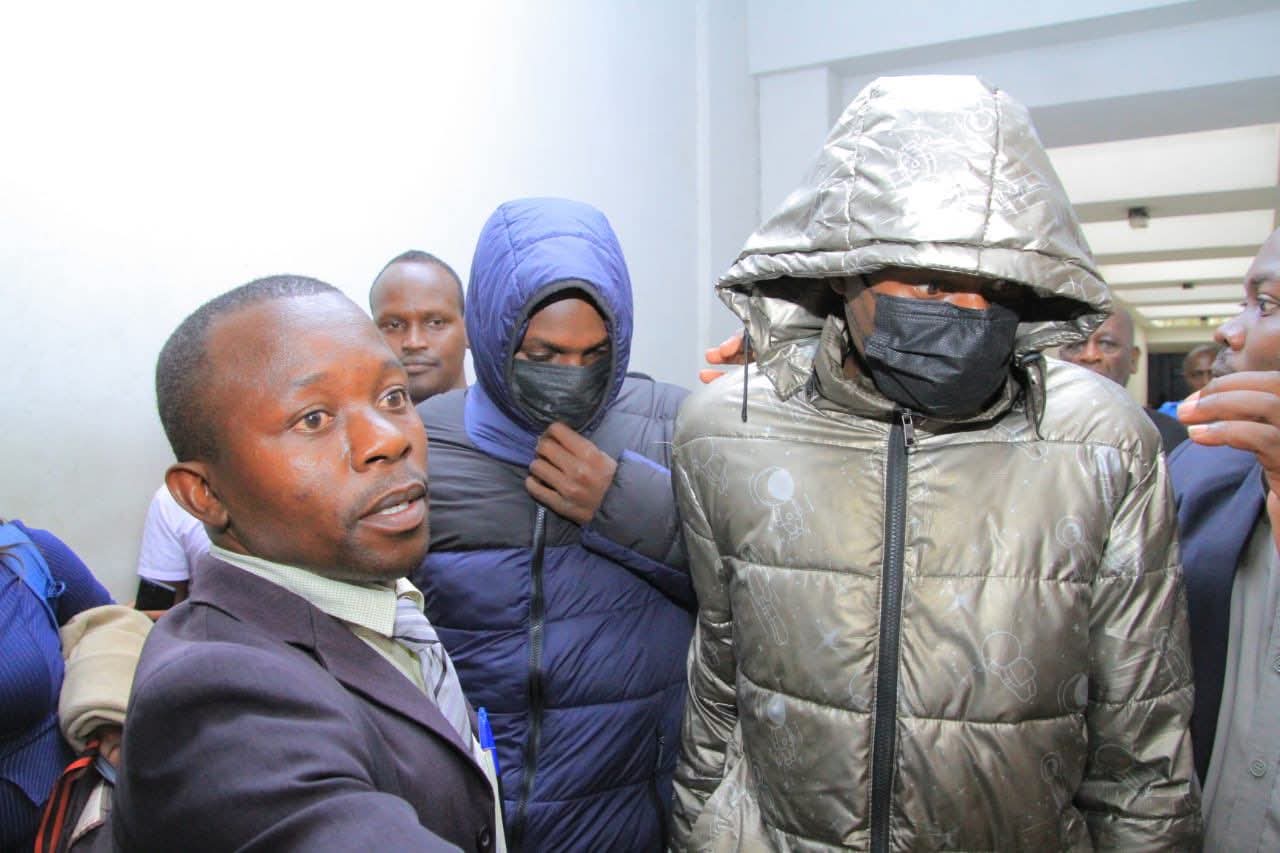
Two police officers accused of shooting a masked street vendor during anti-police brutality protests in Nairobi’s Central Business District have been arraigned at the Milimani Law Courts—just hours after their lawyer dramatically withdrew from the case, citing a wave of threats allegedly linked to the country’s increasingly assertive Gen Z movement.
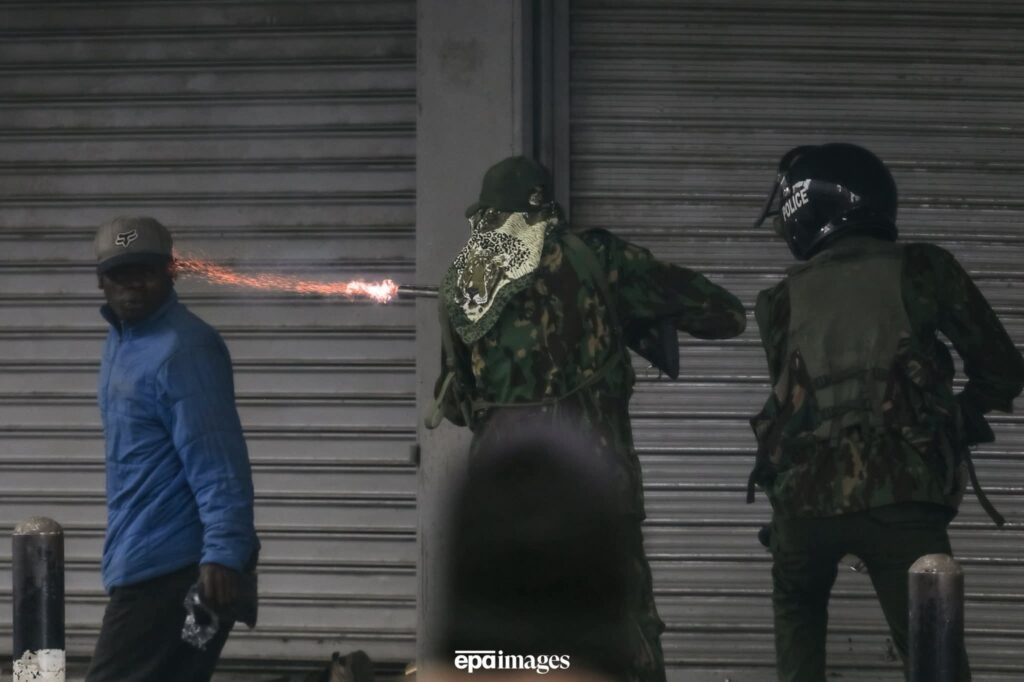
Police Constables Masinde Barasa and Duncan Kiprono are at the center of public uproar after a viral video showed them allegedly assaulting Boniface Kariuki, a street vendor selling face masks along Moi Avenue during Tuesday’s demonstrations. The disturbing footage has since reignited nationwide calls for police accountability, especially among tech-savvy youth leading a growing online rights movement.
Felix Keaton, the lawyer who had been representing the officers, confirmed on Thursday to Channel 15 News that he had stepped down from the high-profile case. He cited serious concerns for his safety, stating he had received more than 1,000 threatening calls and messages, many of them warning him to abandon the case or face dire consequences.
“In the interest of my personal safety and that of my family, I have taken the painful but necessary decision to cease all legal representation in this matter,” Keaton said in a statement. He further revealed that threats had extended to his family members, who had also received disturbing messages.
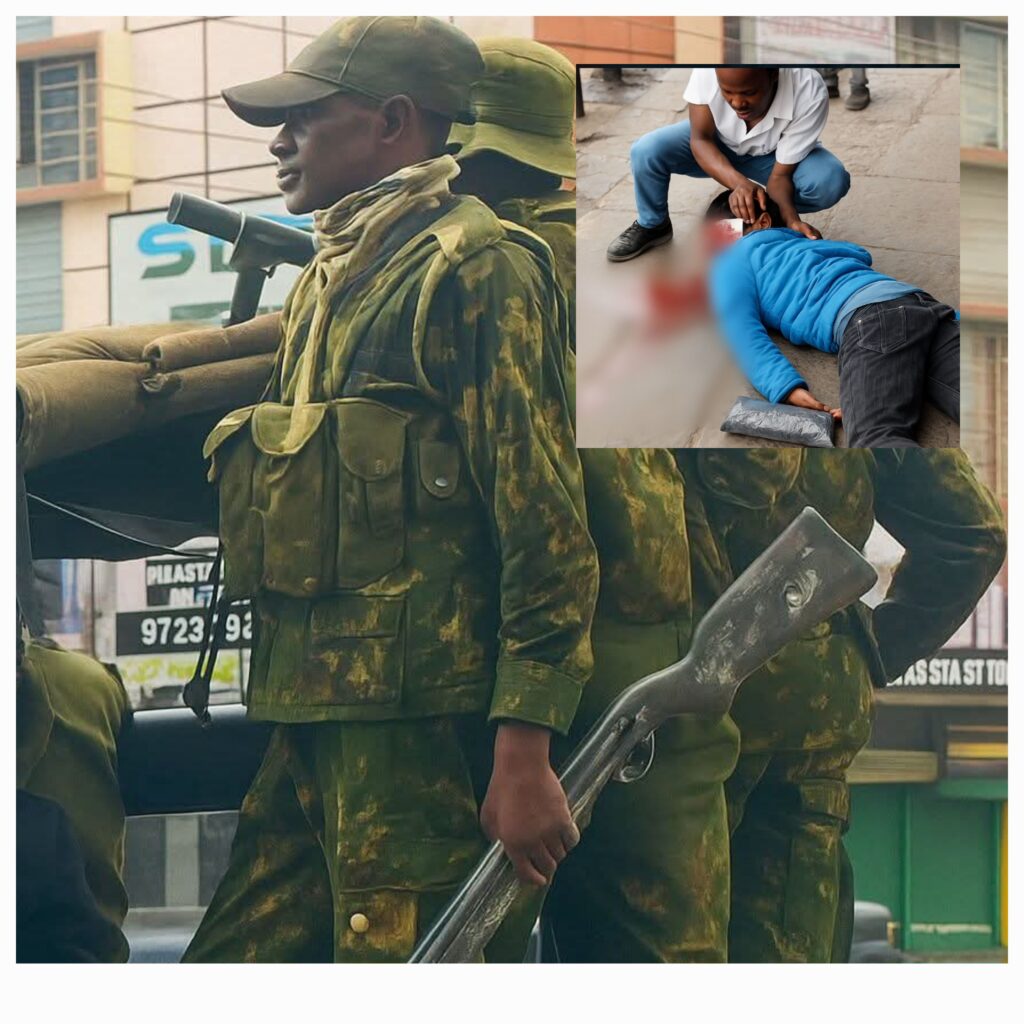
The case has become a flashpoint in the broader conversation about law enforcement and human rights in Kenya. The arraignment of Barasa and Kiprono on charges of assault and attempted murder marks a critical moment in the country’s ongoing struggle with police brutality and impunity.
The officers are scheduled to appear in court again later today for further directions, including on bail and formal charges.
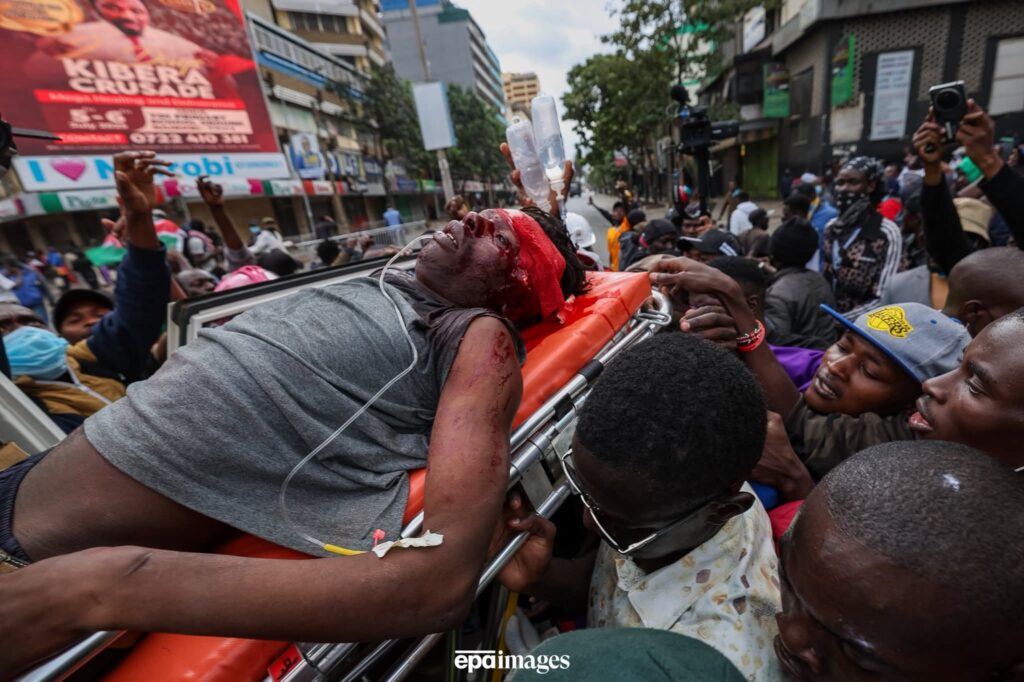
As Gen Z activists continue to dominate both online and offline spaces with calls for justice and reform, this case may mark a turning point in how Kenya’s legal system responds to police misconduct—and how far digital activism can go in shaping national accountability.
