


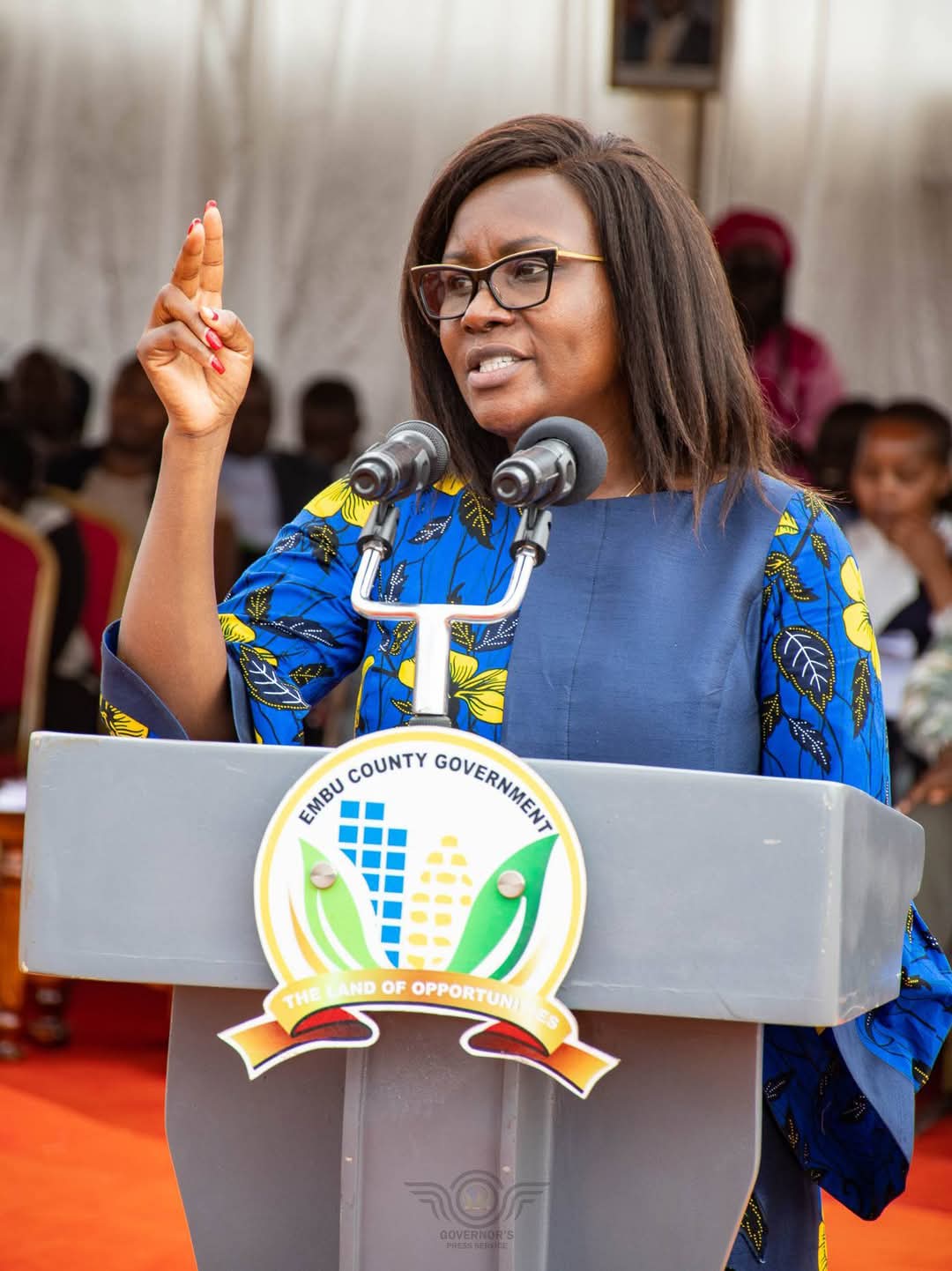
A fiery political showdown is unfolding in Embu after Governor Cecily Mbarire, who also serves as the UDA National Chairperson, publicly lashed out at unnamed senior figures within the Kenya Kwanza administration for allegedly plotting to unseat her through covert political maneuvers.
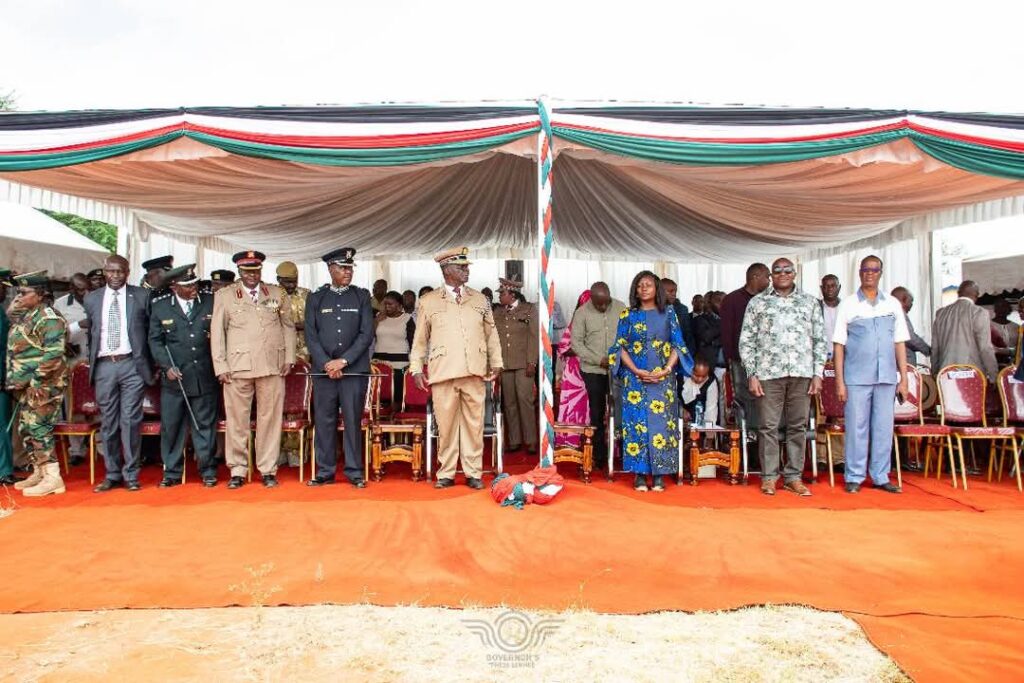
While addressing Madaraka Day celebrations at Makarima Primary School in Embu, Mbarire launched into a scathing, impassioned speech that left no doubt she was under siege — not from the opposition, but from within the ruling coalition itself. In front of a stunned audience, she accused powerful Kenya Kwanza operatives of conducting secret night meetings in Embu with the intention of destabilizing her leadership and undermining her authority on the ground.
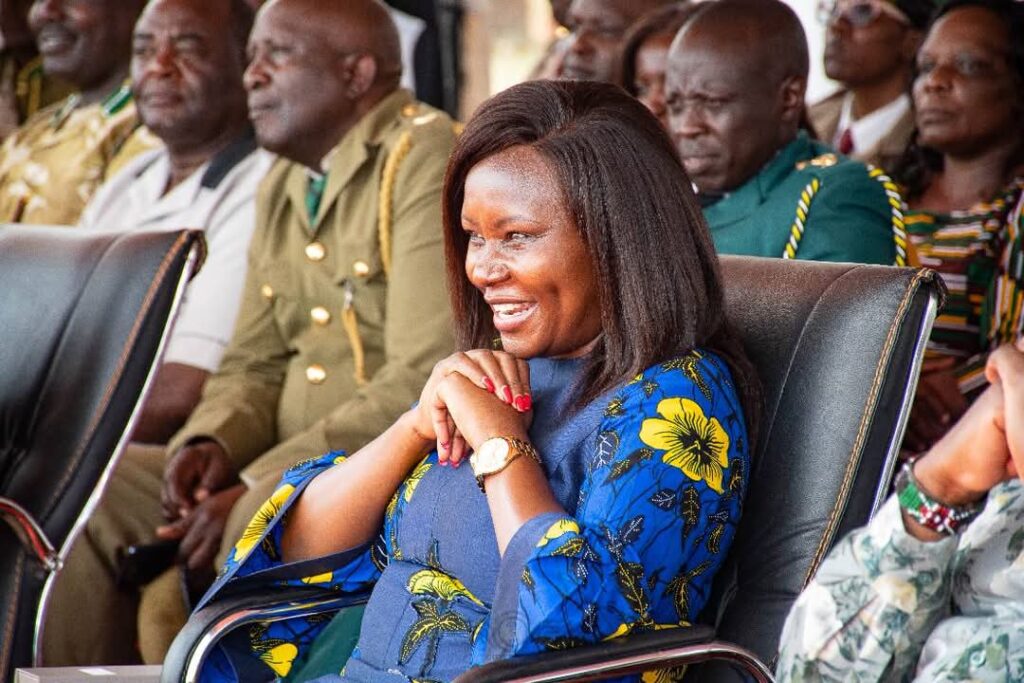
“It is unfair, completely unjust, for people I’ve stood with — people I’ve defended through storms — to sneak into my county, hold meetings behind my back, and pretend they understand Embu politics better than we do,” she said, her voice rising with emotion.
In what was interpreted as a political warning shot, Mbarire declared that she would no longer remain silent in the face of betrayal. She claimed that while she had been the shield of the Kenya Kwanza government in Mt. Kenya East, enduring public backlash and pushing back against a surging opposition, others within the coalition had been plotting her downfall in the shadows.
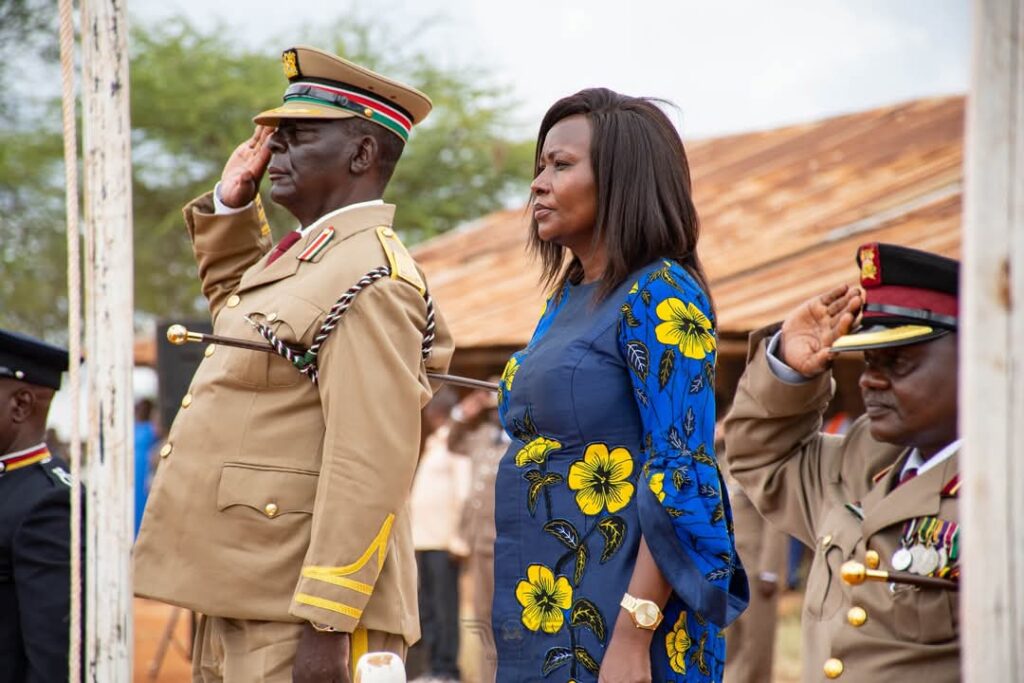
“Niwambie hivi, mimi ni wa before. Nimekuwa kwa siasa, msiniletee! Otherwise I will talk. You know yourself. Dare come to Embu again, tutaona mtu kwa mtu!” she warned, sending tremors through the local political scene.
The governor did not name names, but her statement was heavy with implication. The growing perception is that a clique of national leaders, emboldened by proximity to State House, are attempting to redraw the region’s political roadmap — and remove those they see as inconvenient or too independent.
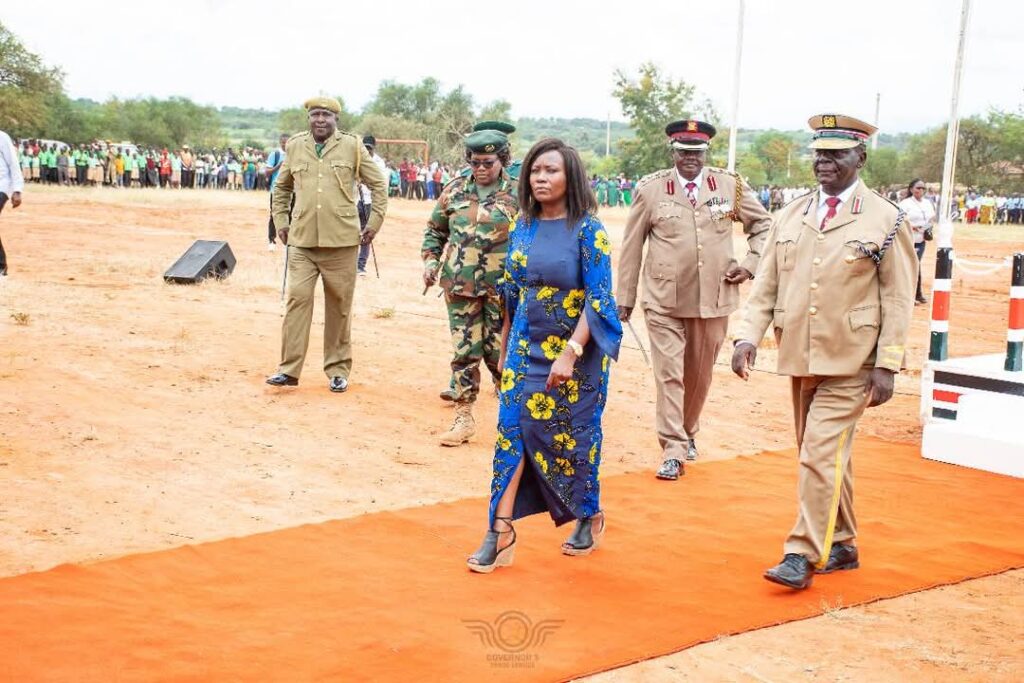
While speculation swirls about the identities of those involved, what is increasingly clear is that the once-unified Kenya Kwanza front is beginning to fracture. Mbarire’s remarks suggest a deep sense of betrayal and a readiness to fight back, even if it means exposing allies-turned-foes.
Her declaration has also sparked wider concern: Is the UDA chairperson being slowly edged out of the ruling coalition’s power core? Could this mark the beginning of a regional rebellion by Mt. Kenya East leaders tired of Nairobi’s dominance in local political affairs?
As the dust settles from her explosive speech, one thing remains certain — Cecily Mbarire has drawn a clear line in the sand. Those who cross it may soon find themselves named, shamed, and politically confronted head-on.
