


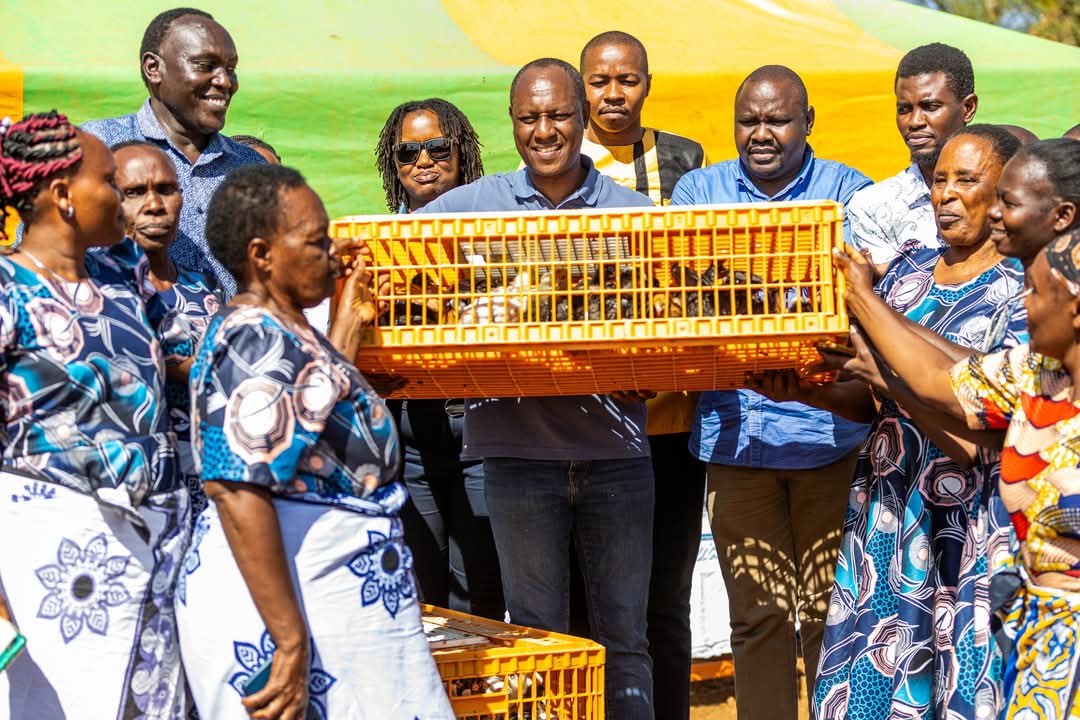
In a bold move to boost economic empowerment and food security in Kitui County, Livestock Principal Secretary Jonathan Mueke has spearheaded a project that provided 1,600 chicks to 11 self-help groups engaged in poultry farming. The initiative, which spans Kitui West, Kitui East, Kitui South, and Mwingi West, is set to transform the livelihoods of hundreds of families relying on small-scale poultry farming.
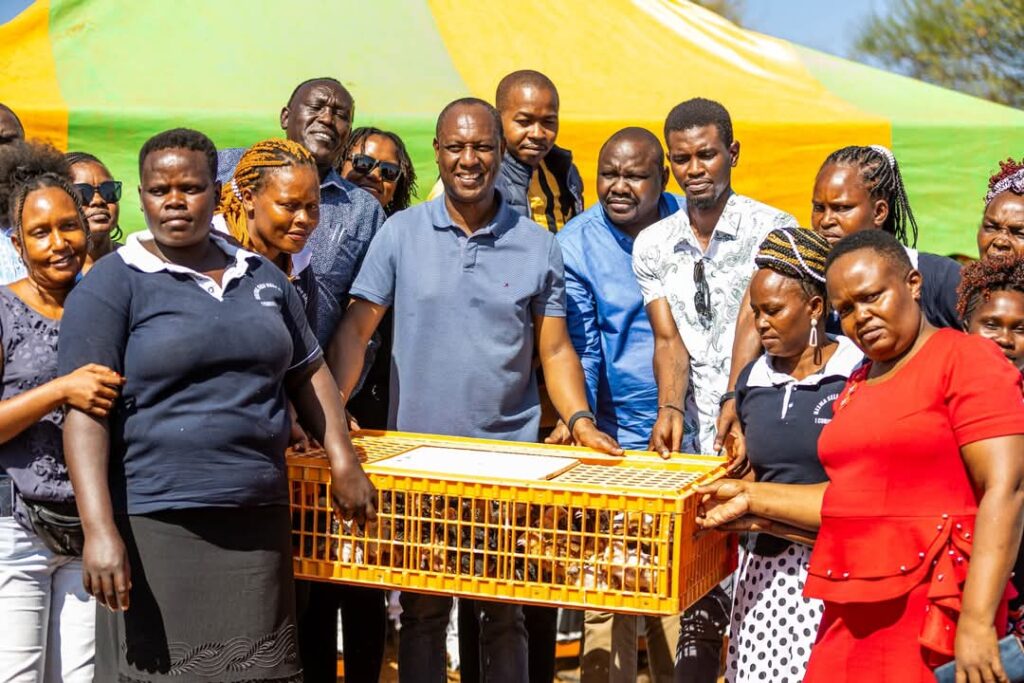
The self-help groups, predominantly led by women, have been at the forefront of community-driven agribusiness. By pooling resources and expertise, they have created thriving poultry ventures. Now, with the government’s intervention through PS Mueke’s leadership, their capacity is set to expand significantly.
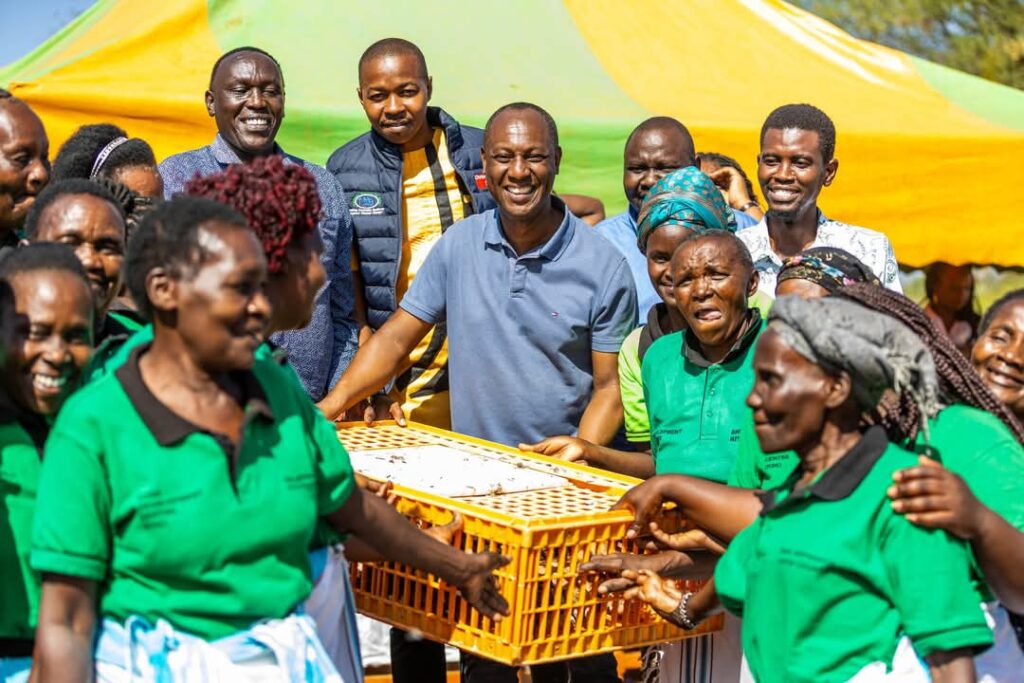
Beyond Rearing—Securing Market Access
Speaking at the event, PS Mueke emphasized that the government’s role does not stop at providing chicks. The next crucial step is ensuring these farmers have access to sustainable markets, allowing them to maximize their profits and grow their businesses.

“This is not just about giving chicks; it’s about building an entire value chain. We want these farmers to access profitable markets, ensuring that their hard work translates into financial growth,” PS Mueke stated.

To make this vision a reality, the government is exploring partnerships with large-scale buyers, hotels, supermarkets, and export markets to create a reliable and well-structured poultry market for Kitui farmers.
A United Front for Economic Growth
The launch of this initiative was attended by key county leaders, including Hon. Paul Maluki, MCA for Kithumula/Kwa Mutonga Ward, who expressed strong support for the program. Other influential leaders from Kitui County were also present, underscoring the local administration’s commitment to backing farmers.

With this initiative, PS Jonathan Mueke is positioning Kitui as a poultry farming powerhouse. The empowerment of self-help groups, particularly those led by women, is expected to reduce poverty, boost food production, and create employment within the county.
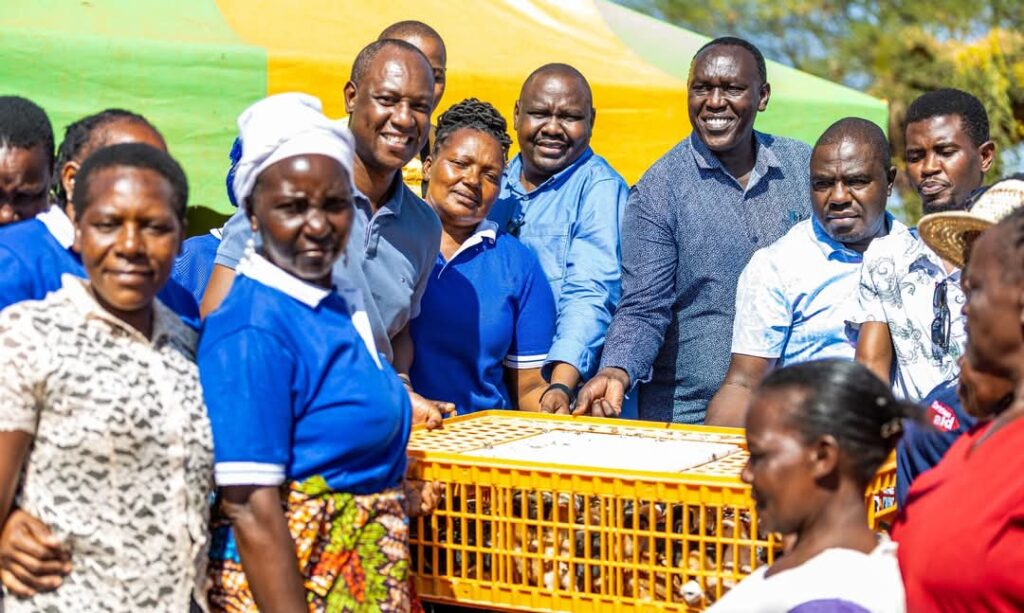
As the project unfolds, all eyes will be on how these groups leverage the opportunity to scale up their businesses. If successfully implemented, this model could become a blueprint for other counties looking to strengthen small-scale poultry farming and uplift local communities.
