


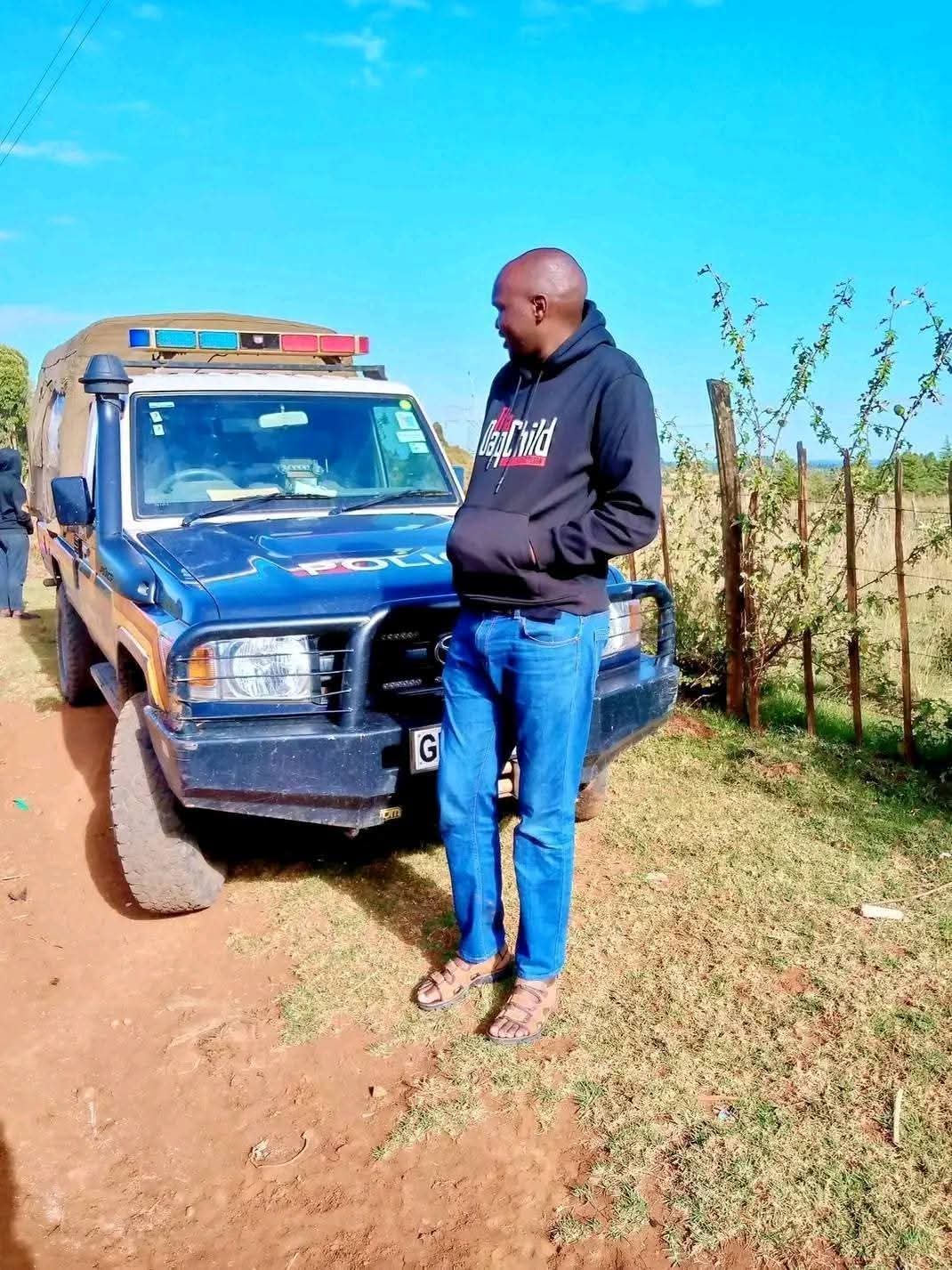
In a country where tales of opulence often emerge from the corridors of politics and business, a new narrative has captured the public’s imagination: that of “General” Chepkulei, a young man rumored to be the first Kenyan civilian to own a police station. His lifestyle, marked by extravagance and high-profile associations, has become the subject of both admiration and scrutiny.

A Life of Luxury
Chepkulei’s life reads like a script from a blockbuster movie. He is frequently seen cruising in a fleet of high-end vehicles, often accompanied by highly trained bodyguards.

His social circles include celebrities and influential personalities, and his social media profiles are adorned with images from luxurious vacations and extravagant parties. One particularly sensational story claims that he once spent over Ksh. 300,000 in a single night at a high-end nightclub in Eldoret.

The Alleged Police Station Ownership
The most astonishing aspect of Chepkulei’s story is the allegation that he owns a police station. In Kenya, police stations are state-owned entities under the National Police Service (NPS), established by the Constitution to maintain law and order.
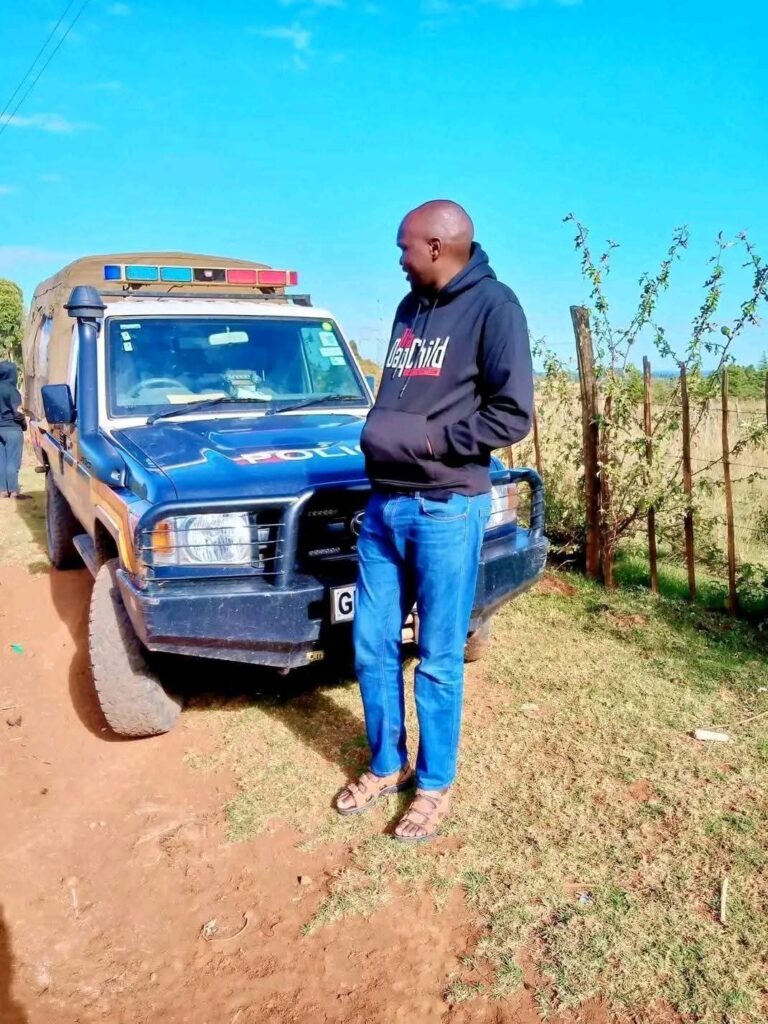
The NPS operates under the command of the Inspector General, with the Kenya Police Service and the Administration Police Service each headed by a Deputy Inspector General. The idea of a private individual owning a police station is unprecedented and, if true, raises numerous legal and ethical questions.

Public Reaction and Speculation
The rumors surrounding Chepkulei have sparked widespread debate. Some members of the public express admiration for his apparent success and lifestyle, while others question the legitimacy of his wealth and the veracity of the claims about his alleged ownership of a police station.

Discussions on social media platforms are rife with speculation, with many users humorously commenting that owning a police station seems to be a more lucrative venture than previously thought.
Authorities’ Stance
As of now, there has been no official confirmation or denial from the National Police Service regarding Chepkulei’s alleged ownership of a police station. The NPS has been undergoing significant changes, with recent appointments and designations aimed at enhancing its operational efficiency.

For instance, in October 2024, Inspector General of Police Douglas Kanja designated 10 new police stations and posts across the country to bolster security infrastructure. However, none of these designations involved private ownership.

The story of “General” Chepkulei blurs the lines between myth and reality, highlighting the fascination with wealth and power in contemporary Kenyan society. Whether the tales of his lavish lifestyle and alleged police station ownership are factual or exaggerated, they underscore the need for transparency and accountability in both public and private sectors. As the public awaits clarification, Chepkulei’s story serves as a reminder of the allure and pitfalls of unchecked opulence.
