



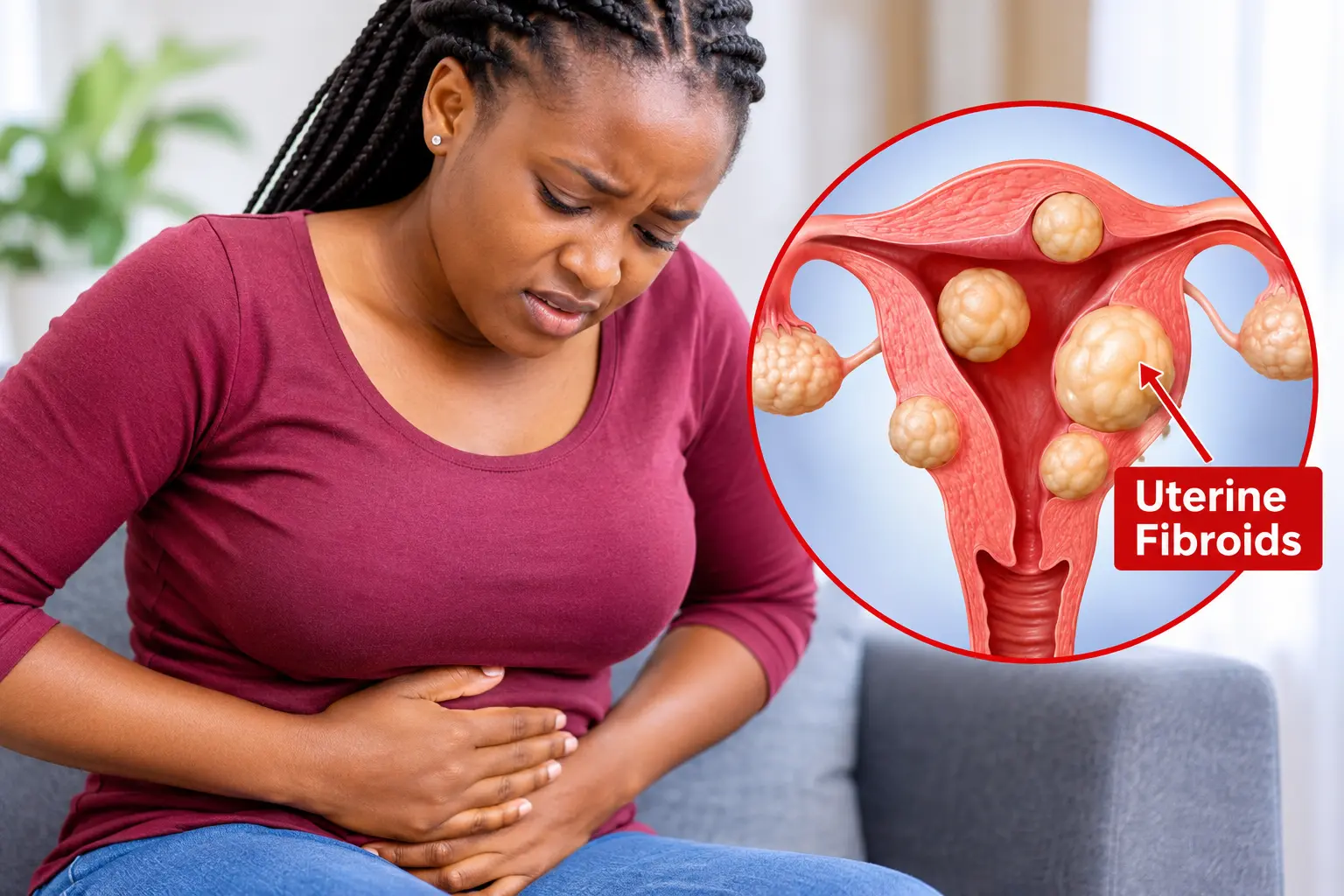
Women who postpone childbirth or go through their reproductive years without a pregnancy may face a higher risk of developing uterine fibroids, with scientific research identifying reproductive history, age and hormonal exposure among factors associated with the condition.
Uterine fibroids, medically known as leiomyomas, are non-cancerous growths that develop in or around the uterus. They are among the most common gynaecological conditions affecting women of reproductive age, yet many women live with them without knowing they have the condition.
A review of scientific evidence published in the International Journal of Gynecology & Obstetrics examined the epidemiology and development of uterine fibroids, identifying reproductive history as one of the factors associated with the likelihood of developing the condition.
📊 Channel 15 News Opinion Poll
The review found that women who had never carried a pregnancy beyond 20 weeks had a substantially higher risk of fibroids compared with women who had experienced at least one such pregnancy.
It also identified an inverse relationship between the number of pregnancies and fibroid risk, suggesting that women with multiple pregnancies tend to have a lower likelihood of developing the condition.
However, researchers caution that this association does not establish that delaying childbirth directly causes fibroids. The relationship is influenced by several biological and environmental factors, and the precise causes of the condition remain incompletely understood.
Why Pregnancy May Influence Fibroid Risk
Medical researchers believe reproductive hormones, particularly oestrogen and progesterone, play an important role in the development and growth of uterine fibroids.
According to the United States National Institute of Child Health and Human Development (NICHD), fibroids commonly develop during a woman’s childbearing years and may shrink after menopause as hormone levels decline.
Pregnancy brings significant changes to the uterus, including periods of altered blood supply and hormonal activity. Scientists have proposed that changes occurring during and after pregnancy may help reduce the development or growth of some fibroids.
The NICHD identifies having no history of pregnancy among the factors associated with increased fibroid risk, while research suggests that the risk decreases as the number of pregnancies increases.
Age is another important consideration. Fibroids become more common as women progress through their reproductive years, although they can occur at different stages of life.
African Women Face An Important Health Concern
The condition also raises concerns about women’s reproductive health in African populations.
Research has consistently documented a higher burden of uterine fibroids among Black women in studies conducted in the United States. They tend to develop the condition at younger ages and are more likely to experience larger or multiple fibroids and more severe symptoms.
The American College of Obstetricians and Gynecologists (ACOG) identifies fibroids as more common among Black women, noting that they can develop earlier and grow more quickly.
Although findings from American populations should not automatically be treated as representative of all African women, the evidence highlights the importance of understanding fibroids and improving access to gynaecological care.
A 2024 clinical review published in the Journal of the American Medical Association (JAMA) estimated that between 40 and 89 per cent of premenopausal women may develop fibroids during their lifetime, depending on the population studied and the method used to detect them.
The wide range reflects differences in age, population characteristics and whether researchers rely on symptoms or medical imaging to identify the condition.
Symptoms Women Should Not Ignore
Although some women with fibroids experience no symptoms, others develop complications that can interfere with their daily lives, reproductive health and overall wellbeing.
Common warning signs include:
- Heavy or prolonged menstrual bleeding.
- Persistent pain in the pelvis or lower abdomen.
- An enlarged abdomen or a feeling of pressure.
- Frequent urination or difficulty emptying the bladder.
- Lower back pain and painful sexual intercourse.
- Difficulty becoming pregnant in some cases.
Heavy menstrual bleeding can also lead to iron-deficiency anaemia, leaving affected women with persistent fatigue, weakness and dizziness.
According to the JAMA clinical review, pelvic ultrasound is the first-line imaging examination commonly used to identify fibroids and establish their number, size and location.
Early Diagnosis Can Help Protect Reproductive Health
Medical experts emphasise the importance of seeking medical assessment when unusual menstrual bleeding, persistent pelvic pain or other suspected symptoms develop.
Treatment depends on the size, number and location of the fibroids, the severity of symptoms and whether a woman wishes to have children in the future.
Available options include medication to control symptoms, procedures to reduce the blood supply to fibroids and surgery to remove the growths while preserving the uterus.
A myomectomy, for instance, removes fibroids while leaving the uterus in place, making it an option for some women who wish to pursue future pregnancies.
A hysterectomy, which involves removing the uterus, is a definitive treatment but permanently ends the possibility of carrying a pregnancy.
Importantly, researchers have not established a reliable way to prevent fibroids, and women should not feel pressured to have children early as a means of avoiding the condition.
The emerging scientific evidence instead underscores the need for greater awareness, timely diagnosis and informed reproductive health decisions.
For women experiencing persistent menstrual abnormalities or pelvic discomfort, seeking medical advice rather than dismissing the symptoms as normal menstrual changes could make an important difference.
