


The death of a pope is a monumental moment for the global Catholic Church, triggering sacred rituals and centuries-old traditions that guide the Church through mourning and the selection of a new spiritual leader.
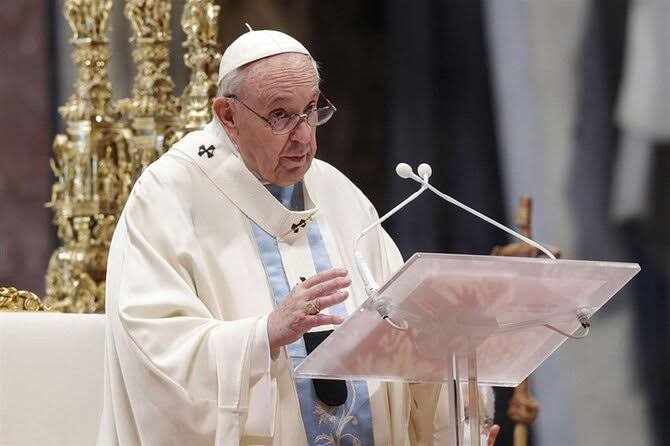
Having previously worked for three years with the Catholic radio station Radio Thome 88.1 FM, our Chief Editor Erastus Maleve takes us through the detailed process that follows the passing of a pope.
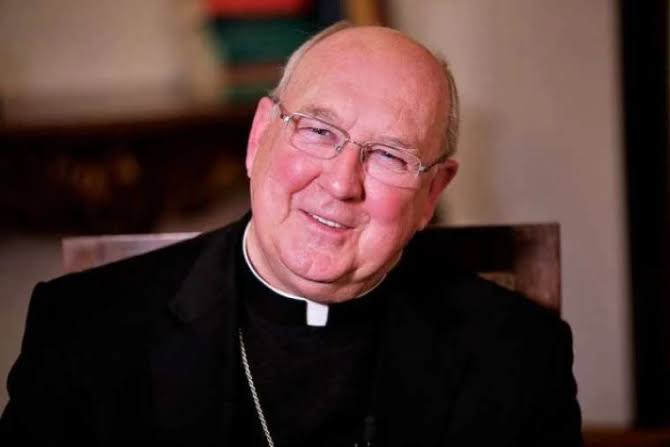
The first step is the confirmation of death. The pope’s death is officially confirmed by the Camerlengo (Chamberlain of the Holy Roman Church), who traditionally calls out the pope’s baptismal name three times. Once there is no response, the death is officially acknowledged and a death certificate is issued.
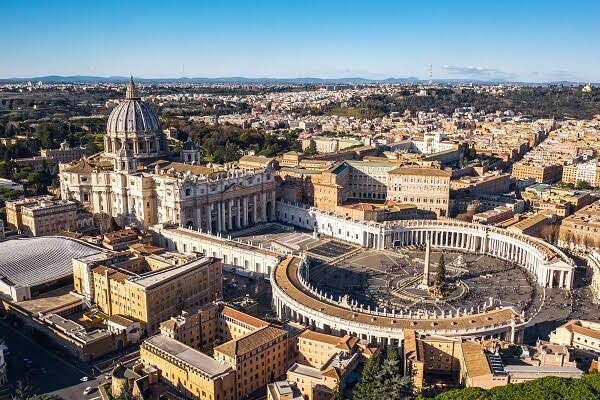
Next begins the Sede Vacante, a Latin phrase meaning “the seat being vacant.” During this period, the Fisherman’s Ring — the official papal seal — is destroyed to prevent any misuse or forgery. The governance of the Church and Vatican City temporarily shifts to the College of Cardinals.
The Church then enters a nine-day mourning period known as Novemdiales. During this time, the pope’s body lies in state at St. Peter’s Basilica for public veneration. The funeral typically takes place four to six days after the pope’s death and is attended by dignitaries, global Church leaders, and thousands of the faithful.
Preparations for the election of the new pope then begin. Only cardinals under the age of 80 are eligible to vote. The conclave — the gathering to elect a new pope — usually begins 15 to 20 days after the pope’s death and is held in the Sistine Chapel, within the Vatican.
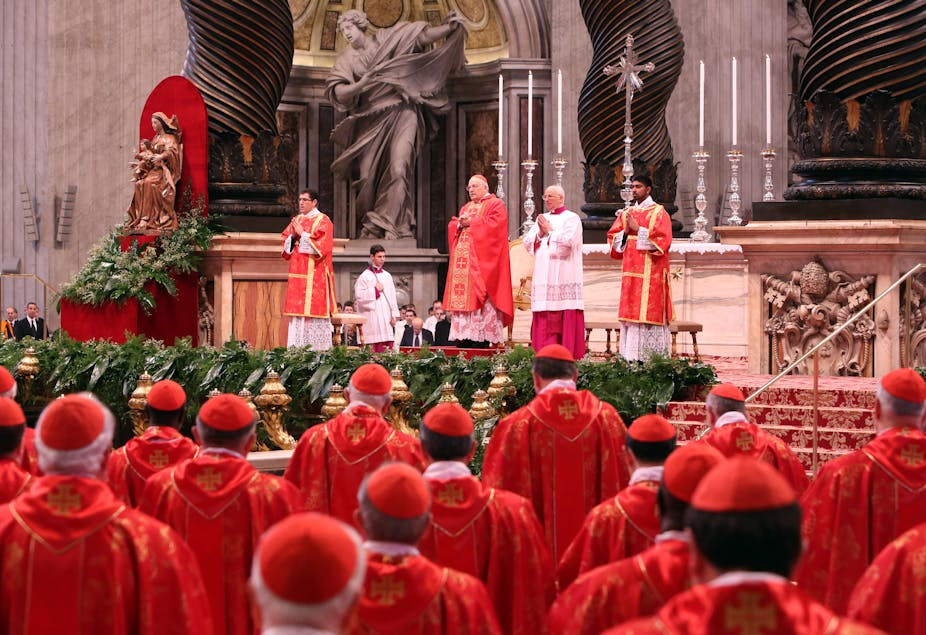
Once inside the Sistine Chapel, the cardinals are secluded from the outside world. Voting is done by secret ballot and requires a two-thirds majority to elect a new pope. Up to four rounds of voting can be held each day — two in the morning and two in the afternoon.
The world watches closely for the symbolic smoke signal. Black smoke indicates that no decision has been made, while white smoke signals that a new pope has been elected. This tradition, though ancient, continues to capture global attention.
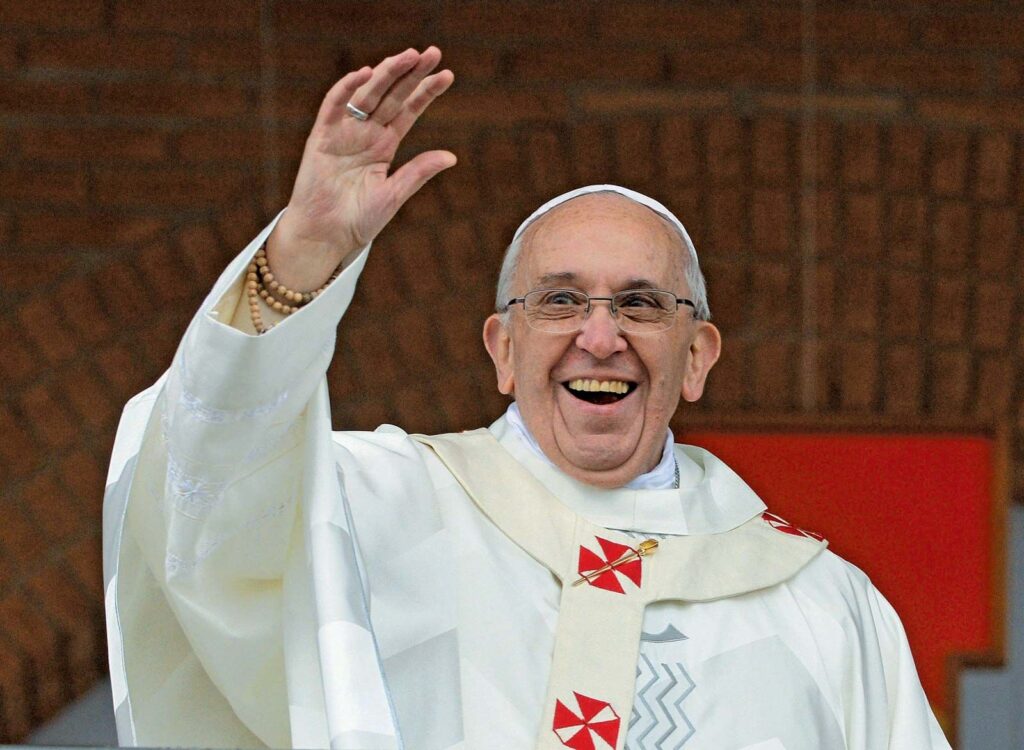
Once elected, the new pope accepts the role and chooses a papal name. He then steps out onto the balcony of St. Peter’s Basilica to greet the world with the famous declaration, “Habemus Papam!” — meaning “We have a pope!” — followed by the traditional blessing Urbi et Orbi (To the city and to the world).
For Kenyan Catholics, from Machakos Kitui , Wote and across the entire nation, this process is followed with deep reverence and spiritual hope. With over nine million Catholics in Kenya, the leadership of the pope plays a vital role not just in spiritual matters but also in shaping discussions on education, peace, governance, and moral values.
This process is not just about tradition — it is a reminder of the unity and continuity of the Catholic Church across generations and continents.
Erastus Maleve is the Chief Editor of Channel 15 News. He previously served as a religious affairs journalist at Radio Thomec 88.1 FM.
