


A Senate probe into Kitui County’s ballooning pending bills has revealed a deeper governance crisis—dysfunctional Assembly committees and growing distrust between the Executive and the legislative arms of the county government—jeopardizing critical service delivery and the approval of the upcoming Ksh 14 billion county budget.
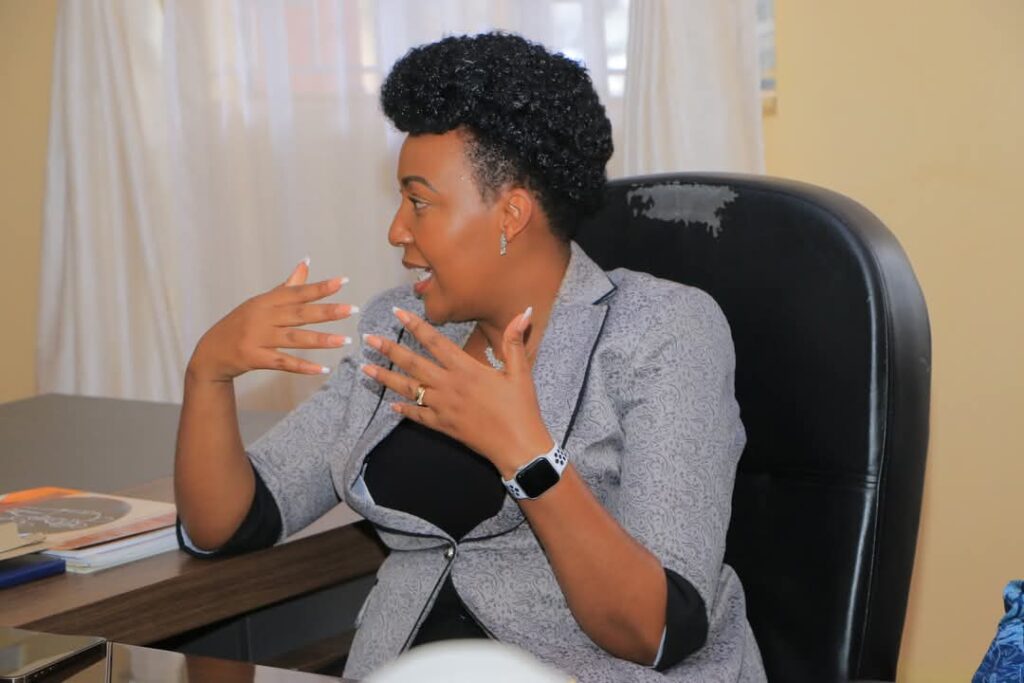
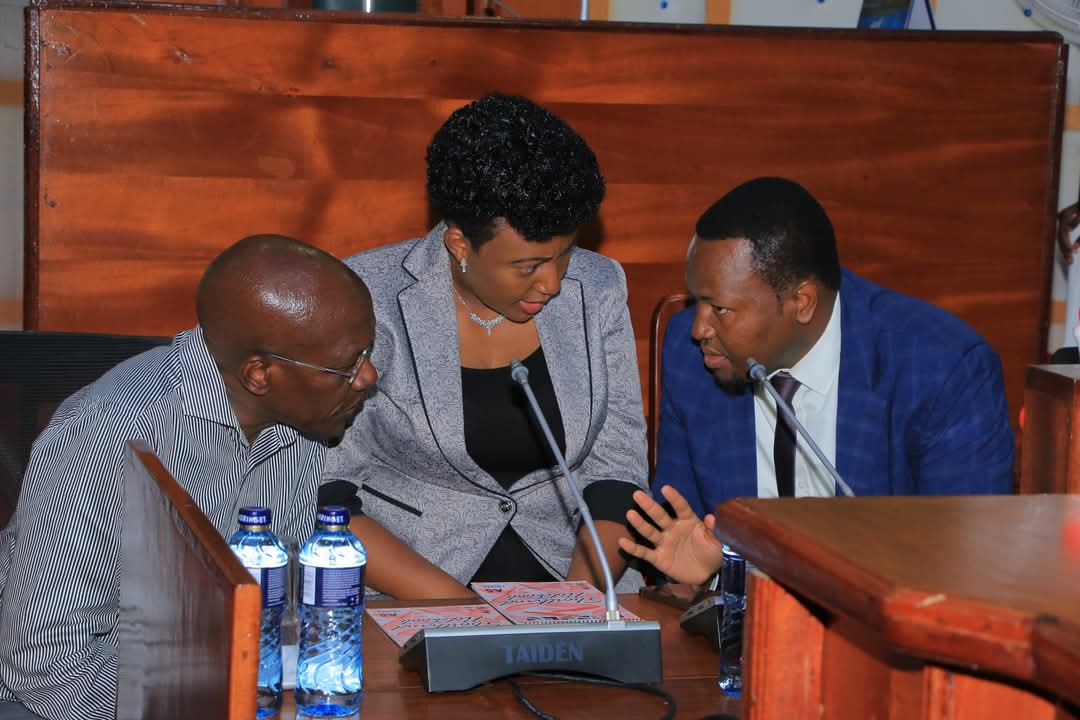
The Senate Standing Committee on Finance and Budget, led by its Vice Chairperson, Senator Tabitha Mutinda (Nominated), held a high-stakes engagement with the Kitui County Assembly leadership on Monday, May 19, inside the Assembly chambers. The meeting came amid heightened political tension between rival factions in the Assembly—one reportedly allied to Governor Julius Malombe’s Executive and the other rallying behind Speaker Kelvin Kinengo Katisya.

While Senator Mutinda downplayed the gravity of the meeting when asked by Channel 15 News, terming it “a usual oversight session,” an insider who attended the session hinted that the Senate team was deeply alarmed by the revelations presented by MCAs. At the heart of the discussions was the Ksh 1.6 billion in unpaid pending bills, which the senators heard are partly due to corruption in the Executive, where connected individuals are allegedly prioritized in payments while legitimate contractors remain sidelined.

In a damning public statement, Kakamega Senator Dr. Boni Khalwale, a member of the visiting Senate team, disclosed, “Very sad to find that all County Assembly committees are non-functional here in Kitui,” highlighting what he termed as a legislative collapse that has paralyzed oversight functions.
The Committee heard that budget scrutiny has stalled, with no functional sectoral committees in place to vet departmental estimates or evaluate development priorities. A source familiar with Assembly operations told Channel 15 News, “We’ve reached a point where internal fights have taken center stage—MCAs no longer speak for the people but for political camps.”

The Speaker’s side, through an MCA allied to Kinengo, accused Governor Malombe’s inner circle of pushing to hijack the Assembly’s oversight role by sponsoring a rival faction to control majority leadership. “The Executive wants a rubber stamp House. What they didn’t expect was resistance,” the MCA claimed.
In contrast, insiders within Malombe’s administration pointed fingers at Speaker Kinengo, blaming him for inflaming leadership wrangles and frustrating efforts to stabilize Assembly operations. “The Speaker is backing a faction that thrives on chaos. This is why committees are dead and the budget is stuck,” a source within the Executive alleged.
The situation has birthed two competing factions—one with Executive backing and another allied to the Speaker—each claiming majority leadership and legitimacy. The fallout has left oversight functions in disarray, with the public caught in the middle as stalled services and delayed payments continue to bite.

The senators emphasized the urgency of reforms, transparency, and restoration of accountability structures. “We are here to fight this animal called pending bills—something that has really tortured our people,” Senator Mutinda stated.
The Senate also hinted at the planned enactment of the Ward Development Fund, which could see more resources go directly to the grassroots. However, with Assembly functions crippled, concerns remain about how these funds will be scrutinized or equitably distributed.
As Kitui stands at the crossroads of governance paralysis and financial crisis, many now wonder whether the two arms of government can put their political egos aside and restore the Assembly’s dignity before the damage becomes irreversible.
