


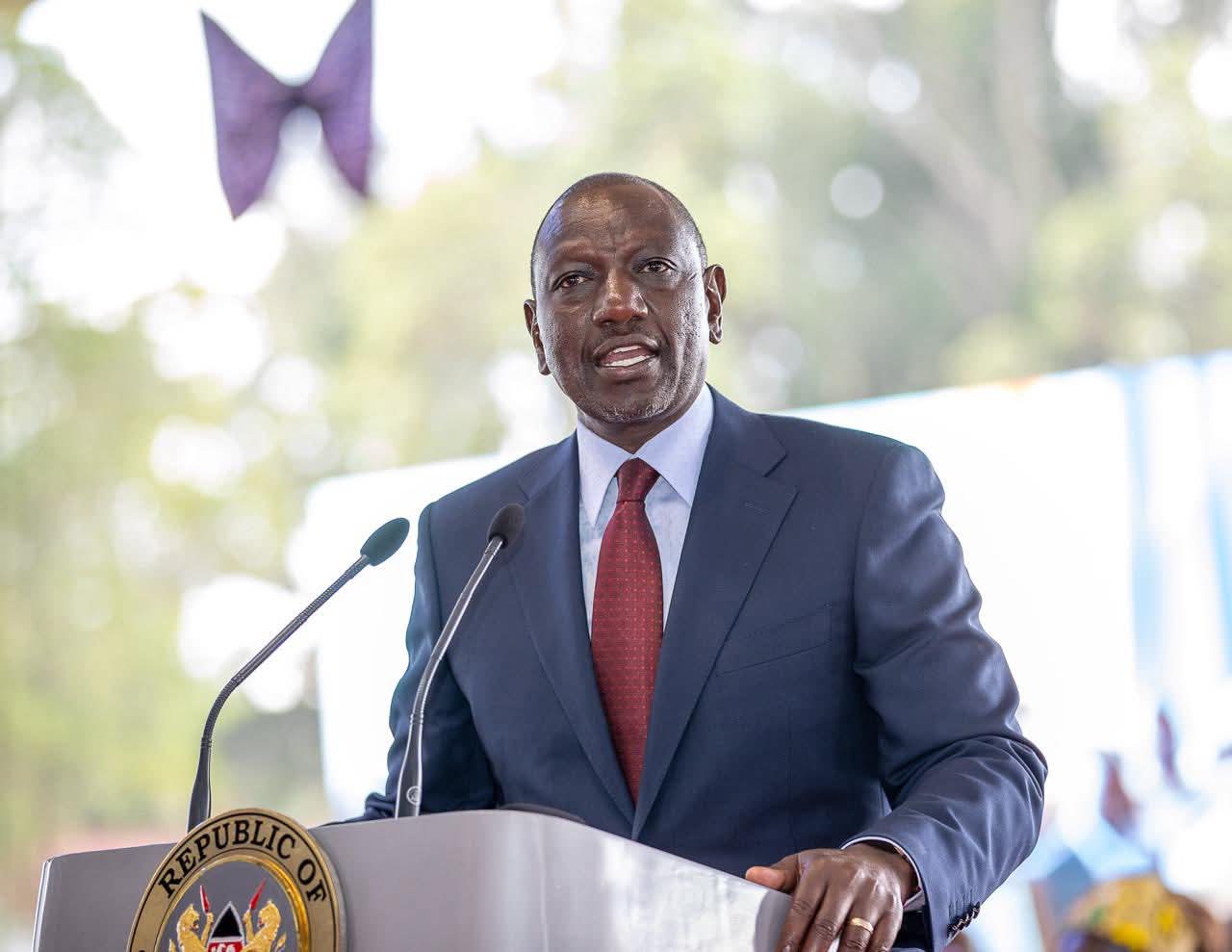
President William Ruto currently holds an early lead in the 2027 presidential race if elections were held today, according to the latest Infotrak survey, even as the rising cost of living emerges as the most influential factor shaping voter choices across the country.

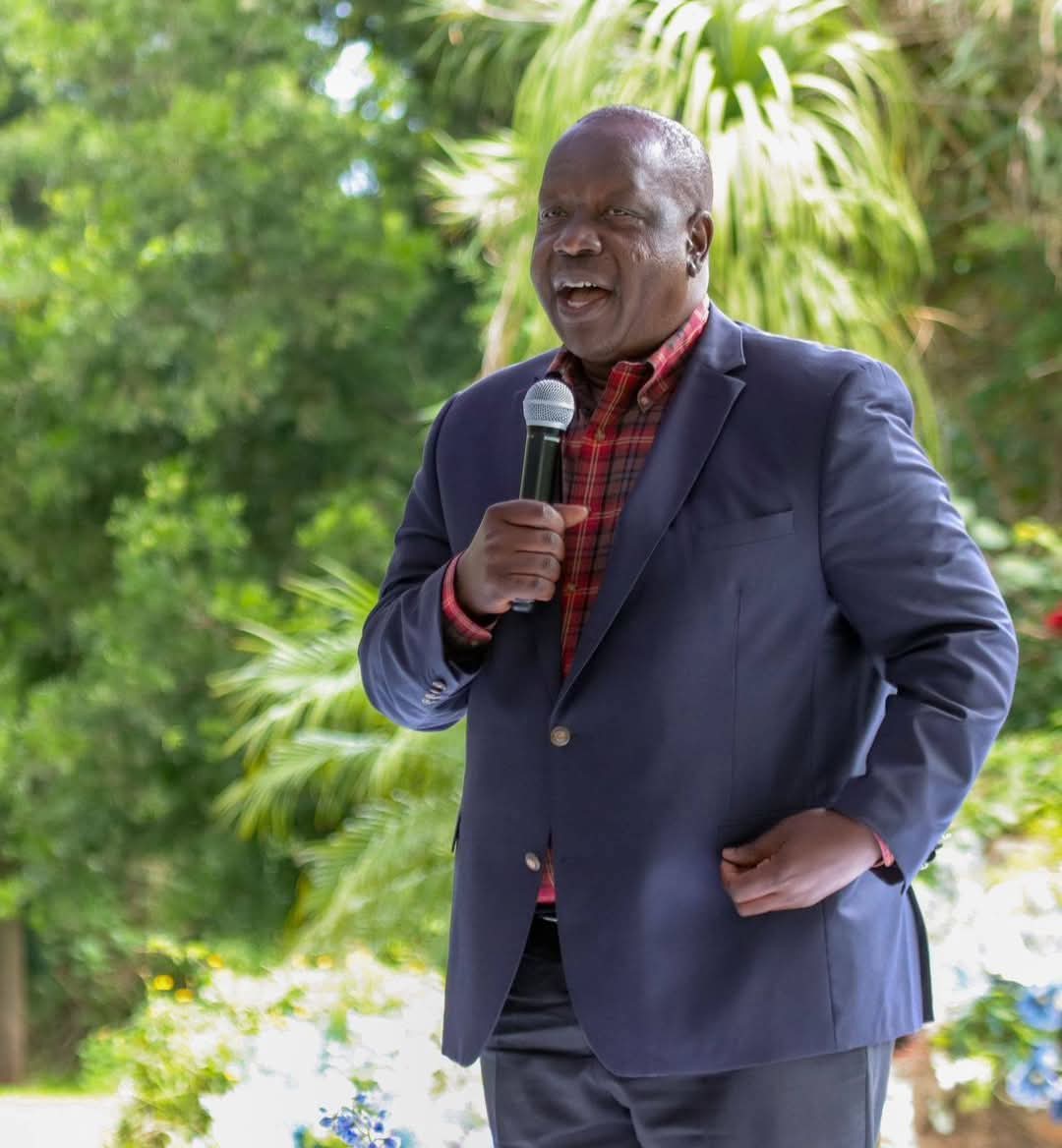
The poll places President Ruto at 28 per cent support nationally, giving him a clear edge over a divided opposition. Former Education Cabinet Secretary Fred Matiang’i follows with 13 per cent, while Wiper Party leader Kalonzo Musyoka comes close behind at 12 per cent. Embakasi East MP Babu Owino registers 7 per cent support, with former Deputy President Rigathi Gachagua trailing at 5 per cent, highlighting the fragmented nature of Kenya’s opposition politics ahead of 2027.
Beyond the presidential contest, the survey reflects shifting political alignments. About 32 per cent of Kenyans support President Ruto’s broad-based government, suggesting a measure of approval for his inclusive governance approach. In contrast, 22 per cent back a united opposition formation associated with Gachagua, while 17 per cent align with the Kenya Moja alliance, a grouping linked to vocal leaders including Nairobi Senator Edwin Sifuna, Babu Owino, Githunguri MP Gathoni Wamuchomba, and Saboti MP Caleb Amisi.
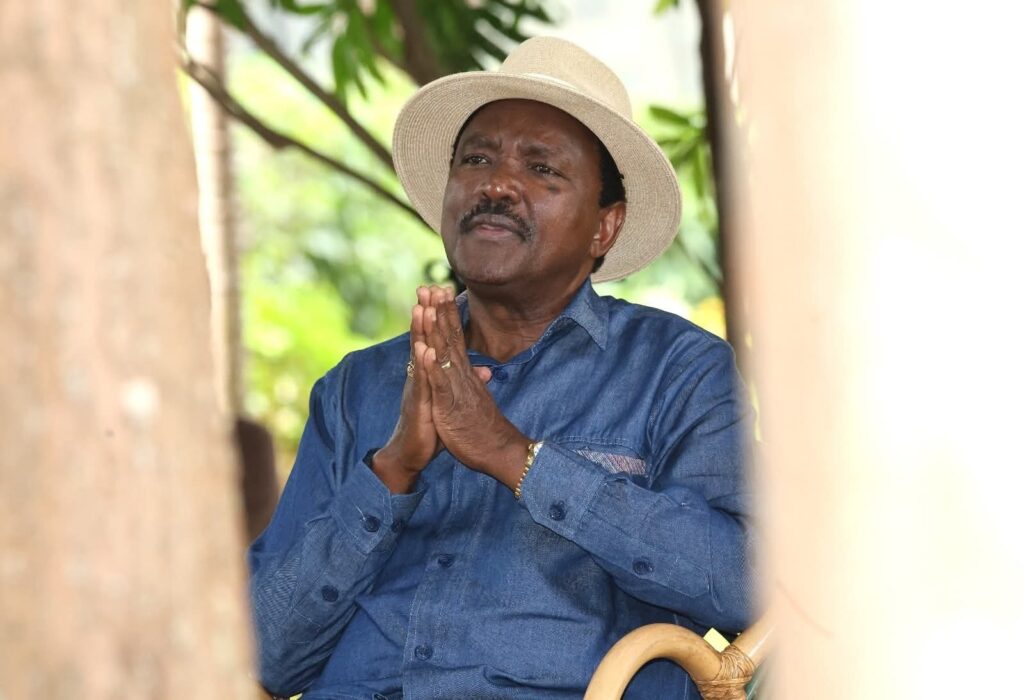
Photo: File
At the party level, the United Democratic Alliance (UDA) remains the most popular political party with 23 per cent support, reinforcing President Ruto’s institutional advantage. The Orange Democratic Movement (ODM) follows with 19 per cent, while DCP stands at 6 per cent, Jubilee Party at 5 per cent, and Wiper Patriotic Front at 4 per cent, underscoring a competitive but divided political field.
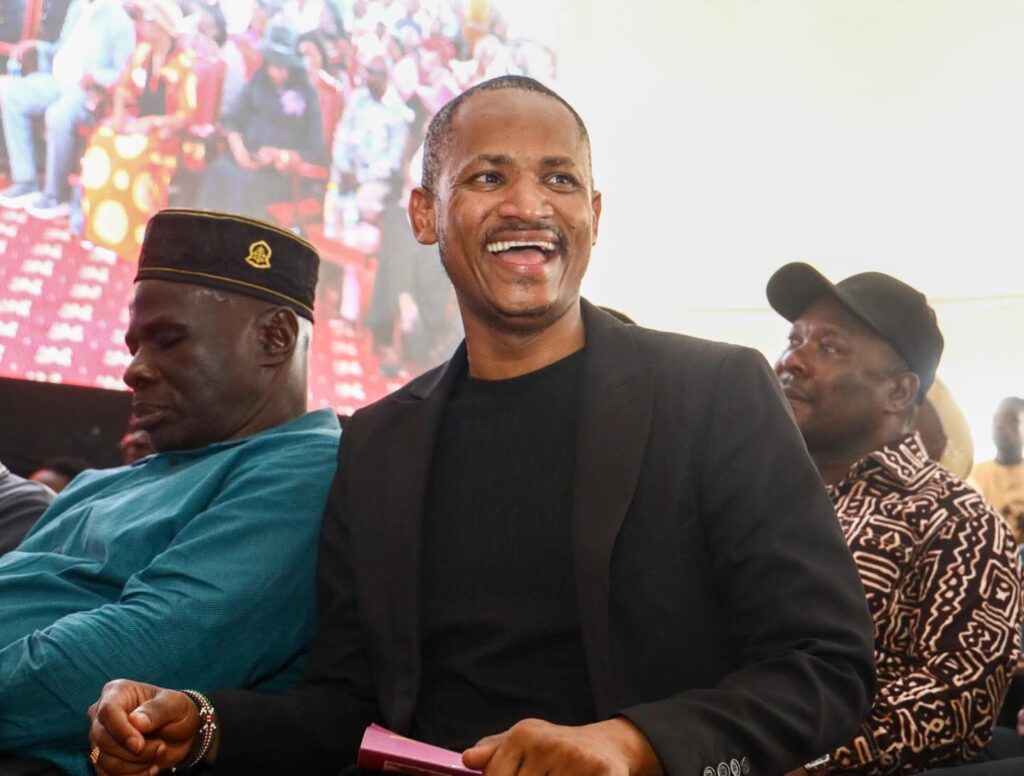
Photo: File
The Infotrak poll also sheds light on succession politics within the Luo community following the death of former Prime Minister Raila Odinga. A notable 33 per cent of respondents identify Babu Owino as their preferred successor to Raila’s political mantle, placing him well ahead of Siaya Senator Oburu Odinga at 10 per cent and Homa Bay Governor Gladys Wanga at 7 per cent. Veteran politician James Orengo attracts 4 per cent, while Winnie Odinga records 1 per cent, even as 37 per cent of respondents remain undecided, pointing to uncertainty over future leadership.
Crucially, economic hardship dominates voter concerns ahead of the next General Election. According to the survey, 46 per cent of Kenyans say the high cost of living will be the single most influential factor in determining how they vote in 2027, signaling that economic performance may outweigh traditional political loyalties.
As the country edges closer to the 2027 General Election, the findings suggest that while President Ruto enjoys an early advantage, the contest remains fluid, with economic realities, opposition unity, and shifting alliances likely to shape Kenya’s political future.
