



Kitui County has been thrust into yet another political and environmental storm after activist Musili Kauta launched a scathing attack on Senator Enoch Kiio Wambua, accusing him of political hypocrisy and convenient activism over the long-running destruction of the county’s river ecosystems.
Kauta was reacting to a dramatic press statement by the Senator in which Kiio warned that Kitui was on the brink of an environmental catastrophe driven by illegal sand harvesting. While the Senator struck a defiant tone and vowed to confront powerful cartels, the activist dismissed the move as a late and insincere attempt to rewrite history.

According to Kauta, the damage now being lamented did not occur overnight. He claimed that for years, sand was scooped from rivers in full view of leaders and authorities, while communities watched their water sources dry up and livelihoods collapse. In his view, Senator Kiio’s sudden outrage amounts to nothing more than political theatre.
The activist went further, making an explosive allegation that threatens to deepen political fault lines in the county. Kauta claimed that the Senator’s party leader is the greatest beneficiary of illegal sand harvesting in Kitui, arguing that Kiio cannot credibly wage war against cartels while his own political camp allegedly profits from the trade. He described the Senator as “cowardly” for keeping quiet when the destruction was allegedly being driven by powerful and well-connected figures, including individuals he named as Kalungu and Mulyungi.

But in his statement, Senator Kiio painted himself as a leader finally drawing the line. He described once-fertile river banks across Kitui as now reduced to barren stretches of soil, accusing greedy businessmen masquerading as investors of pushing an already arid county closer to desertification. He spoke of communities cut off from water, of youth exploited for meagre pay, and of public resources siphoned off through shadowy arrangements that deny the county much-needed revenue.
Kiio insisted that what was happening was not business but organized plunder, warning that if the looting of rivers continued unchecked, future generations would inherit nothing but dust and poverty. He portrayed the sand cartels as arrogant and dangerous, claiming they compromise local leaders and intimidate anyone who dares question their operations.
Acknowledging the risks, the Senator claimed he was ready to face threats and attacks for speaking out, declaring that he would choose the people of Kitui over political convenience. He rallied residents to stand up against what he termed racketeers, insisting that the fight for environmental justice was a fight for survival.
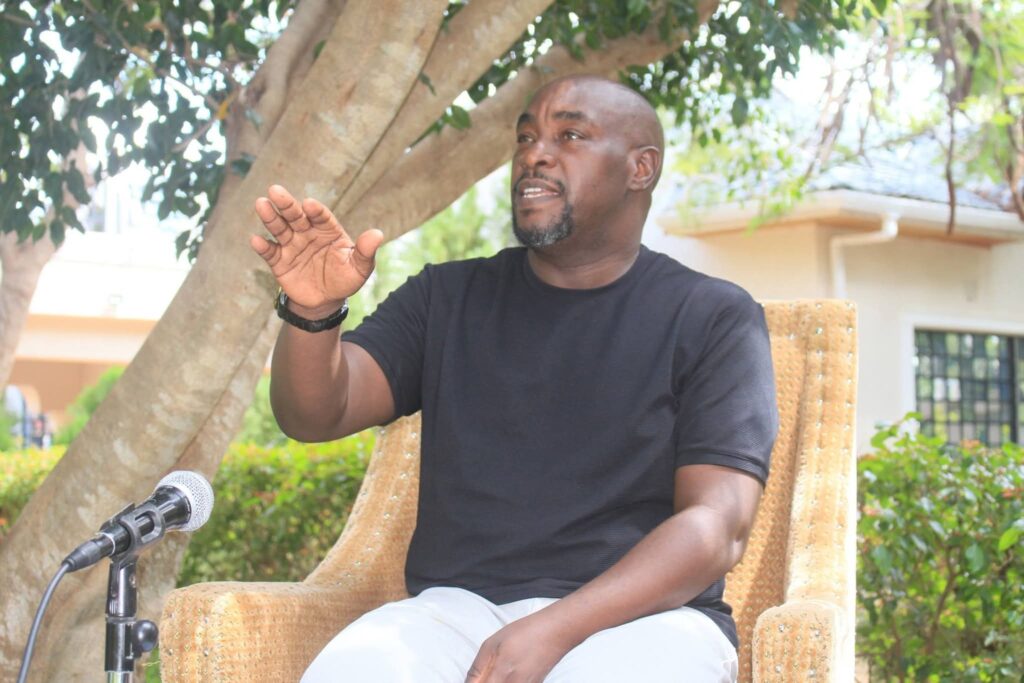
Yet for Kauta, such declarations come far too late. He questioned why the Senator’s bravery only surfaced after the rivers had already been destroyed and accused him of hiding behind emotional language while avoiding the real power structures behind the sand economy. To the activist, the press statement is not a turning point but an attempt at damage control in a county where anger over environmental loss is steadily boiling.
As the war of words escalates, Kitui finds itself caught between genuine environmental crisis and a bruising political blame game. Rivers continue to vanish, trucks continue to roll, and communities continue to struggle for water, even as leaders trade accusations over who failed, who benefited, and who is now pretending to care.
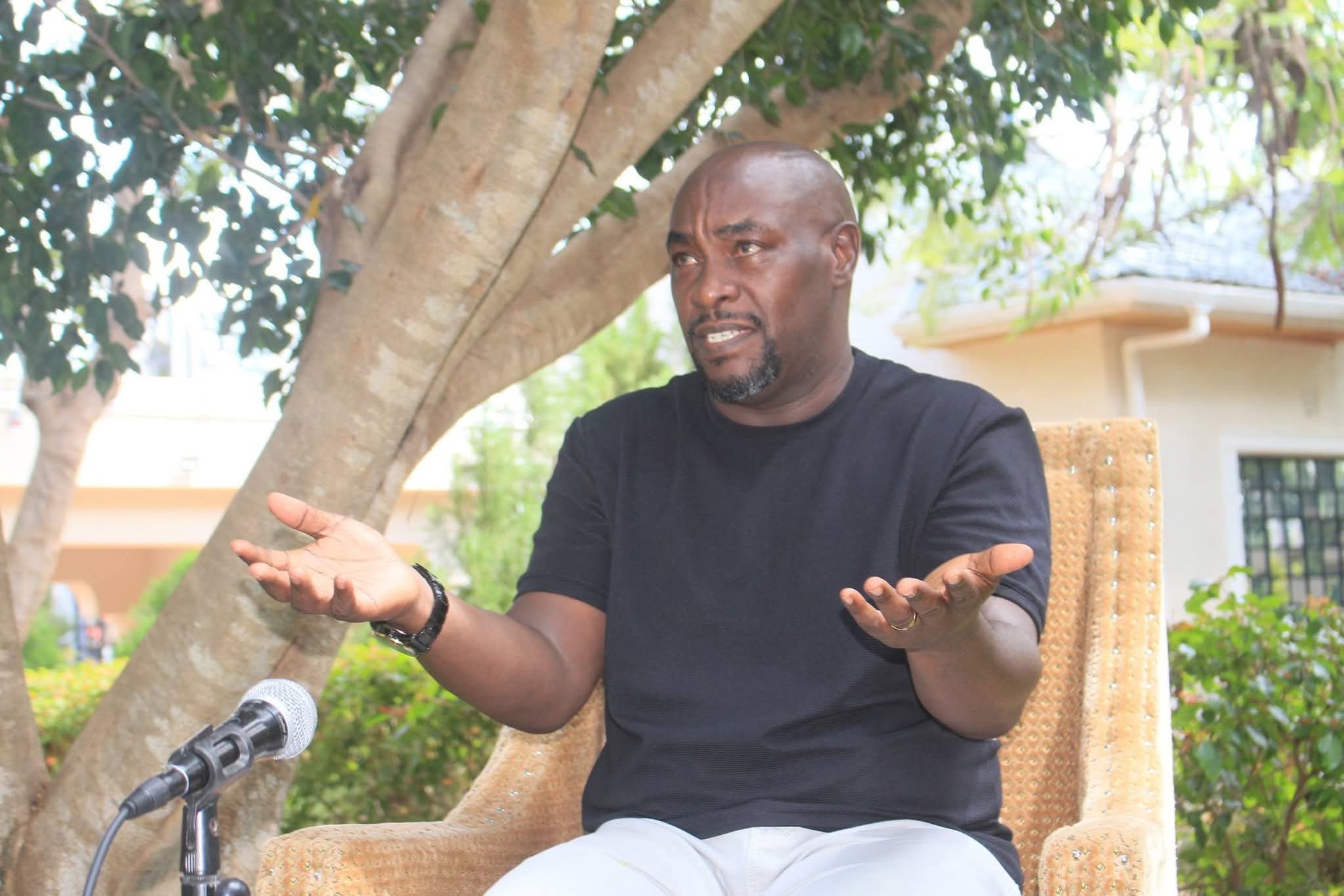
What remains clear is that beneath the fiery statements and counterclaims lies a painful truth: Kitui’s environment has paid the price for years of silence, collusion and inaction. Whether the current political drama will finally lead to accountability or fade into yet another episode of empty rhetoric is a question residents say can no longer be postponed.
For many in Kitui, the sand is gone — and patience is fast running out.
