



A quiet legislative storm is brewing in Parliament as lawmakers push forward a proposal that could fundamentally alter the face of leadership within the National Police Service.
The National Police Service (Amendment) Bill, 2025, sponsored by Teso North MP Hon. Oku Kaunya, seeks to introduce a mandatory age cap of 60 years for individuals nominated or appointed to the offices of Inspector General (IG) and Deputy Inspector General (DIG) of Police.
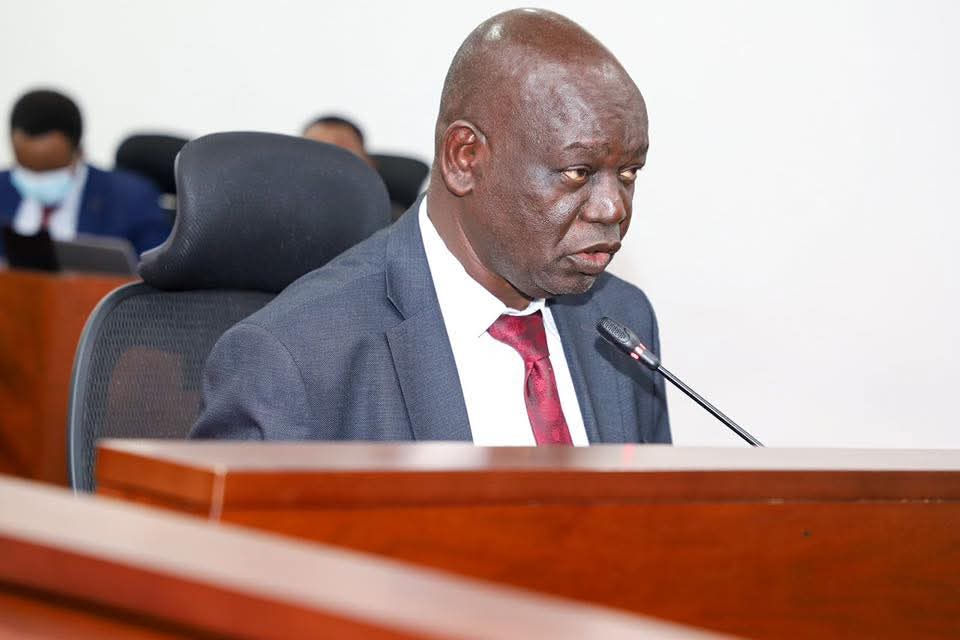
The proposed law, currently under review by the Administration and Internal Security Committee chaired by Hon. Dido Rasso (Saku), is being billed as a strategic move to inject agility, succession planning, and modern energy into the upper ranks of the police service.
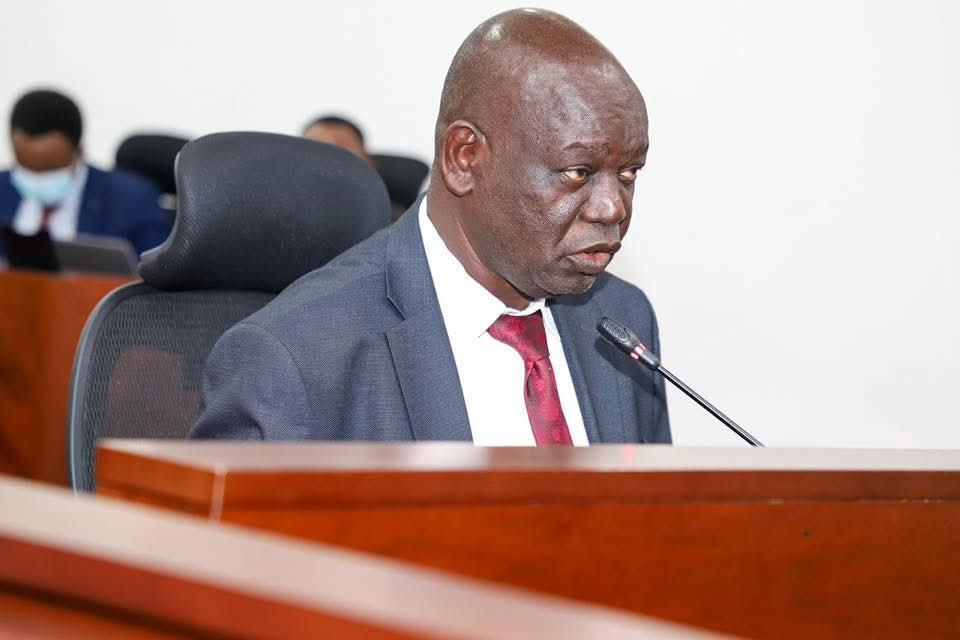
“Security work is demanding and requires someone who is fit,” said Hon. Kaunya. “While experience is valuable, we must not leave this gap unaddressed. This proposal helps close that loophole and ensures a capable and agile police leadership.”
If enacted, the amendment will revise the National Police Service Act, Cap. 84, in a way that disqualifies any nominee or appointee to the two top police positions if they are above 60 years of age — regardless of rank, legacy, or political connections.
A Move Toward Generational Change
At the heart of the proposed reform is the desire for generational transition within the service. Hon. Kaunya and supporters of the bill argue that while seniority and institutional memory are crucial, they must be balanced with the mental sharpness and physical stamina demanded by modern policing challenges — including terrorism, cybercrime, and urban unrest.

Committee members, who met with Hon. Kaunya this week to scrutinize the bill clause-by-clause, noted that the current legal framework lacks clear succession safeguards, sometimes leading to politically motivated appointments of retired or semi-retired figures.
Raising Eyebrows Behind the Scenes
While the bill is gaining momentum on the floor of the House, it’s also stirring quiet tension within some political quarters and sections of the police command. Insiders say it could disrupt long-standing power deals, particularly those involving elite security operatives who are often reappointed or parachuted into high-ranking roles post-retirement.
Broader Implications for Police Reforms
This legislative push is emerging at a time when calls for police reform are intensifying, especially after public uproar over alleged brutality, extrajudicial killings, and perceived politicization of the police force. Analysts view the bill as a potential litmus test for the government’s commitment to real, structural change in security governance.
If the bill sails through, it could not only define who qualifies to be at the helm of the police in the coming years, but also send ripples across the boardrooms where succession politics and security leadership intersect.
