


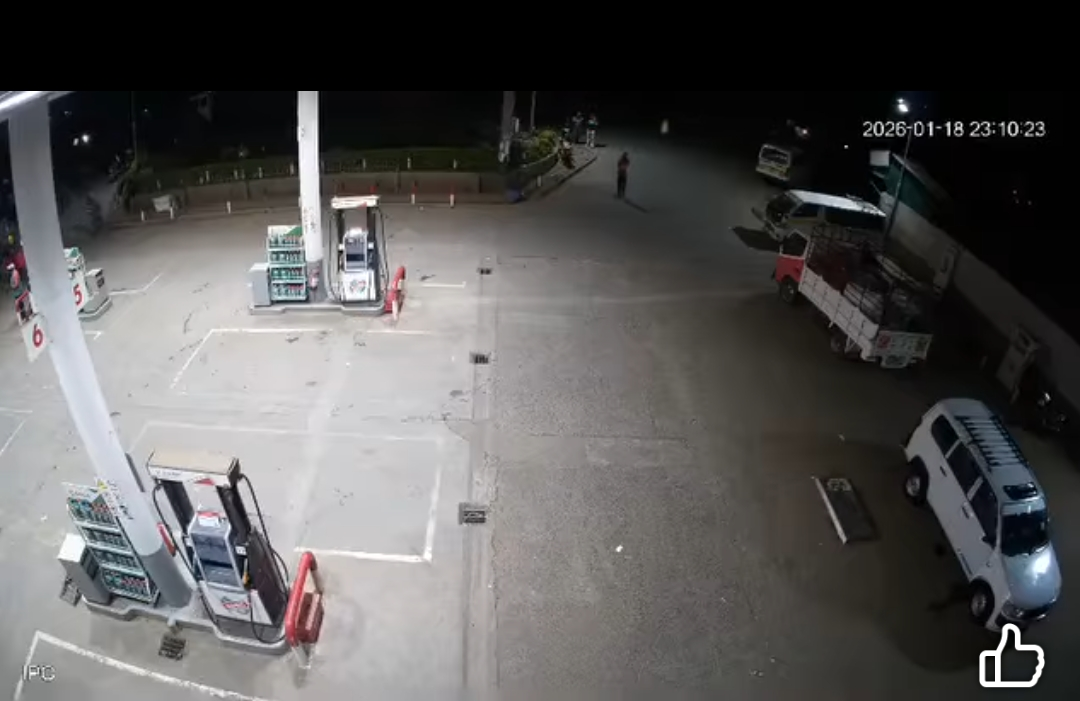
Anger and disbelief continue to spread across Karatina following the fatal shooting of a young man by a police officer at Rubis Petrol Station on Sunday night, an incident that has reignited painful conversations around police use of force and accountability in Kenya.
Eyewitnesses say the deceased had been involved in a confrontation with a mechanic who had repaired his vehicle but allegedly failed to fix the underlying problem. The young man reportedly demanded a refund, insisting that he could not pay for work that had not resolved the issue. The disagreement, witnesses say, remained verbal until police officers manning the station intervened.
What happened next has left the community shaken.
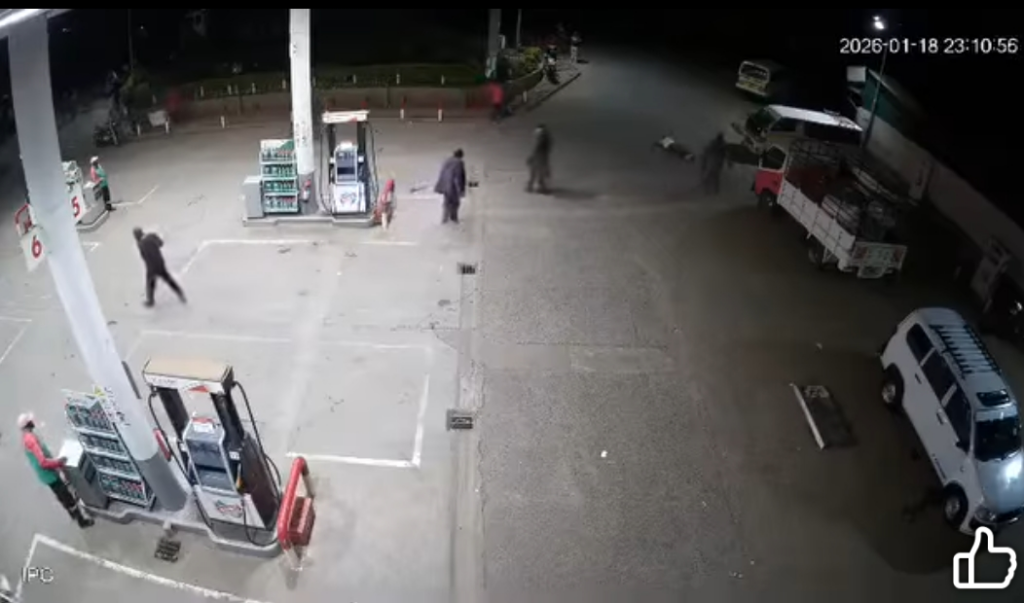
Witnesses allege that the young man was not armed and did not pose an immediate threat when the exchange between him and the officers grew heated. They say tensions escalated as the deceased continued to insist on getting his money back, moments before one of the officers allegedly shot him at close range.
The shooting happened in full view of bystanders, leaving the young man fatally wounded at the scene. Residents describe the incident as sudden and terrifying, questioning how a civilian dispute over money could end in death.
Many are now asking whether the officer exhausted all non-lethal options before pulling the trigger.
As news of the killing spread, outrage erupted both in Karatina and on social media, with Kenyans demanding to know whether the deceased was carrying any weapon and why lethal force was used in what appeared to be a non-violent confrontation.
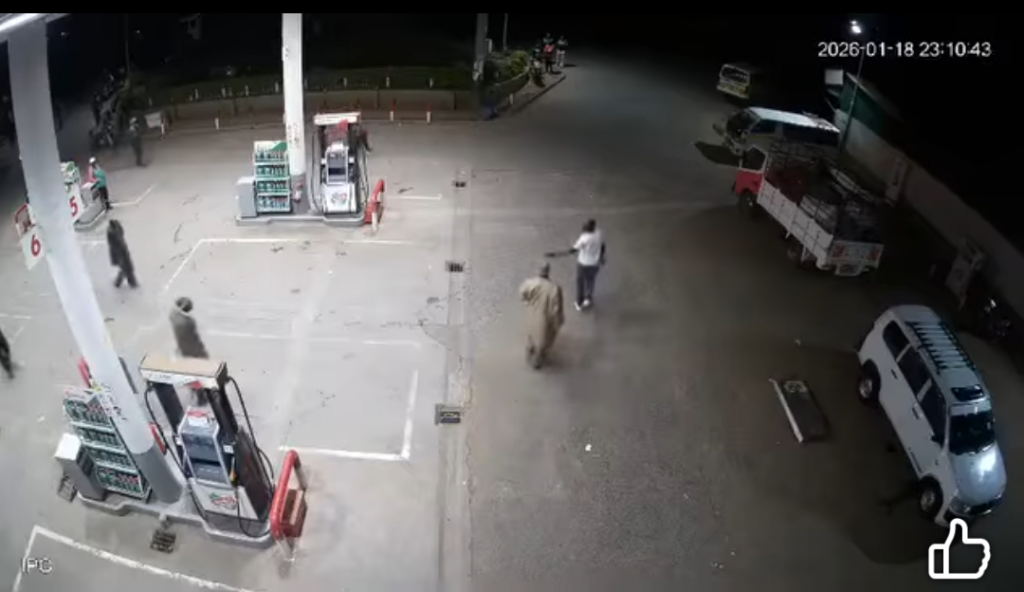
Human rights activists and residents alike are calling for the immediate involvement of the Independent Policing Oversight Authority (IPOA) and the release of CCTV footage from the petrol station to establish what transpired.
By press time, the National Police Service had yet to issue a detailed public statement explaining the circumstances that led to the fatal shooting. For many in Karatina, the silence has only deepened the pain and suspicion surrounding the incident.
As the community mourns, a haunting question continues to echo: if a disagreement over a refund can cost someone their life, what does that mean for ordinary citizens seeking justice in everyday disputes?
