



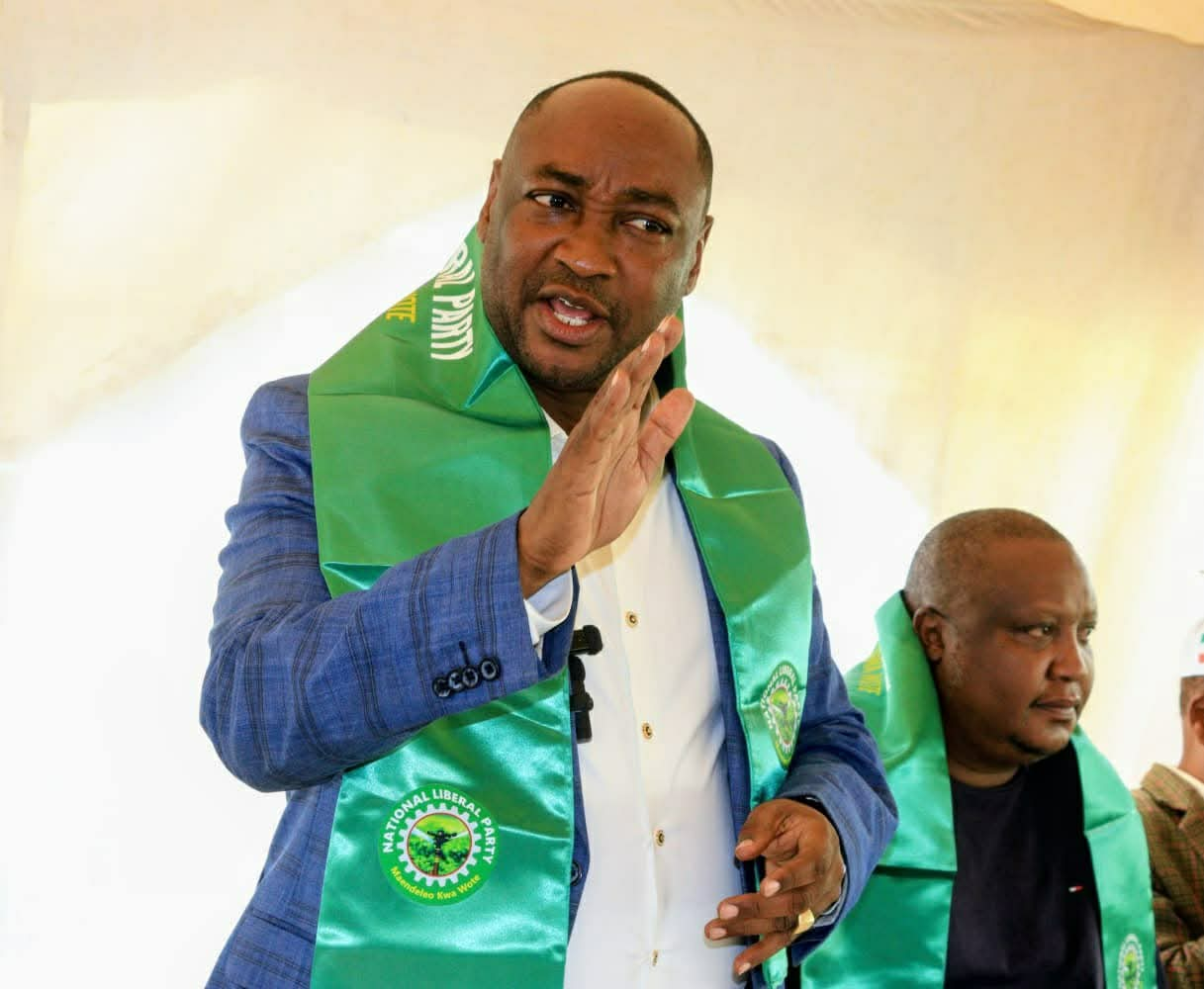
The National Liberal Party says it is preparing to chart an independent political path, with Dr Augustus Kyalo Muli setting his sights on building a broader political movement in Ukambani.
The National Liberal Party (NLP), led by Dr Augustus Kyalo Muli, has formally served notice of its intention to withdraw from the Azimio la Umoja One Kenya Coalition Party, setting the stage for a fresh political realignment ahead of the 2027 General Election.
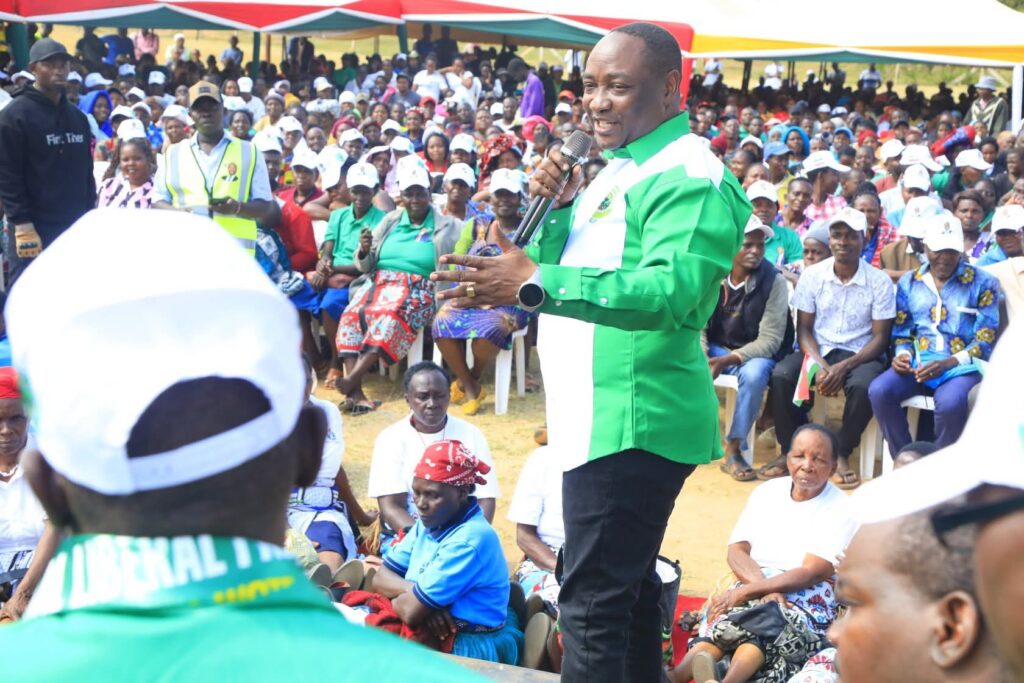
The party says its decision follows persistent disagreements over coalition governance, accountability, internal democracy and the handling of key political decisions, arguing that its continued participation in Azimio no longer serves its political interests and aspirations.
📊 Channel 15 News Opinion Poll
In a notice dated November 21, 2026, NLP communicated its intention to leave the coalition to the Office of the Registrar of Political Parties, the Azimio Secretariat and other coalition partners.
According to the party, the withdrawal is being undertaken in accordance with Section 10 of the Political Parties Act and Article 22 of the Azimio Deed of Agreement, which provides for a 90-day notice period.
NLP says its withdrawal will therefore take legal effect on February 19, 2027, upon expiry of the notice period.
Until then, the party remains a member of the coalition in law, even as it prepares to pursue a more independent political direction.
The disputes that preceded the decision
Explaining the circumstances behind its departure, NLP has pointed to a series of disagreements with the coalition leadership, including disputes over representation, accountability, financial transparency and proposed changes to Azimio’s political identity.
One of the defining episodes was the 2024 contest for representation in the IEBC Selection Panel nomination process.
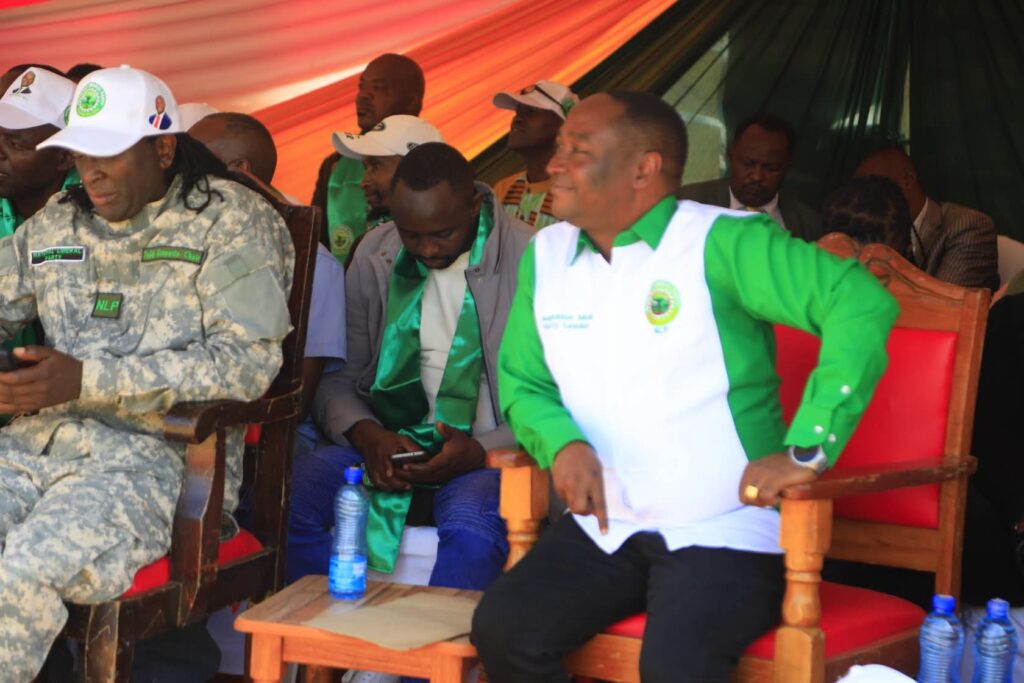
During the July 26, 2024, voting exercise at Kyaka Hotel in Machakos County, Dr Augustus Muli, representing NLP, secured 16 votes against seven garnered by Wiper’s Dr Koki Muli.
The outcome triggered a dispute after the coalition sought to replace Muli’s name with that of his competitor.
The matter proceeded through the Political Parties Disputes Tribunal and the High Court. In October 2024, the High Court set aside the tribunal’s decision and ordered a fresh election for the minority coalition position, highlighting the legal and procedural disagreements that had surrounded the nomination process.
For NLP, the episode remains part of its broader concerns about the treatment of constituent parties and their participation in coalition decisions.
The party has also questioned the management of coalition affairs, including financial accountability, implementation of the coalition agreement and the procedures surrounding proposed leadership changes.
Another point of disagreement has been the proposed rebranding of Azimio to The Ukombozi Alliance.
NLP has maintained that such a fundamental change to the coalition’s identity should involve proper consultation and the consent of its constituent members.
The party has consequently objected to any attempt to treat the proposed rebranding as a unanimous decision without its approval.
Why Ukambani is central to NLP’s next move
Beyond the coalition dispute, the withdrawal carries particular political significance for Ukambani, where Muli hopes to expand his party’s influence.
The region’s political landscape has historically revolved around established political figures and alliances. NLP now wants to introduce a broader conversation about political competition, regional representation and the terms on which Ukambani engages national political formations.
Muli says the party intends to strengthen its grassroots structures across Kitui, Machakos and Makueni while reaching out to professionals, young people, women, business communities, religious institutions and other grassroots organisations.
The proposed political agenda includes economic empowerment, accountability, protection of devolution and greater participation in national decision-making.
A central question in this emerging political conversation is whether Ukambani can negotiate its interests independently rather than relying exclusively on the political ambitions of individual leaders.
NLP argues that regional interests should remain a priority regardless of who eventually secures the presidency in 2027.
It wants political formations seeking support from the region to demonstrate their commitment to addressing local priorities, including water access, infrastructure, agriculture, industrialisation and equitable resource allocation.
The party has also raised the question of what happens to Ukambani’s political interests if a regional presidential candidate fails to win the election, arguing that the region needs a sustainable mechanism for negotiating with whichever government takes office.
A different approach to the 2027 elections
NLP’s departure from Azimio also opens the possibility of a different political strategy as parties begin positioning themselves for the next General Election.
Rather than remaining tied to one coalition, the party says it wants the freedom to engage different political formations, negotiate political arrangements and make decisions based on its priorities.
Its leadership maintains that regional support should not be treated as automatic, but should be secured through consultation, respect and clearly defined commitments.
The party has further indicated that it intends to strengthen its political structures and build an independent institutional identity beyond its current coalition arrangements.
However, the practical impact of the withdrawal will depend on how effectively NLP translates its stated ambitions into grassroots organisation and political engagement across the country.
For now, the November 21 notice marks an important step in the party’s effort to redefine its position in Kenya’s evolving opposition politics.
What next for NLP?
Muli has framed the decision as a repositioning exercise rather than a confrontation with former coalition partners.
The party says it is not retreating from national politics but seeking greater independence in determining its political direction and negotiating future alliances.
Its immediate focus is expected to be strengthening party structures, expanding grassroots engagement and contributing to the political debate surrounding Ukambani’s future ahead of the 2027 elections.
The withdrawal notice also raises broader questions about the future of Azimio and the ability of constituent parties to maintain their individual political identities within coalition arrangements.
For NLP, the message is that regional political interests should be negotiated through organised institutions and broad consultation rather than being tied permanently to individual political personalities.
As the 2027 political contest approaches, the party is seeking to establish itself as an alternative voice in the region’s political landscape.
Whether that ambition translates into a substantial political movement will depend on the party’s ability to build a credible grassroots network and turn its independence into tangible political organisation.
