


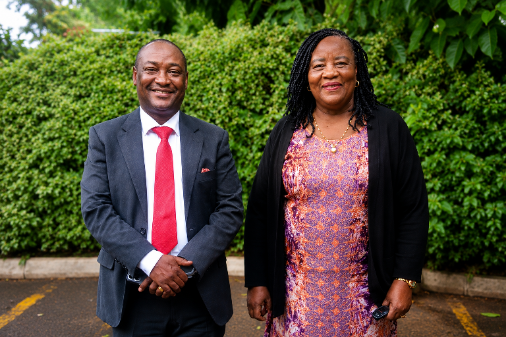
National Liberal Party (NLP) leader Dr. Augustus Kyalo Muli has once again found himself at the centre of political discussion following a courtesy visit to Mama Ida Odinga, the widow of Kenya’s former Prime Minister Raila Odinga.
While details of the meeting were not immediately disclosed, the visit has attracted attention in political circles, with observers interpreting it as part of a broader effort by the NLP leader to expand his national political networks ahead of the 2027 General Election.
The meeting comes months after Dr. Muli led a delegation of leaders from the Small Political Parties Alliance to condole with the Odinga family following the death of the former Premier. That visit was viewed as a show of solidarity with one of Kenya’s most influential political families and a signal that smaller parties were keen to remain part of the country’s evolving political conversation.
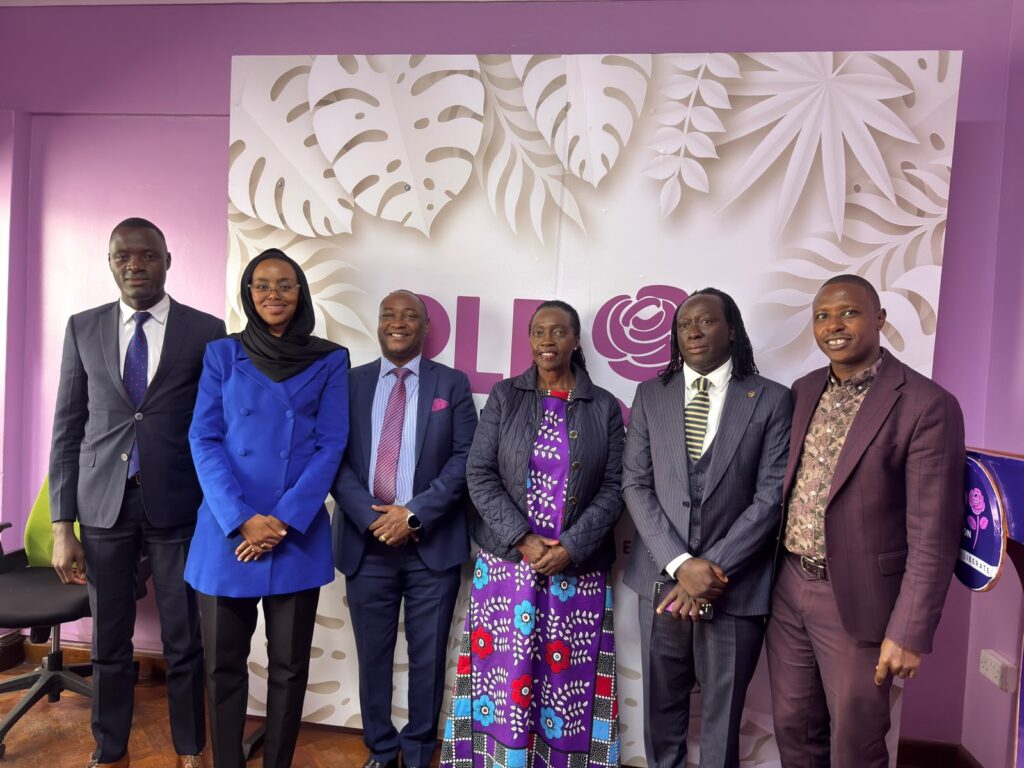
Political analysts note that the latest engagement with Ida Odinga is consistent with Muli’s recent strategy of building relationships across the political divide as parties begin positioning themselves for the next electoral cycle.
The visit also follows another high-profile meeting between Dr. Muli and People’s Liberation Party leader Martha Karua. Although the details of their discussions remained closely guarded, the engagement sparked speculation about possible cooperation among leaders seeking to shape Kenya’s political landscape ahead of 2027.
Observers say such meetings reflect a growing recognition of Muli as an emerging national political player whose influence is increasingly extending beyond his traditional support base in Ukambani.
“Politics is often about building relationships long before alliances are formally announced. When an emerging leader is consistently engaging respected national figures, it naturally attracts attention,” said a political analyst familiar with opposition politics.
Over the past few years, the National Liberal Party has steadily expanded its presence in several parts of the country. Party officials have repeatedly cited growing membership numbers and an expanding grassroots network as evidence of NLP’s ambition to become a significant player in national politics.
The party has particularly strengthened its profile through issue-based campaigns, governance advocacy and its push to position itself as an alternative political vehicle capable of appealing to voters beyond regional interests.
For Dr. Muli, the meeting with Ida Odinga is likely to reinforce perceptions that he is actively cultivating relationships with influential leaders as political realignments begin to take shape.
Although neither side has publicly indicated that the meeting had any political undertones, its timing has inevitably generated interest among political observers who are closely monitoring movements within Kenya’s opposition and emerging political formations.
With less than two years to the next General Election, analysts believe that leaders who successfully build national networks and strategic partnerships early could have a significant advantage when coalition-building begins in earnest.
Whether the meeting was purely a courtesy call or part of a wider political engagement, one thing is becoming increasingly clear: Dr. Augustus Muli is steadily carving out a place for himself in Kenya’s national political discourse.
As the race towards 2027 gradually gathers momentum, his growing list of high-level engagements is likely to keep him firmly on the radar of both political allies and rivals.
