


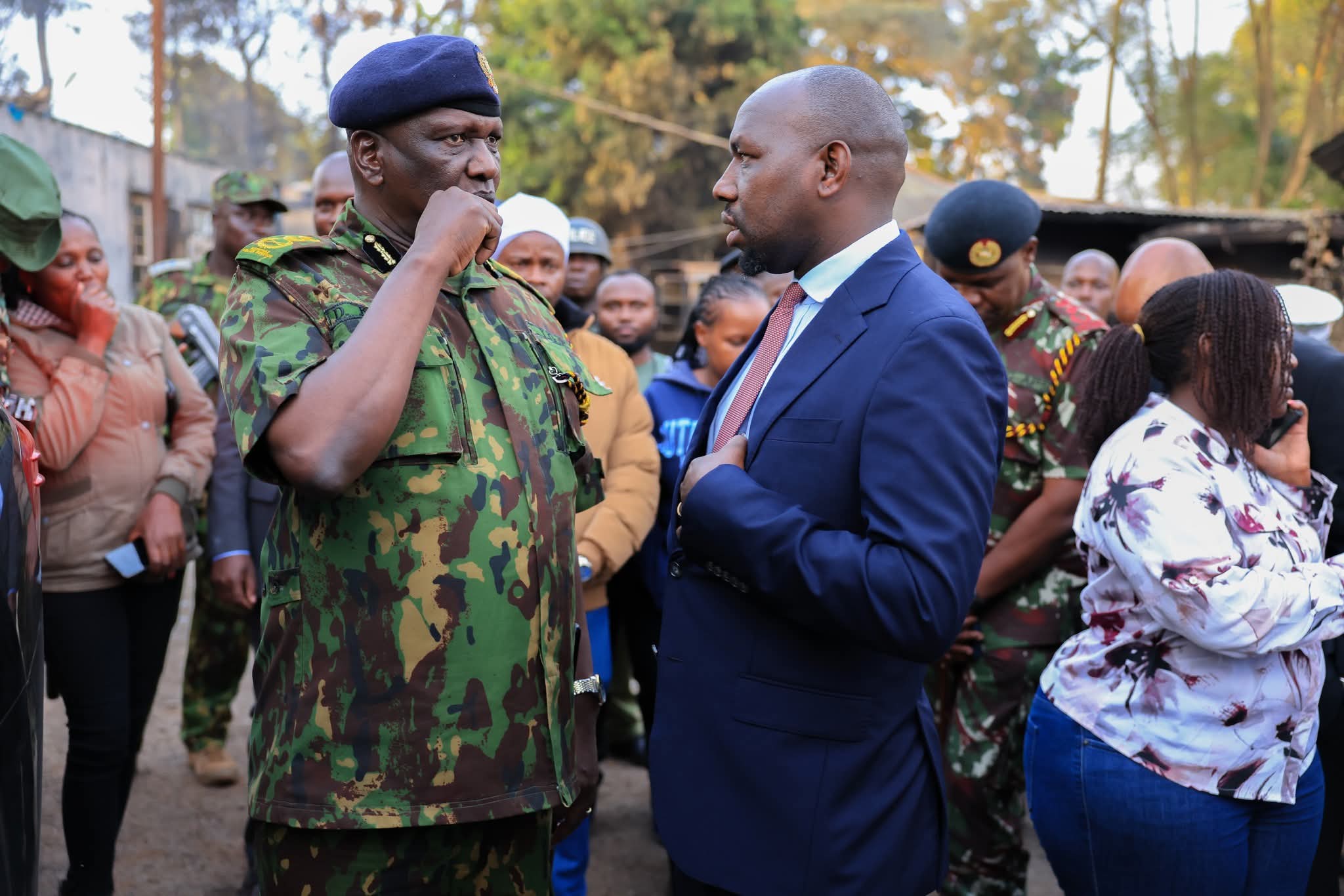
Interior Cabinet Secretary Kipchumba Murkomen is facing national uproar and global scrutiny after a video of him issuing a “shoot-to-kill” directive to police during Wednesday’s anti-government protests went viral.
The directive, captured in a high-level security surveilance of businesses in the city after Wednesday Gen Z demos, appears to show Murkomen instructing law enforcement to use lethal force against protesters, sparking outrage, condemnation, and calls for his resignation.
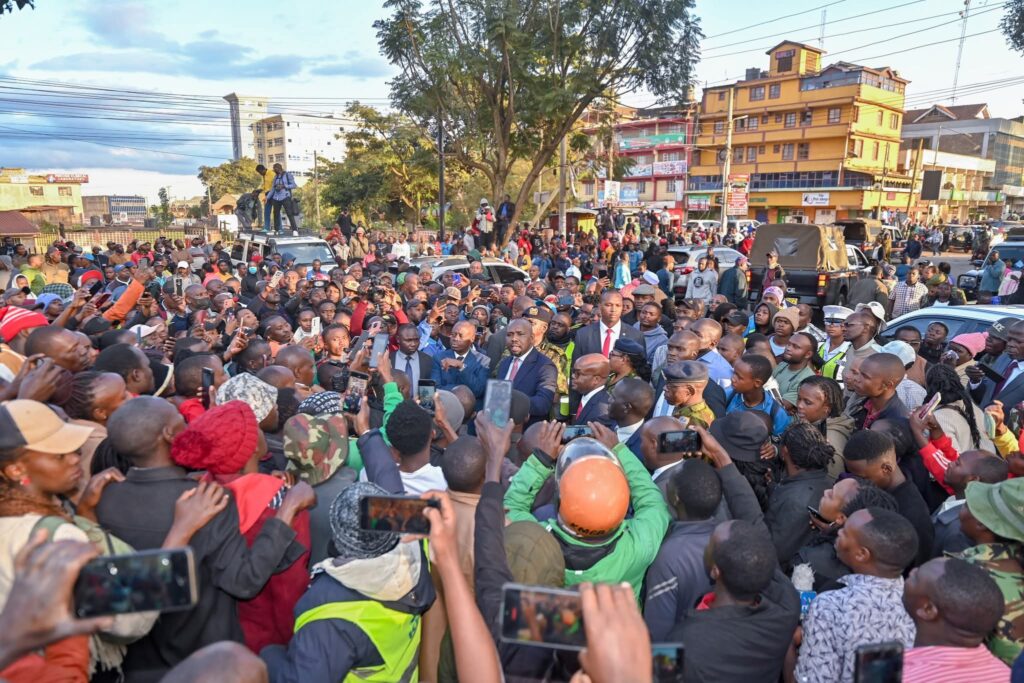
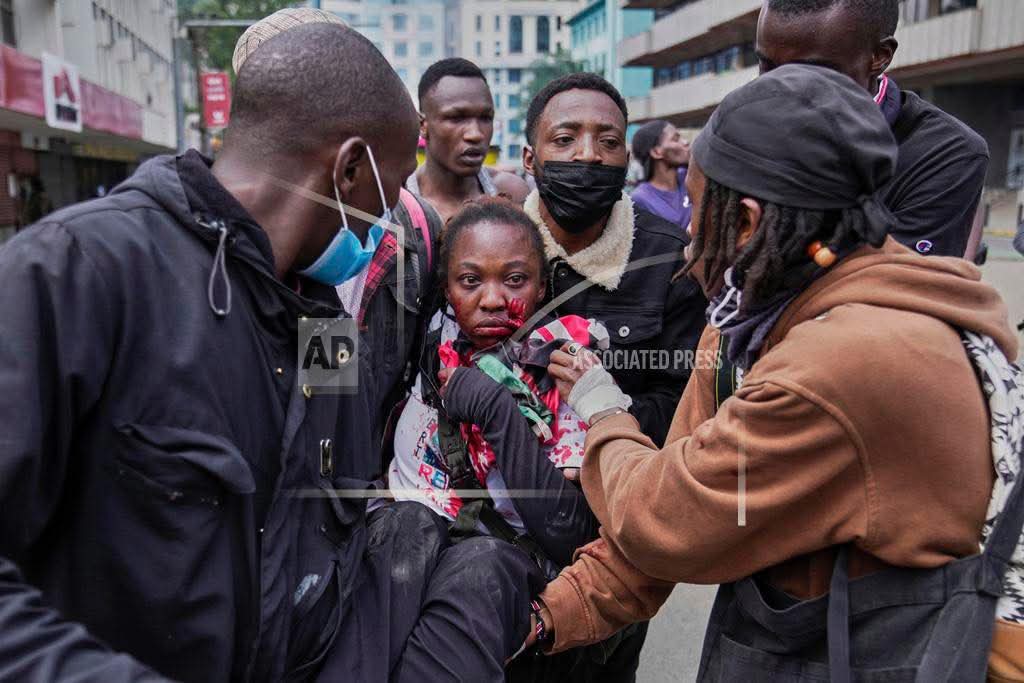
The protests, staged on June 25 to mark the anniversary of last year’s anti-tax demonstrations, turned into a national crisis after at least 16 people were killed and over 400 others injured in confrontations between protesters and police. Human rights groups say most of the deaths resulted from gunshot wounds, raising alarm over possible extrajudicial killings.
Amnesty International and the Kenya National Commission on Human Rights have confirmed the death toll and described the government’s response as a gross violation of human rights. Among the injured are journalists, medics, and students — many of them with bullet wounds.
In the viral footage, Murkomen declares:
“This is not a protest; this is an insurrection. If they cross the line, shoot to kill. We must restore order at all costs.”
The CS has since defended his remarks, claiming the demonstrations were part of a “well-coordinated coup attempt” aimed at toppling the Kenya Kwanza government.
“We foiled a plan to paralyze the state. This was domestic terrorism disguised as a protest,” he told journalists outside Harambee House.
But rights defenders, lawyers, clergy, and opposition leaders have slammed Murkomen’s justification. The Law Society of Kenya called the directive “criminal and unconstitutional,” while Human Rights Watch urged President William Ruto to immediately suspend Murkomen and launch an independent inquiry.

The protests were fueled by growing anger over police brutality, youth unemployment, the rising cost of living, and the suspicious death of activist blogger Albert Ojwang, who allegedly died in police custody days before the demonstration.
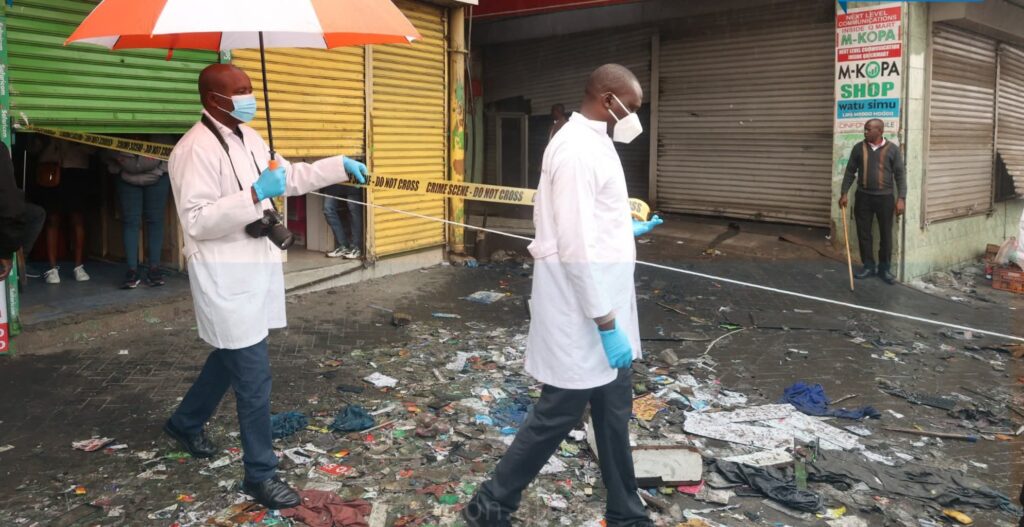
In Nairobi, Kisumu, Eldoret, Nakuru, and Mombasa, protesters barricaded roads and stormed police stations, while police responded with tear gas, rubber bullets, and live ammunition. Eyewitness footage posted to social media shows unarmed youth being chased and shot at point-blank range.
The government maintains that it was acting in self-defense, with CS Murkomen insisting that 23 counties were on the brink of anarchy. But international pressure is mounting, with the UN Human Rights Office, the African Union, and several foreign embassies expressing “grave concern” over Kenya’s handling of the protests.
A multi-county memorial service for the victims is scheduled for Monday. Meanwhile, civil society groups are calling for a national day of mourning, police reform, and a judicial commission of inquiry into what they are now calling “Kenya’s Black Wednesday.”
