


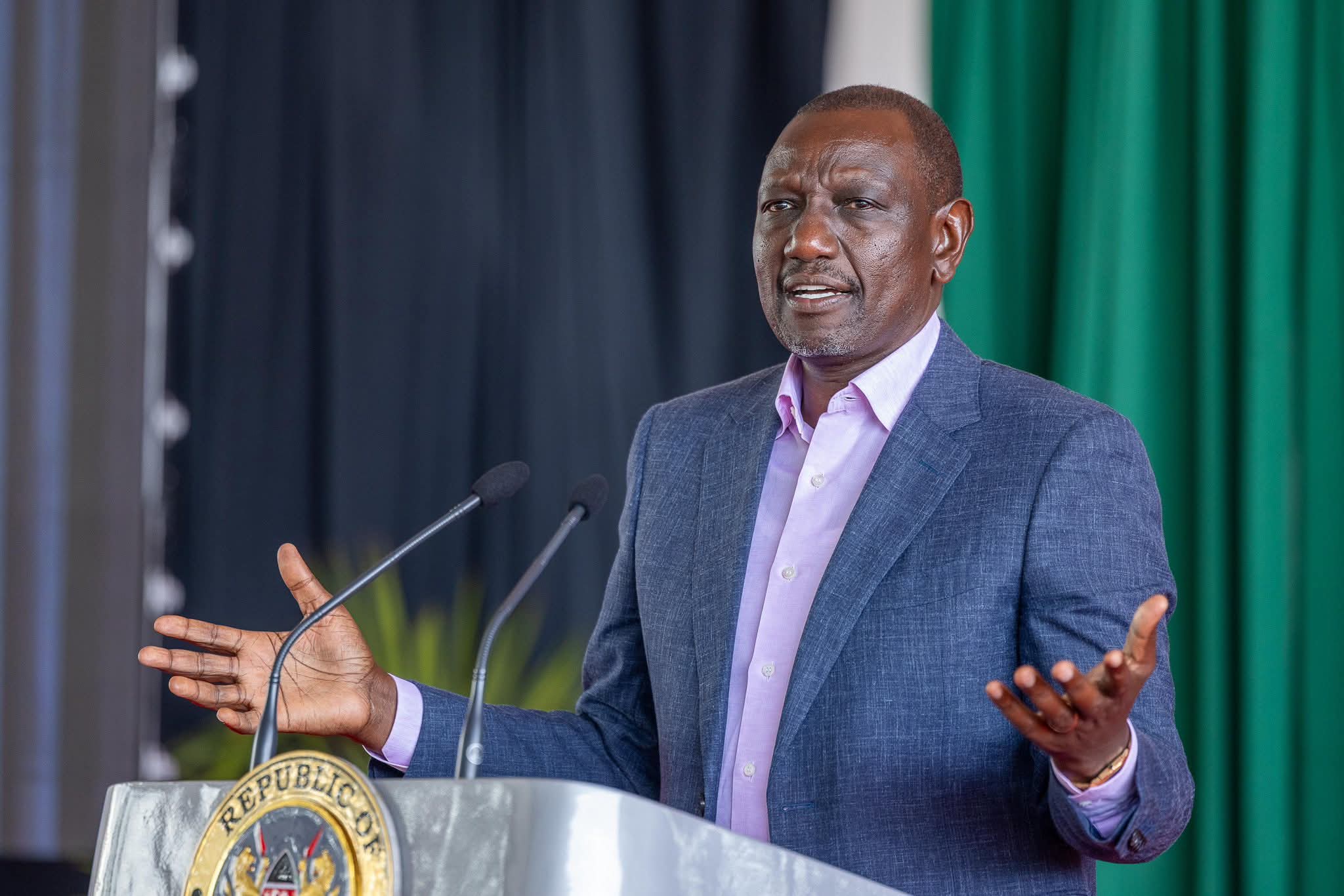
President William Ruto has sparked a fresh wave of public debate after confirming the construction of a multi-billion-shilling church within the State House compound—an unprecedented move in Kenya’s history.
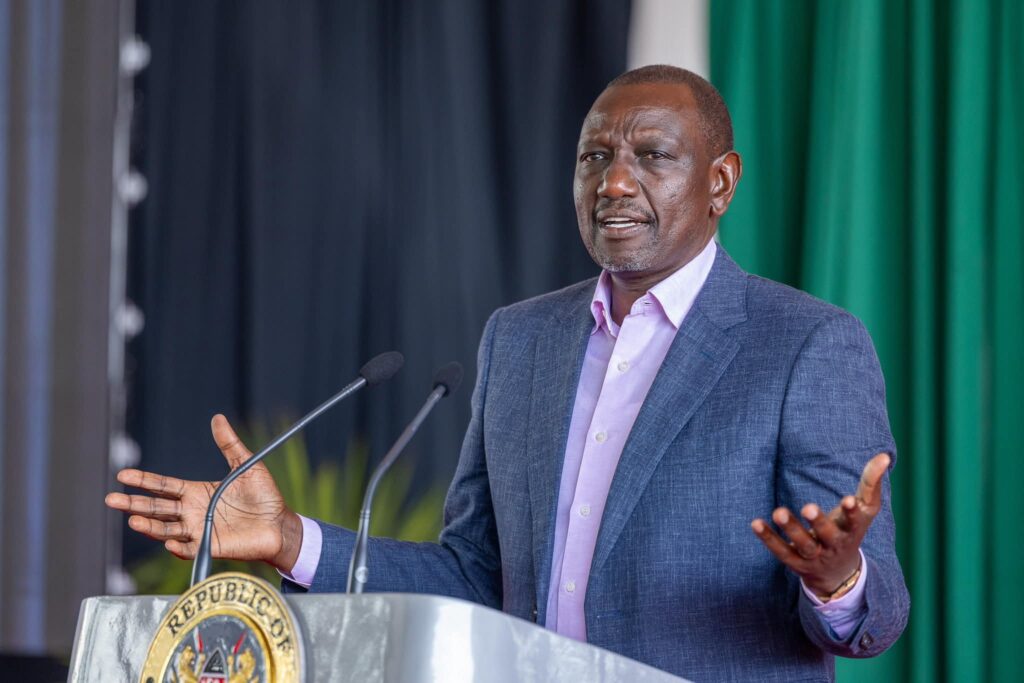
The President, addressing growing criticism over the project, stood firm in his decision and declared unapologetically, “I will continue building churches; I need no permission from anyone.” He confirmed the project, estimated to cost a staggering Ksh 1.2 billion, is well underway, adding that it will not cost taxpayers “a single cent” as the money is coming directly from his own pocket.
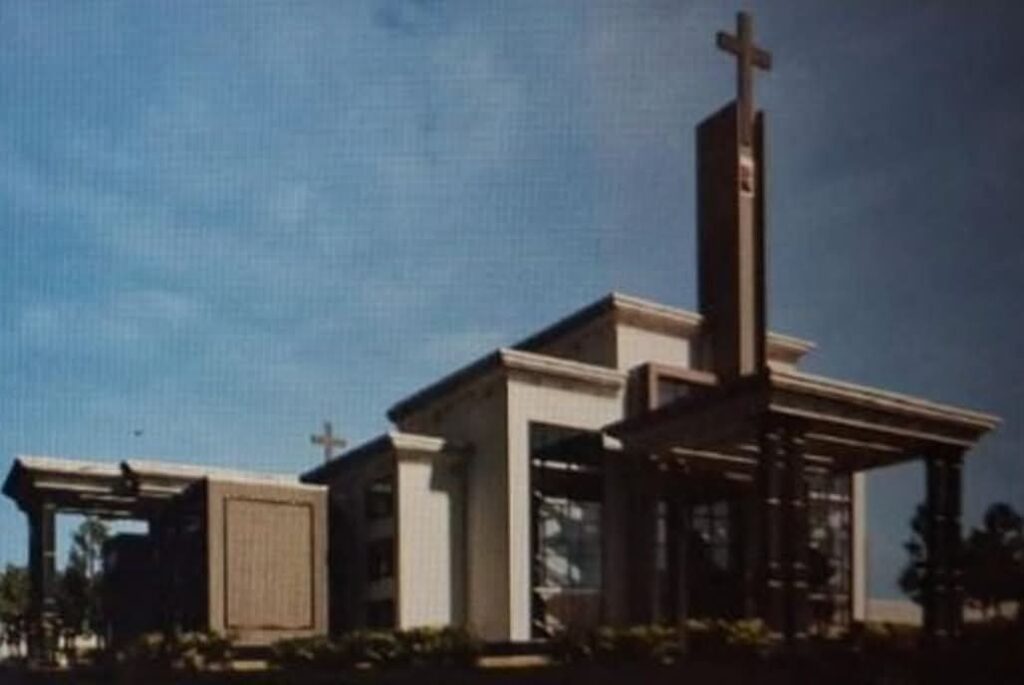
The mega-church, reportedly designed to accommodate up to 8,000 worshippers, is being built near the presidential helipads within the heavily guarded State House grounds. Featuring a blend of neoclassical and modern religious architecture—including arched windows, large crosses, and a towering spire—the sanctuary is being discreetly supervised by Ruto himself.
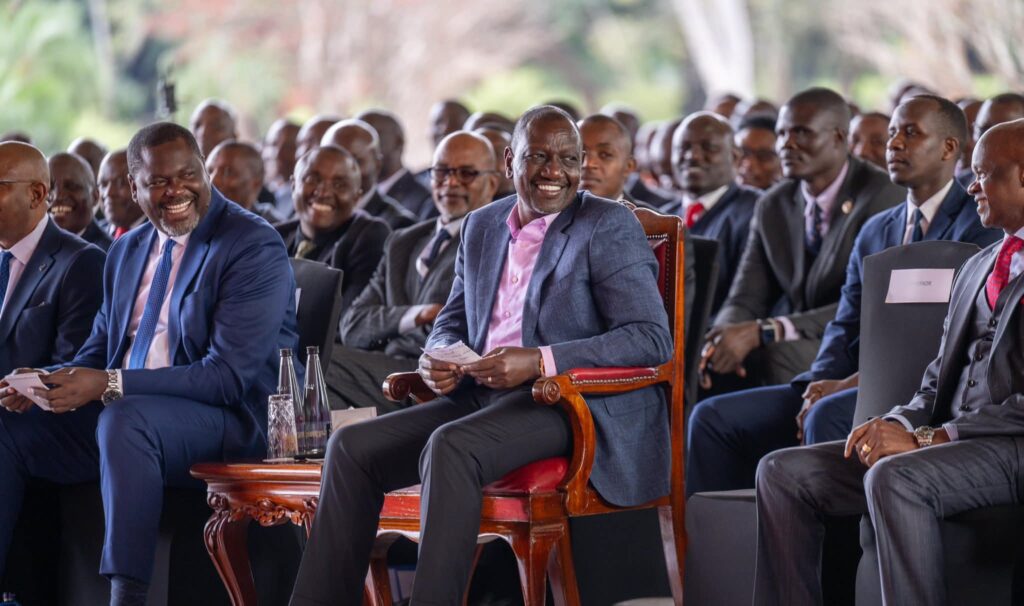
Despite the President’s assertion that the funding is personal, critics and constitutional experts have raised red flags. They argue that constructing a denominational church inside a national government facility violates Article 8 of the Kenyan Constitution, which declares Kenya a secular state and prohibits the establishment of any religion by the state.
“This project, regardless of who pays for it, raises serious questions of constitutionality and religious neutrality,” said Dr. Martha Wekesa, a governance expert. “The symbolism of a church within the official seat of power alienates non-Christian citizens and may be interpreted as state favoritism.”
Sources close to State House claim that President Ruto’s personal donation includes an initial Ksh 20 million, with further financial support allegedly being mobilized through his inner circle of wealthy business and church allies.
The church initiative aligns with the President’s well-documented Christian devotion. He has been a frequent figure in national prayer meetings, gospel crusades, and local church fundraisers. But his increasing entwinement of faith and governance is prompting concerns that he is blurring the line between state and religion.
For now, construction continues—quietly but firmly—inside the country’s most secure address. And as the debate intensifies, one thing is clear: President Ruto is determined to leave a spiritual stamp on the presidency, one church at a time.
