


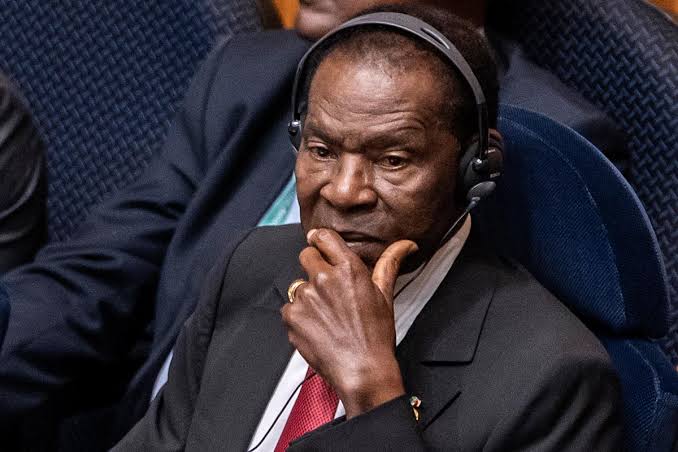
Equatorial Guinea’s ruling dynasty has been shaken this week after two close relatives of President Teodoro Obiang Nguema Mbasogo were jailed in separate corruption scandals, marking one of the country’s most dramatic crackdowns on elite impunity.
Ruslan Obiang Nsue: Presidential Son Convicted Over Plane Sale
On Tuesday, August 26, a provincial court in Bioko found Ruslan Obiang Nsue, the president’s 50-year-old son and former head of the national airline Ceiba Intercontinental, guilty of the illegal sale of an ATR 72-500 aircraft.
The plane, which had been undergoing maintenance in Spain since 2018, disappeared after Nsue allegedly sold it to a Spanish company and pocketed the proceeds. The court sentenced him to six years in prison, a term he can avoid if he refunds approximately $255,000 to the airline in addition to damages and fines.

He was, however, acquitted of separate charges of abuse of office and embezzlement. Nsue had been under house arrest since 2023 on the orders of Vice-President Teodoro Nguema Obiang Mangue, his half-brother.
Baltasar Ebang Engonga: Presidential Nephew Jailed for Embezzlement
Barely a day later, on Wednesday, August 27, the same court convicted Baltasar Ebang Engonga, a nephew of the president and former head of the National Financial Investigation Agency, on charges of embezzling public funds disguised as travel expenses.
The 55-year-old was sentenced to eight years in prison and fined 125.4 million CFA francs (about $222,000). The tribunal established that Engonga diverted amounts ranging between $8,900 and $221,500, claiming them as travel and mission expenses already covered by the state.
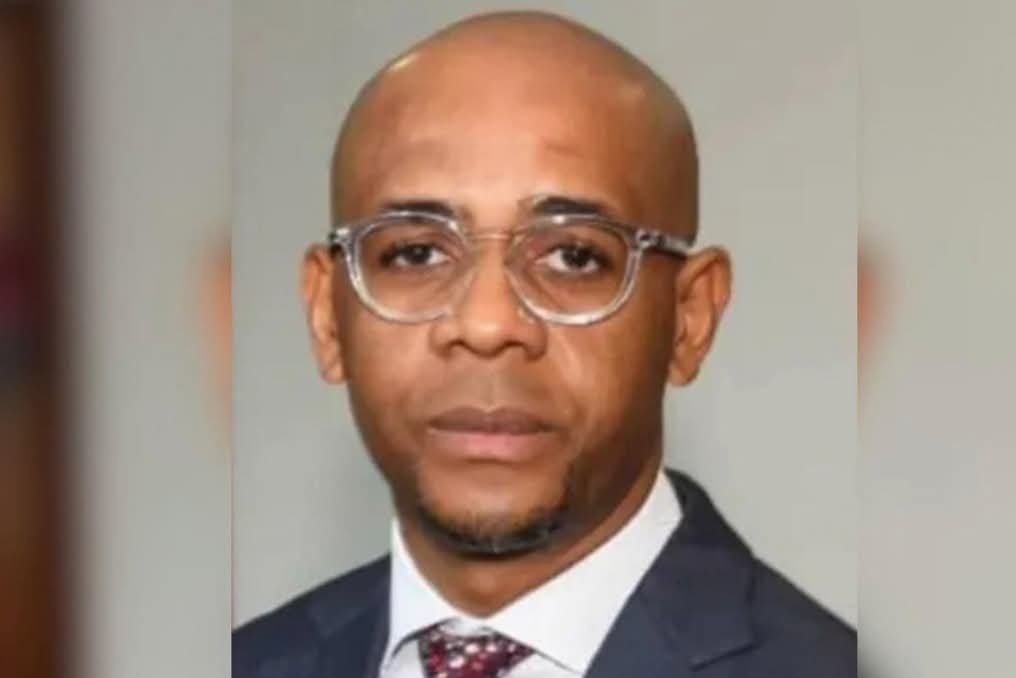
His conviction comes less than a year after he was disgraced by the leak of more than 400 sex tapes showing him with women, including wives of senior officials—some reportedly filmed inside his ministry office. The scandal, which went viral internationally, amplified calls for accountability within the ruling class.
A Rare Double Blow to the Obiang Dynasty
The sentencing of both a presidential son and a presidential nephew within 48 hours underscores a rare moment of judicial action against Equatorial Guinea’s powerful ruling family, which has held power since President Obiang seized control in 1979.
The Political Undercurrent
Analysts suggest that the rulings may reflect deeper struggles within the Obiang dynasty as the 43-year-old Vice-President Teodoro Nguema Obiang Mangue (“Teodorín”) maneuvers to consolidate power as his father’s likely successor. By sidelining rival relatives tarnished by scandal, Teodorín strengthens his position while the regime projects a façade of anti-corruption reform to appease critics at home and abroad.
Still, observers caution that without structural reforms, independent institutions, and transparency, these high-profile convictions risk being seen less as genuine accountability and more as signs of shifting loyalties within one of Africa’s longest-running dynasties.
