


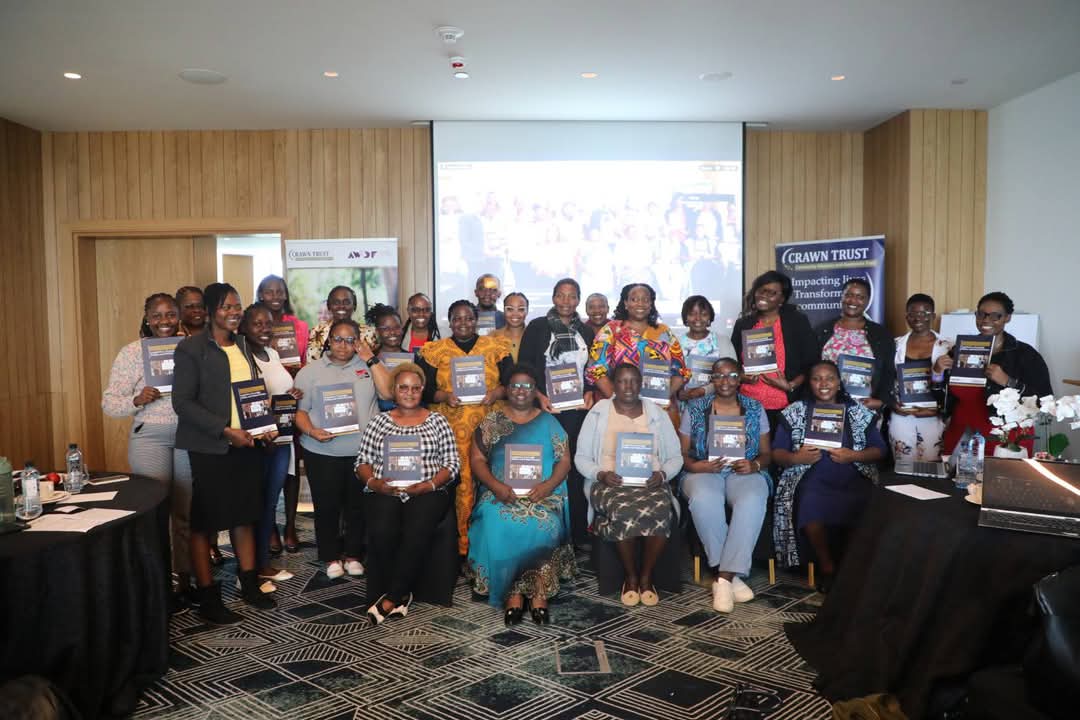
In a significant step toward addressing the systemic exclusion of women from political leadership, the CRAWN Trust today launched its Gender Audit Report on Women’s Representation and Participation in Legislative, Oversight Bodies, and Political Parties. The comprehensive assessment, backed by the African Women’s Development Fund, offers a rare, unflinching look into the structural and social barriers that continue to undermine women’s full participation in Kenya’s political processes.
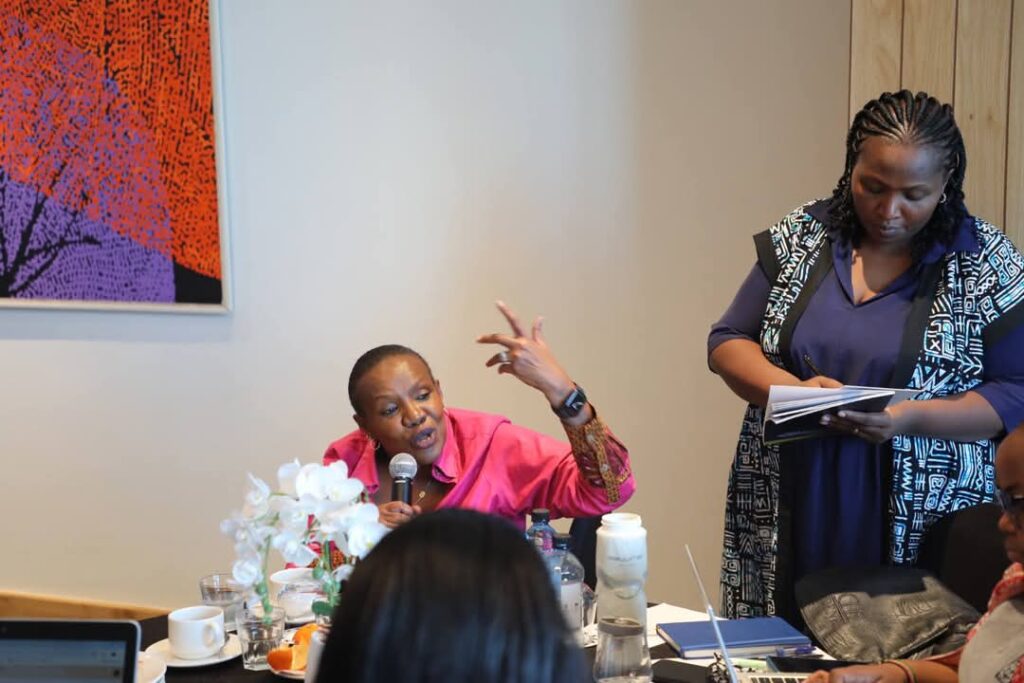
Through a gender-focused analytical lens, the report traces how women remain severely underrepresented across critical spaces of power — from Parliament and County Assemblies to executive roles and political party leadership. Despite years of advocacy and constitutional mandates, the findings confirm what many women in politics have long experienced: that meaningful inclusion is still far from being realized.
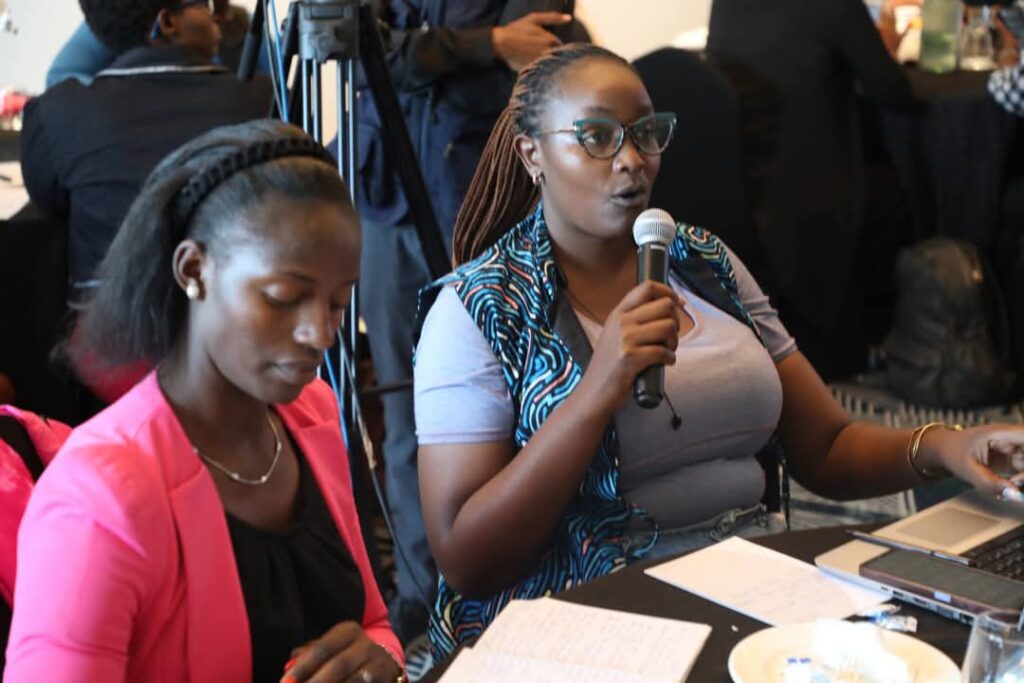
At the heart of the report lies a stark truth — that traditional gender roles, social expectations, and the invisible labor of care continue to dictate the pace and extent of women’s political engagement. Women, especially those juggling domestic responsibilities, often find themselves stretched too thin to pursue leadership roles. These social constraints, though rarely quantified in policy, are among the most limiting factors in a woman’s political journey.
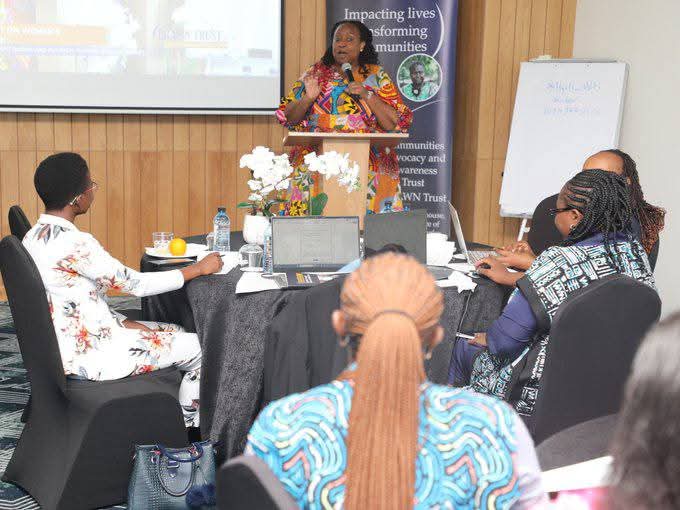
Even more troubling is the enduring shadow of gender-based violence, which the report highlights as a critical deterrent. Whether in the form of harassment, threats, or intimidation during campaigns, the emotional and physical toll remains a silent force discouraging many from even stepping forward. This is compounded by the lack of access to crucial enablers — resources like campaign funding, quality education, and political mentorship, all of which remain concentrated in male-dominated networks.
A voice from the ground, quoted in the report, captures the lived reality with haunting clarity. A young woman from Kisumu County recounts how, despite her efforts to run for office, she was pushed out to make way for a party-favored candidate. “Young female politicians like me are usually rigged out when you start off without the support and mentorship of the political big wigs. I was forced to give up my position… if you’re not nominated by the dominant party, you automatically lose.” Her words reflect a broader trend where women are often treated as placeholders rather than serious contenders.
The report also draws attention to the deepening divide between urban and rural women. While urban women may face obstacles around visibility and credibility, their rural counterparts contend with even more complex challenges — early marriages, female genital mutilation, school dropouts, and lifelong economic dependency. These factors, deeply rooted in cultural practice, strip young girls of opportunities long before they ever encounter a ballot paper.
Crucially, the audit doesn’t treat financial empowerment as a silver bullet. While access to income is framed as essential, the report argues that this must be matched by the ability to mobilize communities, speak with conviction in public spaces, and build resilient networks of support. Without these, financial empowerment alone cannot tip the scales.
Rather than prescribing a universal fix, CRAWN Trust advocates for an intersectional, nuanced approach to addressing the gap. The solutions, it suggests, lie in building momentum through deliberate political inclusion, sustained grassroots advocacy, and shifting societal attitudes — not only among women, but also among men who continue to wield the bulk of political influence.
As Kenya continues to evolve democratically, the report stands as both a reflection and a challenge. It reflects the resilience of women who, despite the odds, continue to seek political space. At the same time, it challenges the nation to reckon with the institutional and cultural structures that must be dismantled for true equality to take root.
