



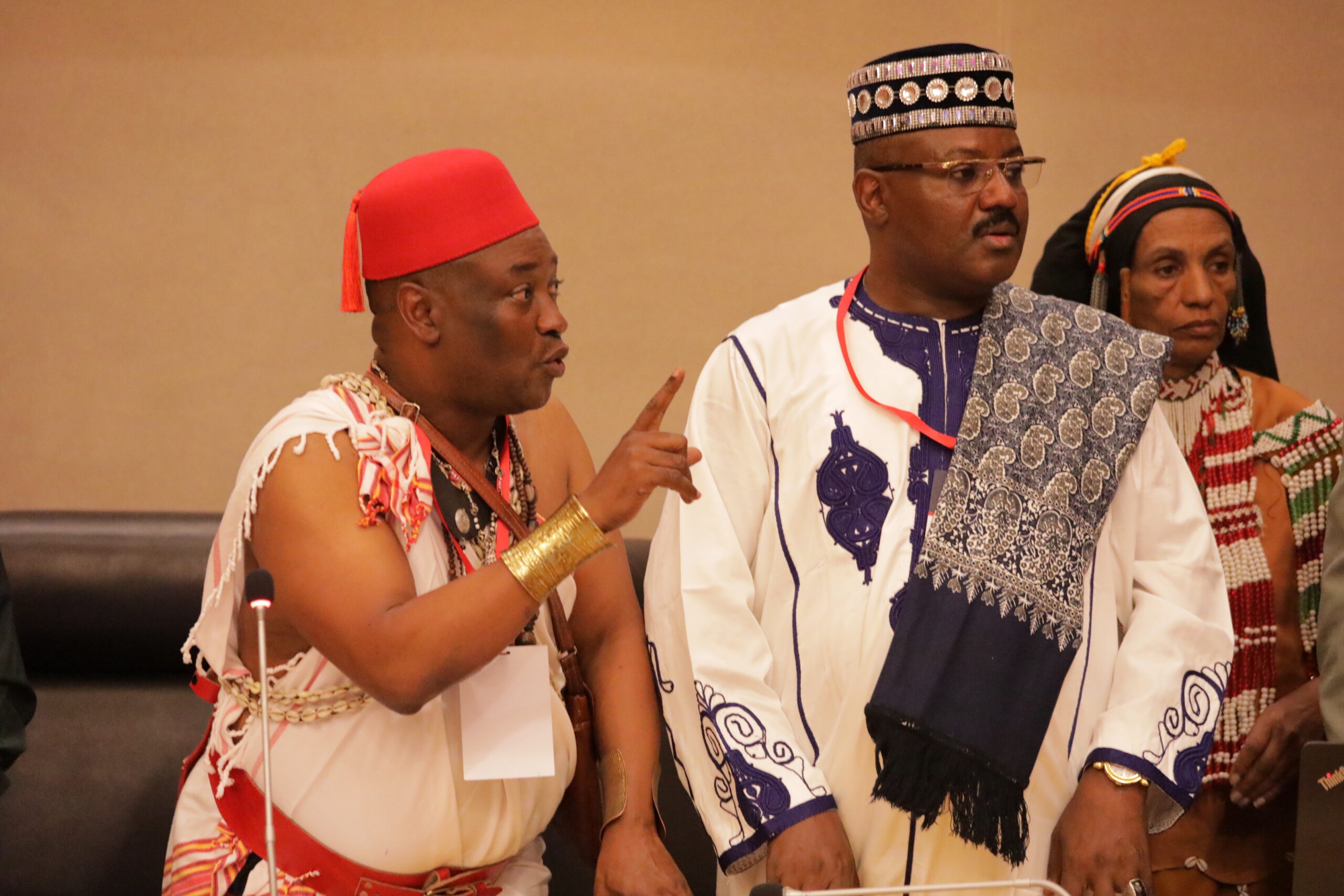
Anzauni Chief Kyalo Muli has challenged Wiper Party leader Kalonzo Musyoka to consult traditional leaders and the wider Kamba community before making political commitments that could see him support another presidential candidate in the 2027 General Election.
Muli questioned Kalonzo’s readiness to sacrifice his presidential ambitions in pursuit of opposition unity, arguing that the Wiper leader should first seek the views of the community that has supported his political career for more than four decades.
The traditional leader’s intervention follows Kalonzo’s declaration during the burial of former Deputy President Rigathi Gachagua’s sister, Eunice Nyangari Gachagua, that he was prepared to shelve his presidential ambitions and support whoever emerges as the opposition coalition’s flagbearer.
📊 Channel 15 News Opinion Poll
Kalonzo said he was willing to sign a unity agreement committing all participating opposition leaders to supporting the eventual presidential candidate, in a move aimed at preventing President William Ruto from securing a second term.
Although Kalonzo did not specifically endorse Nairobi Senator Edwin Sifuna or announce an agreement to deputise him, his remarks have triggered speculation about possible political arrangements involving the younger opposition politician.
In a statement issued on November 15, 2026, through the Office of the Anzauni Chiefdom, Muli said decisions with far-reaching implications for Ukambani’s political future should not be made without consulting the community.
“As a Kamba traditional leader, I do not accept those words,” Muli said.
He argued that Kalonzo’s political standing was inseparable from the support he had received from the Kamba community, insisting that the people who helped build his political career deserved a voice in decisions concerning his future.
“Kalonzo Musyoka is only where he is because of his community. The Kamba community made him. The Kamba community lifted him. The Kamba community has stood with him for over 40 years,” he said.
Muli questioned whether elders, clan representatives, women and young people from the region had been consulted before Kalonzo expressed willingness to step aside in favour of another opposition candidate.
“When did the Kamba elders sit? When did the clans sit? When did the mothers and the youth sit?” he posed.
He called on Kalonzo to organise consultations across Kitui, Makueni and Machakos, specifically identifying the Anzauni, Aombe and Amutei clans among those whose leaders should be involved.
“If Kalonzo wants to deputise Sifuna, let him first come to Kitui, to Makueni, to Machakos. Let him sit with the Anzauni, the Aombe, the Amutei, and all the clans of Ukambani,” Muli said.
The chief maintained that consultation was a fundamental principle of traditional leadership and that political decisions affecting an entire community should reflect collective views rather than individual preferences.
“In our tradition, a leader does not decide alone. He consults. He listens. He returns with the voice of the people, not his own voice,” he said.
Muli warned that failure to involve the community could undermine the legitimacy of any political arrangement made in its name.
“If he does not do that, then he is not representing us. He is representing himself,” he said, adding that the community remained free to consider alternative political leadership if its concerns were ignored.
The chief also raised concerns about Ukambani’s political bargaining power, citing what he described as years of marginalisation, poverty and underdevelopment.
He argued that the region should use its political influence to secure meaningful representation and development commitments rather than allow its support to be taken for granted.
“The Kamba are not a ladder for one man to climb. We are a people with dignity,” he said.
Muli’s intervention introduces a fresh dimension to the debate over Kalonzo’s repeated political compromises in pursuit of opposition unity, particularly the question of whether the Kamba community should continue backing arrangements that require its most prominent political figure to abandon his presidential ambitions.
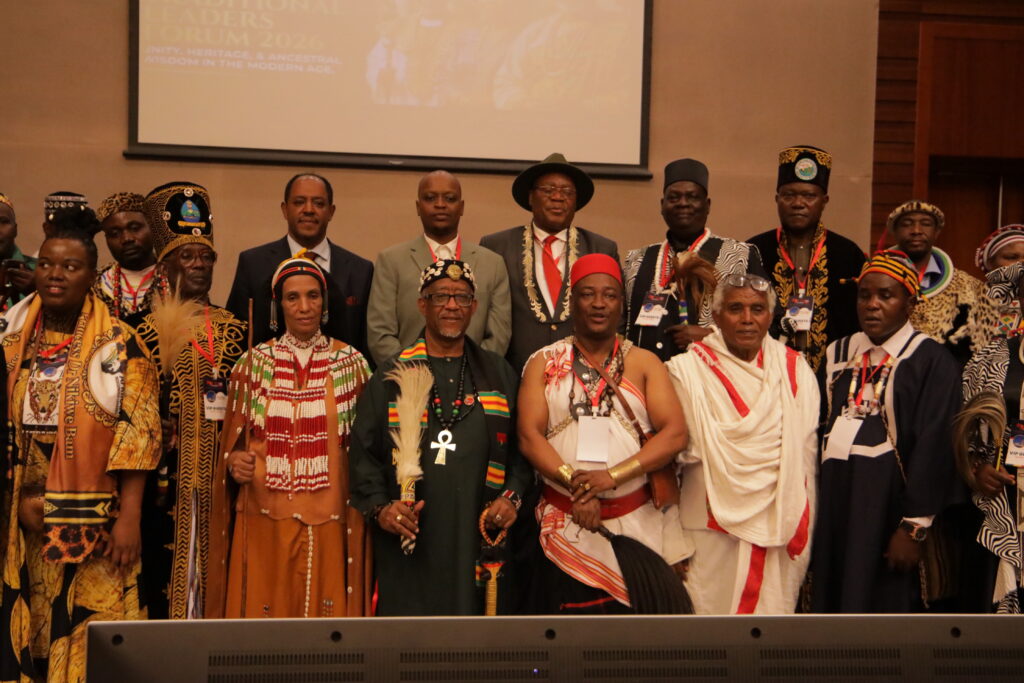
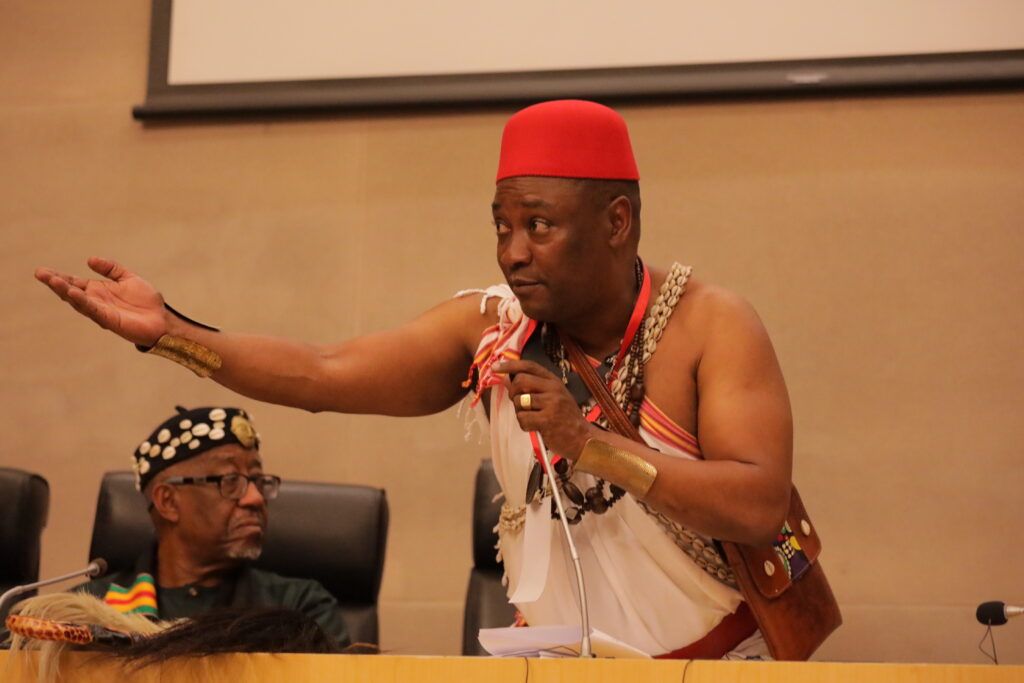
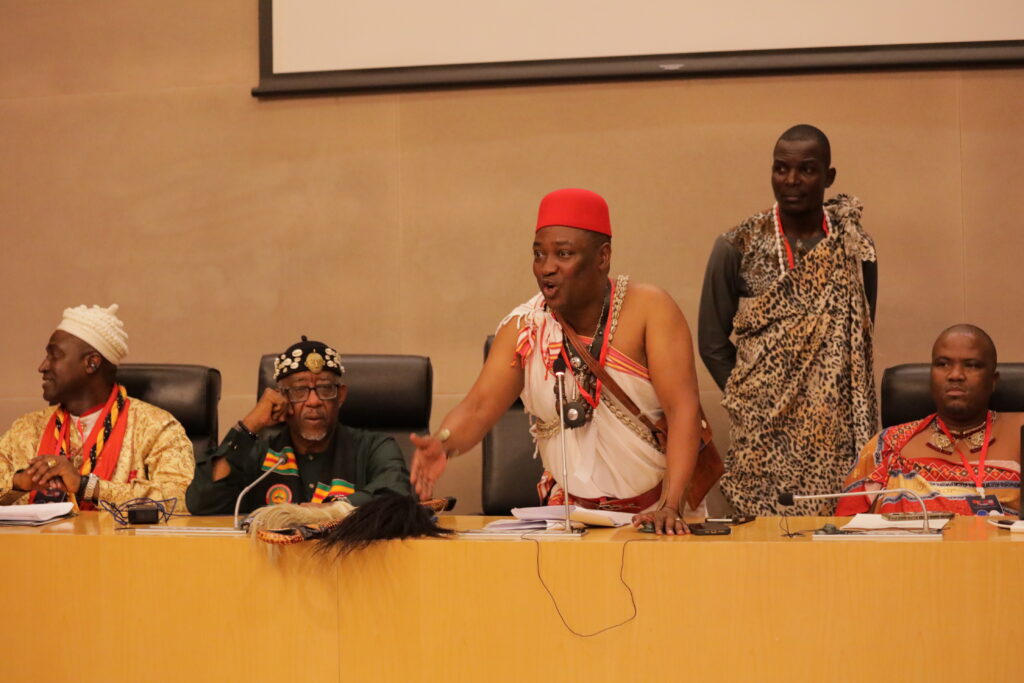
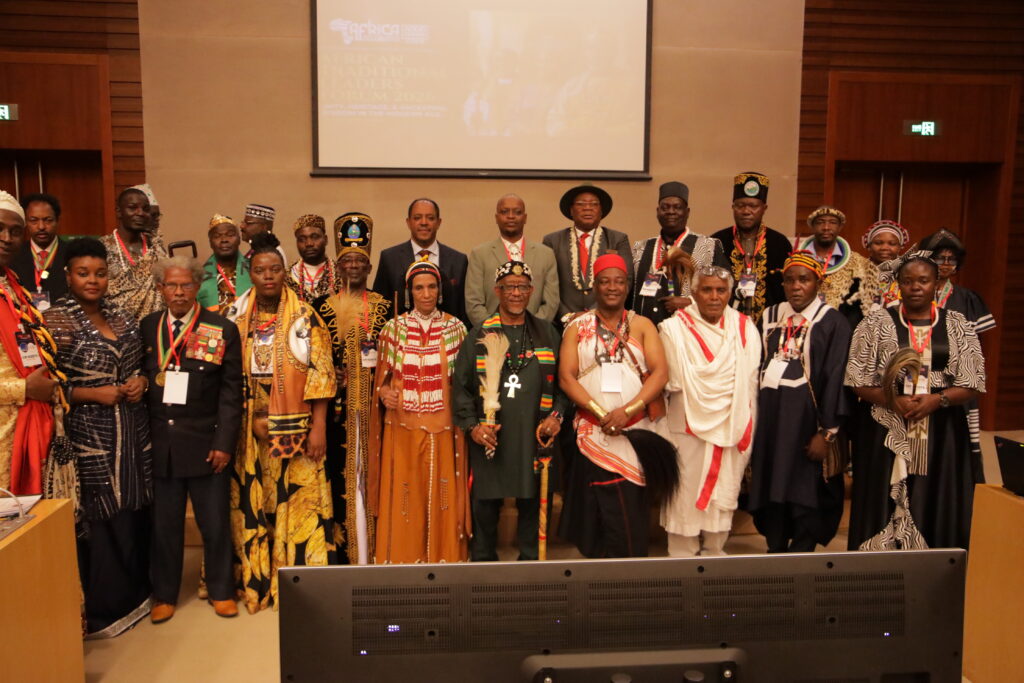
The chief issued the statement from Addis Ababa, Ethiopia, where he is attending the African Traditional Leaders Forum at the African Union Headquarters.
Muli is participating as a founder member of the African Traditional Leaders Council (ATLC) and is serving as Speaker and Moderator for Thematic Area Four, which focuses on Traditional Governance, Indigenous Economies and Sustainable Development.
His remarks come as opposition leaders intensify consultations ahead of the 2027 elections, with the search for a common presidential candidate increasingly raising questions about regional interests, political representation and the distribution of power within a possible coalition.
