



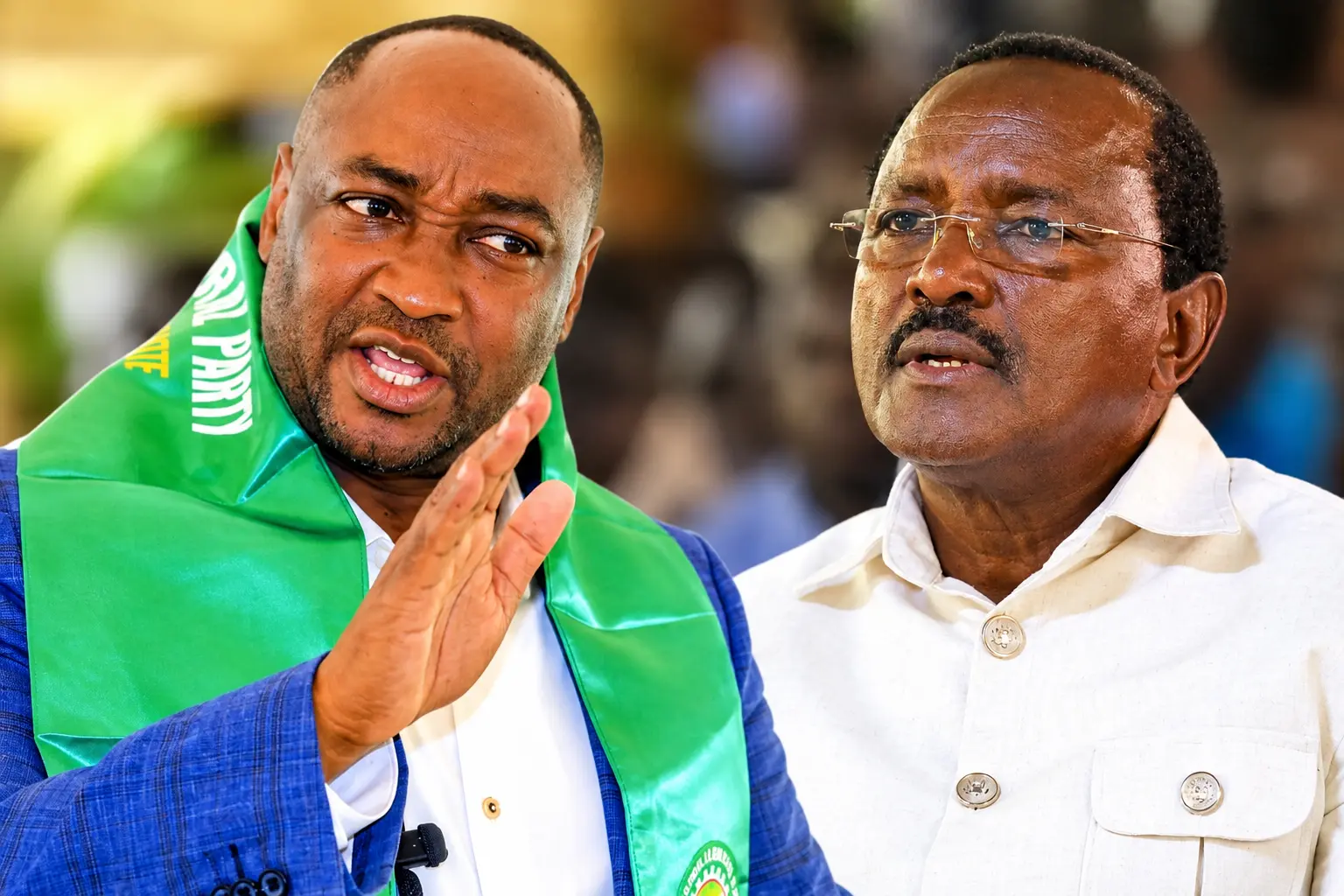
NLP leader questions Wiper’s commitment to multiparty democracy as he revisits Kalonzo’s political history and defends his party’s Azimio exit.
National Liberal Party (NLP) leader Augustus Muli has challenged Wiper leader Kalonzo Musyoka over remarks by party chairman Jamleck Kamau describing members of rival political parties as “moles” and “wheelbarrows”, reopening debate over political pluralism and leadership in Ukambani.
In a strongly worded statement, Muli questioned whether Kalonzo’s presidential ambitions accommodate competing political interests, arguing that Kenyans have a constitutional right to belong to any political party without intimidation or ridicule.
📊 Channel 15 News Opinion Poll
He said political leaders seeking national office should earn public confidence through persuasion and respect for democratic competition rather than expect unquestioning loyalty.
Muli also revisited Kalonzo’s political history under the former KANU government, arguing that his record during Kenya’s one-party era deserves scrutiny as he positions himself for national leadership.
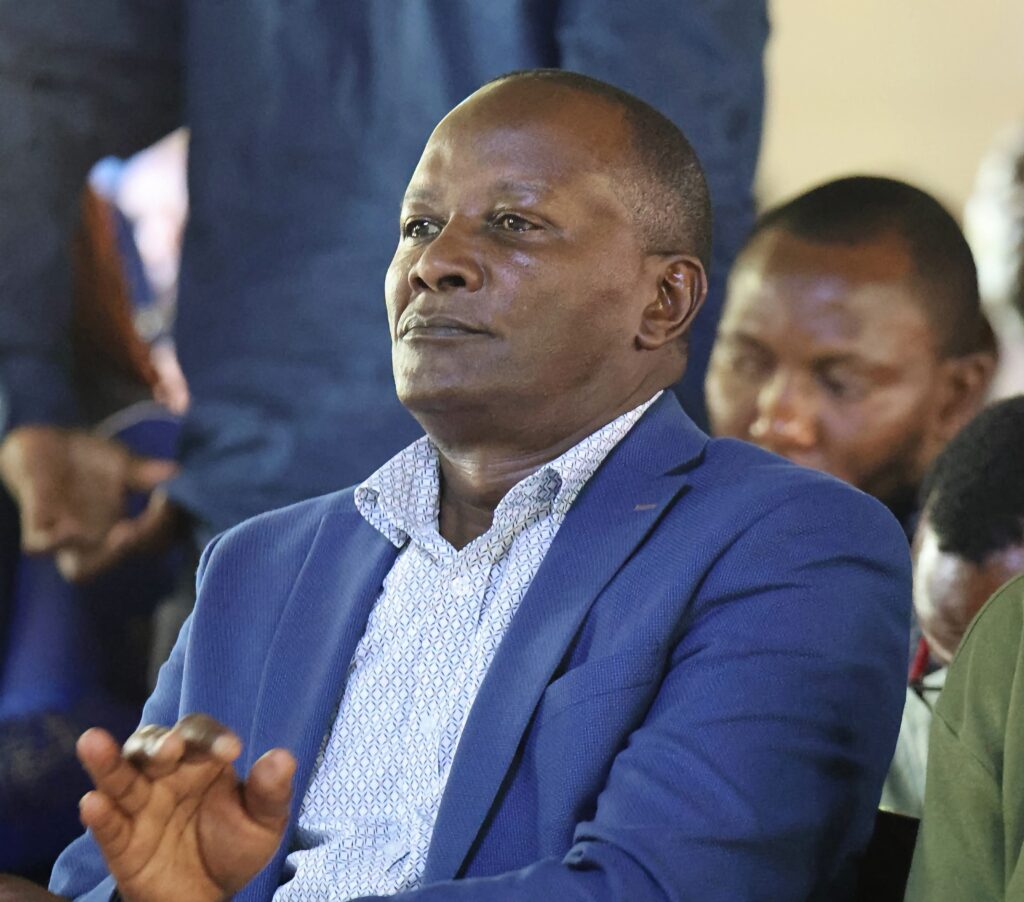
Kalonzo entered Parliament in 1985, when KANU was the country’s only legally recognised party. He became Assistant Minister for Works in 1986 and Deputy Speaker of the National Assembly in 1988, later serving as KANU’s National Organising Secretary.
The NLP leader particularly cited the June 1989 parliamentary controversy in which Nation journalists were barred from covering parliamentary proceedings for four months following a parliamentary motion against the newspaper.
The Washington Post reported the ban on June 30, 1989, as part of wider concerns over restrictions on press freedom under President Daniel arap Moi. Muli links Kalonzo, then Deputy Speaker, to the parliamentary action.
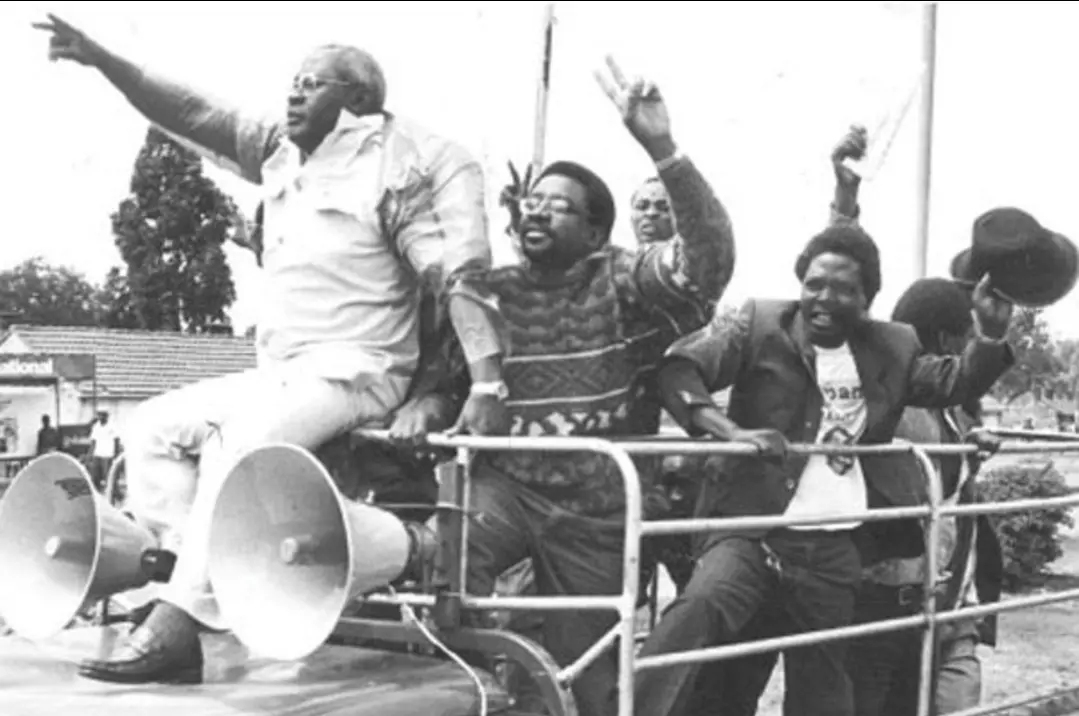
He also questioned Kalonzo’s position during the July 7, 1990 Saba Saba protests, when thousands of Kenyans demanded multiparty democracy at Nairobi’s Kamukunji Grounds. Muli alleges that on July 10, Kalonzo defended the Moi administration in Parliament and questioned the demonstrators’ actions.
Kalonzo remained in KANU after the reintroduction of multiparty politics, becoming Foreign Affairs Minister in 1993, before leaving the party in 2002.
Beyond the historical debate, Muli linked Kamau’s remarks to NLP’s recent withdrawal from the Azimio la Umoja One Kenya Coalition, describing the decision as an assertion of political independence rather than hostility towards Kalonzo.
He argued that coalition partnerships must respect the autonomy of constituent parties, allowing them to organise, negotiate and pursue their own political ambitions.
Muli further rejected the idea that Wiper or any individual leader exclusively represents Ukambani’s political interests, insisting that residents have the right to support different parties while pursuing common development priorities.
He cited water, employment, education, healthcare and infrastructure as issues requiring regional cooperation, regardless of political affiliation.
The dispute adds to questions surrounding opposition unity and competing political ambitions ahead of the 2027 General Election.
Muli maintained that political differences should not undermine cooperation, arguing that the true measure of democratic leadership is how leaders treat those who disagree with them.
Ultimately, the dispute presents a broader test for Ukambani’s political leadership as the 2027 elections approach, with competing ambitions, coalition negotiations and questions of regional representation likely to shape the political landscape. While Kalonzo retains the right to pursue his presidential ambitions and Wiper to mobilise support for him, NLP and other political formations are equally entitled to chart their own political paths. Whether the region’s leaders can accommodate these differences while negotiating a common development agenda could prove central to their influence in the next political dispensation.
