



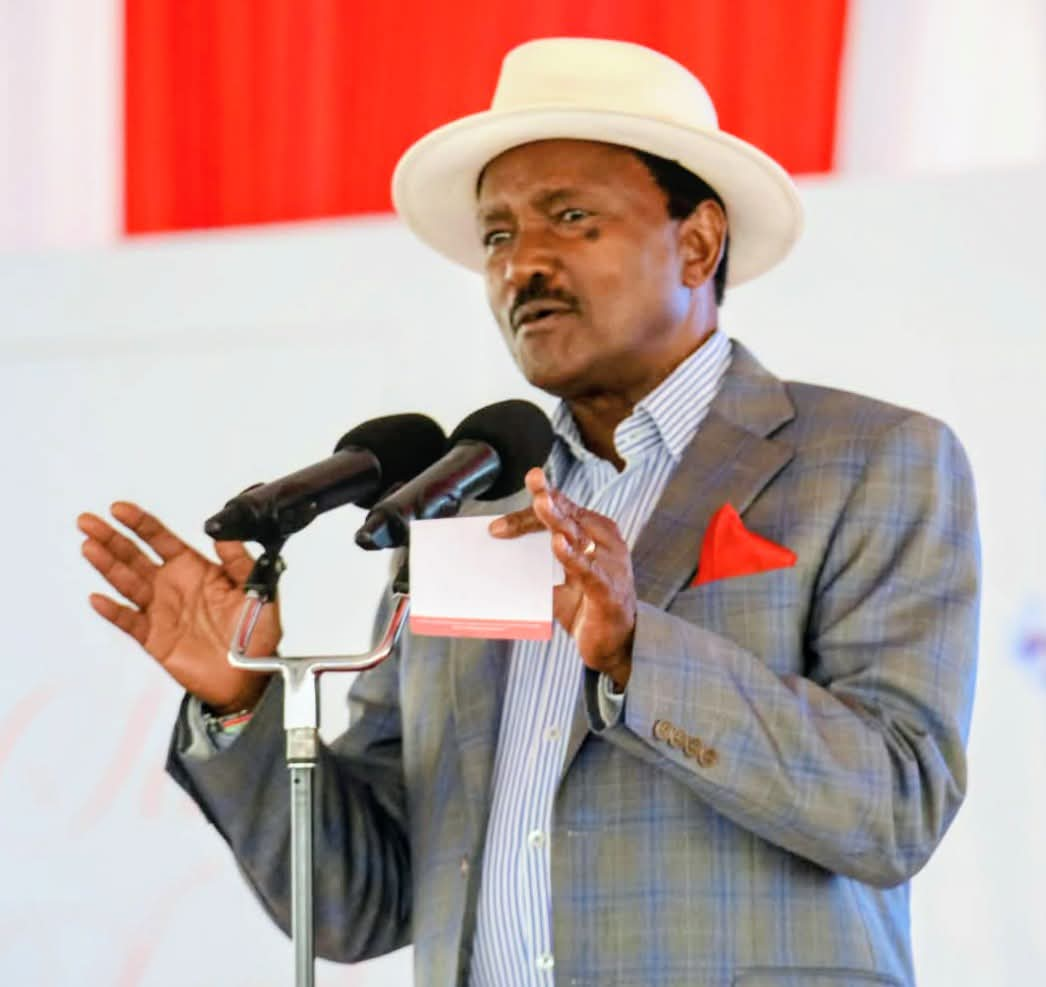
Wiper Party leader Kalonzo Musyoka has turned his attention to his political backyard, challenging Ukambani leaders to do more to defend the party’s influence as competing political forces increasingly seek to establish themselves in the region ahead of the 2027 General Election.
The former Vice President questioned the commitment of leaders who have publicly associated themselves with his presidential ambitions, warning that their failure to mobilise behind him could weaken Wiper’s political position in its traditional stronghold.
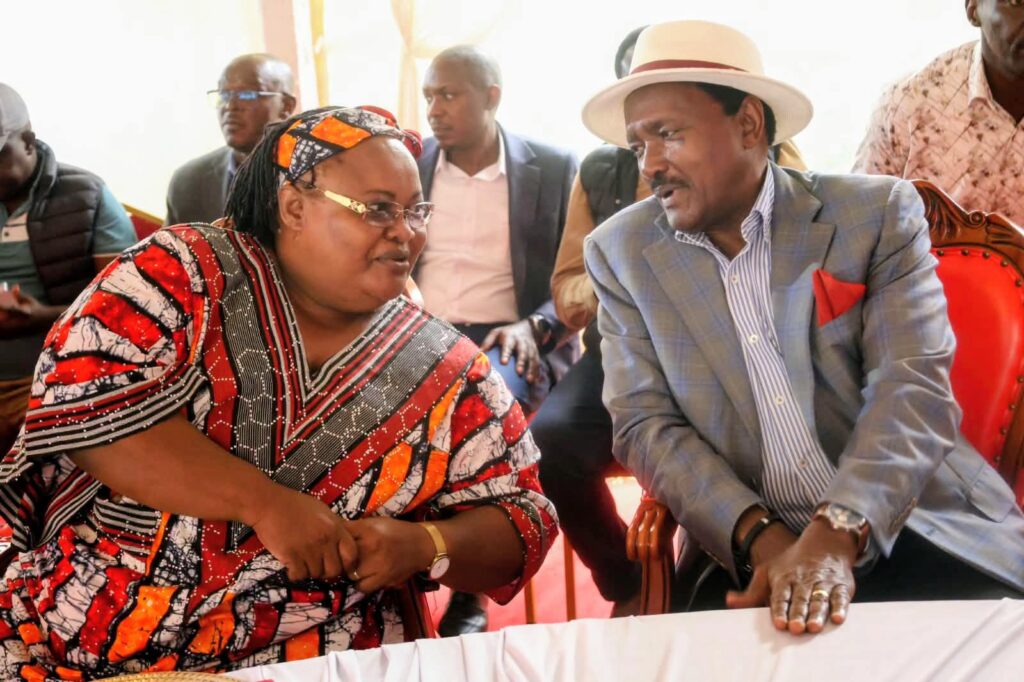
His remarks, delivered in Machakos on Saturday, October 31, came barely a day after he was heckled by supporters of Nairobi Senator Edwin Sifuna during the unveiling of the Linda Mwananchi Movement headquarters in Lavington, Nairobi.
📊 Channel 15 News Opinion Poll
The incident appears to have exposed more than the growing rivalry over who should lead the opposition into the 2027 presidential contest. It has also raised questions about the strength of Kalonzo’s political machinery and whether his allies are doing enough to protect his interests at a time when the region is attracting renewed political attention.
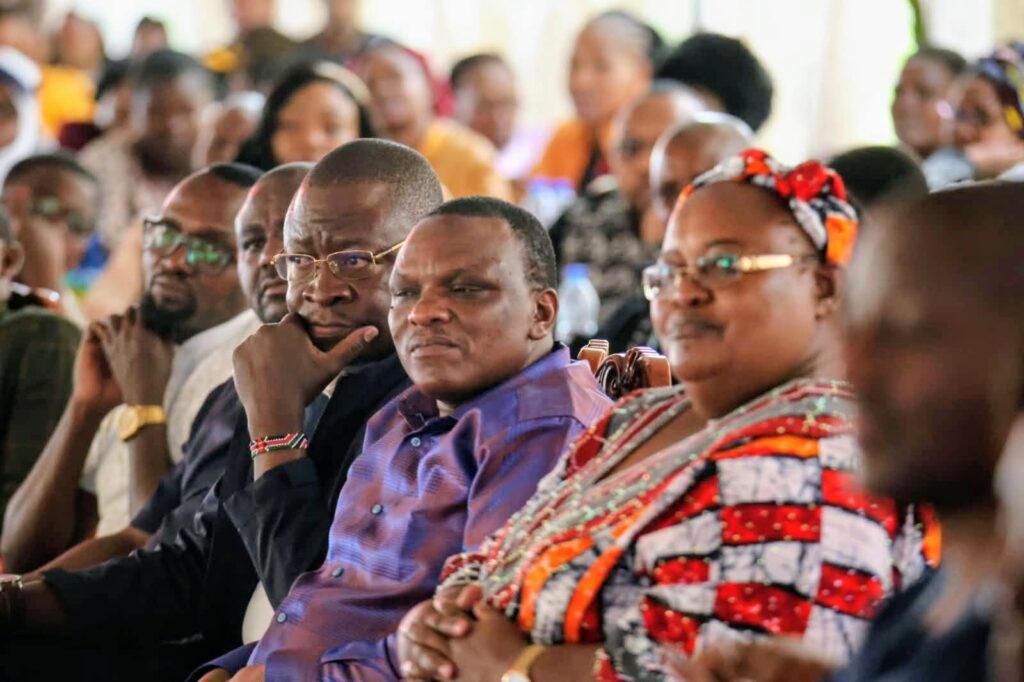
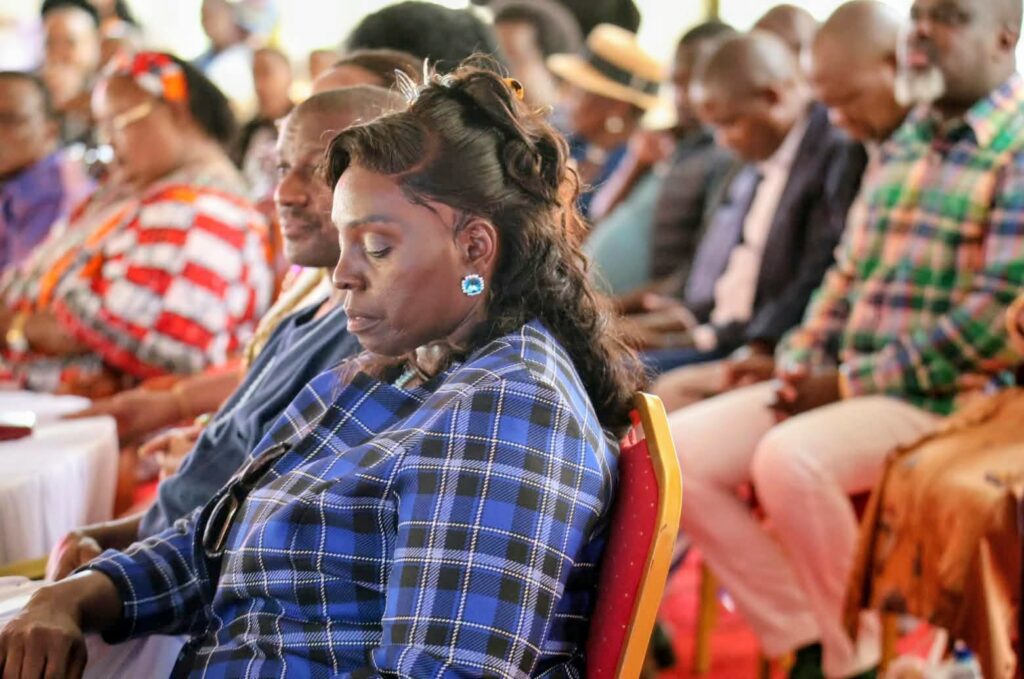
Speaking during a house-opening ceremony for Machakos Senator Agnes Kavindu, Kalonzo challenged his supporters to demonstrate their commitment through organised political mobilisation rather than merely expressing support for his candidature.
He recalled how he assessed the Wiper delegation at the Nairobi event, comparing its numbers with the entourages accompanying other opposition leaders.
Kalonzo noted that Democracy for the Citizens Party (DCP) leader Rigathi Gachagua had arrived with a sizeable group of leaders and supporters, while the Wiper delegation appeared relatively small.
He urged his political allies to move as a united team, signalling his frustration with what he appeared to consider inadequate support for his presidential ambitions.
The remarks carry particular significance in Ukambani, where Wiper has historically enjoyed considerable political influence across Kitui, Machakos and Makueni counties.
For years, Kalonzo has been the region’s most influential political figure, with his ability to rally the three counties behind a common political position making him a critical player in national presidential contests.
However, the political landscape is becoming increasingly competitive.
With politicians aligned to President William Ruto’s administration stepping up efforts to court the region, questions are emerging over whether Wiper can retain its traditional dominance or whether competing political interests will gradually eat into its support base.
Kalonzo’s latest concerns suggest that he is increasingly aware that his presidential ambitions cannot depend on his personal political standing alone. They require a strong and visible political organisation, particularly in the region where his support has traditionally been anchored.
Nairobi incident exposes opposition tensions
The events that preceded his Machakos remarks unfolded on Friday, October 30, when Kalonzo attended the unveiling of the Linda Mwananchi Movement headquarters alongside other opposition leaders, including Sifuna, Gachagua and Democratic Action Party of Kenya leader Eugene Wamalwa.
Trouble started when Wamalwa appeared to refer to Sifuna as a presidential candidate, prompting Kalonzo to remind the gathering that the movement had yet to complete its formal processes for selecting a presidential flagbearer.
He pointed to November 13, when the movement is expected to hold its National Delegates Convention, as an important date in determining its leadership direction.
His intervention did not go down well with sections of the audience, who repeatedly chanted “Sifuna President”, interrupting his address.
At one point, an visibly frustrated Kalonzo challenged the crowd, asking whether he should continue speaking or leave the microphone.
Sifuna subsequently intervened, urging his supporters to respect the visiting leaders and allow Kalonzo to finish his address.
The incident exposed the delicate balance the opposition must maintain as different leaders seek influence and position themselves for the presidential ticket.
Kalonzo has maintained that he is prepared to support another opposition leader if the selection process does not favour him. However, he has also made it clear that his own presidential ambitions should not be dismissed or undermined.
Pressure mounts ahead of 2027
The developments come at a particularly sensitive moment for the Wiper leader.
President William Ruto and senior figures in his administration have openly extended political overtures to Kalonzo, with Interior Cabinet Secretary Kipchumba Murkomen suggesting that the former Vice President would be welcome in government.
Other government-aligned politicians have similarly questioned his continued association with the opposition, arguing that he risks being sidelined in the negotiations over the 2027 presidential ticket.
Kalonzo’s allies, however, have maintained that he remains committed to challenging Ruto and that his political ambitions should not be mistaken for an invitation to negotiate his way into government.
With the next General Election approaching, the Wiper leader now faces two closely connected political challenges: securing the confidence of his fellow opposition leaders while ensuring that his traditional support base remains firmly behind him.
His latest message to Ukambani leaders suggests that he wants the region to do more than simply endorse his presidential ambitions. He wants to see that support translated into visible political organisation, mobilisation and loyalty.
For a politician who has spent several election cycles positioning himself as the region’s principal political voice, the question is whether Wiper can turn that influence into a formidable political force in 2027.
