


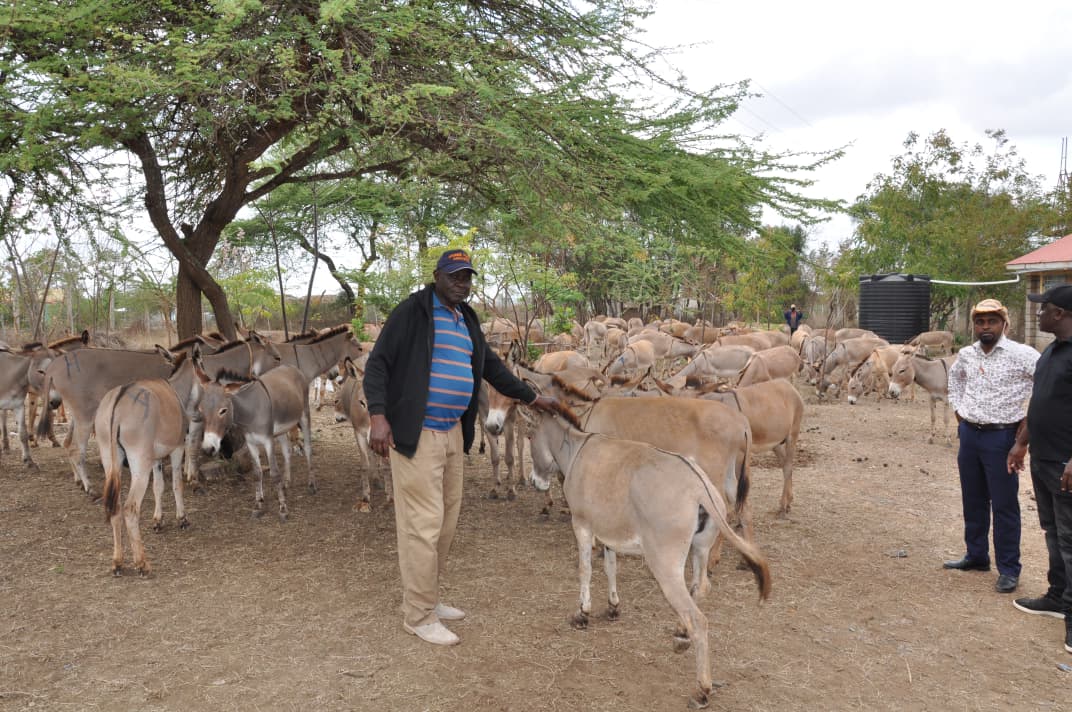
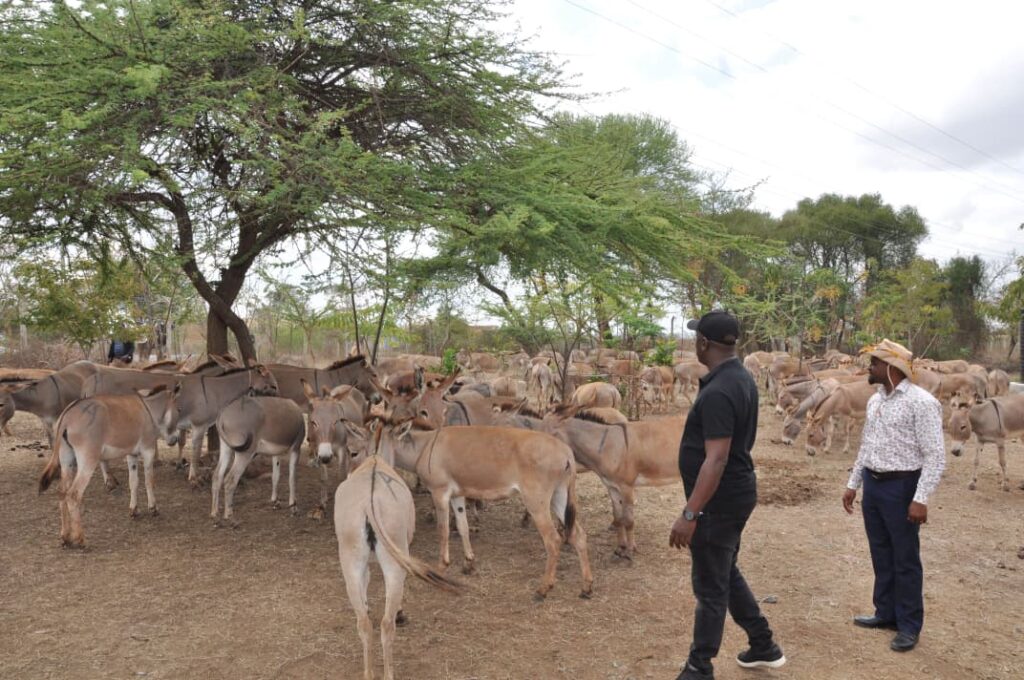
Police have arrested three people and seized 86 donkeys in Kabati, Kitui County, in a fresh crackdown on the trade in donkey meat and skins amid growing concerns over the declining population of the animals.
The suspects were arrested while transporting the donkeys through Kabati, according to Kitui West Sub-County Police Commander Fridah Wanja, who confirmed the incident shortly after the arrests.
Wanja said the suspects were expected to be arraigned at the Kitui Law Courts today to face the relevant charges.
The suspects reportedly could not satisfactorily explain the origin of the donkeys or their intended destination when questioned by authorities.
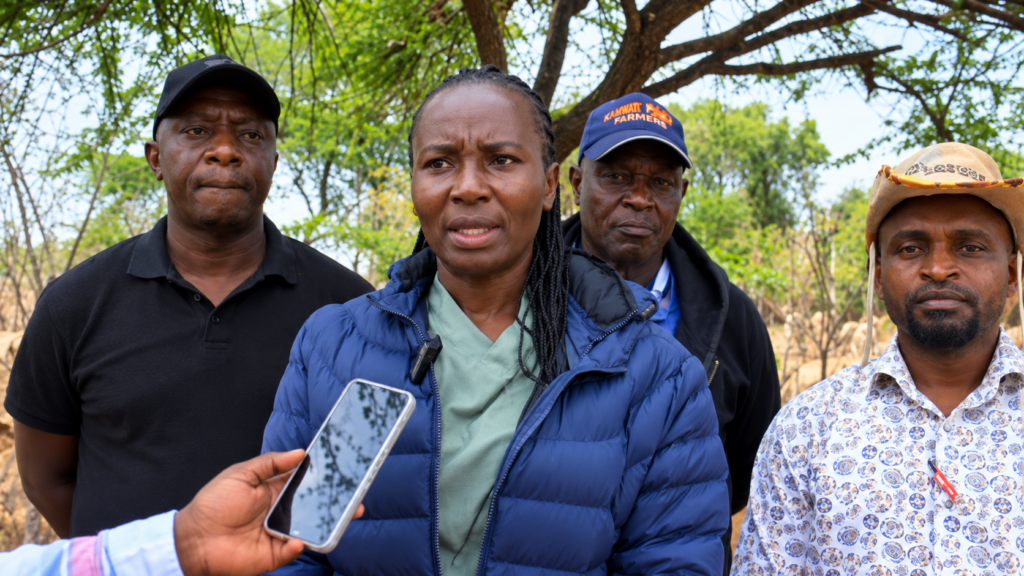
The animals were taken into police custody as investigations continued into their transportation and the circumstances surrounding the incident.
The arrests come amid sustained efforts to curb donkey slaughtering and the demand for donkey skins and meat, which have raised concerns among animal welfare advocates and communities that depend on donkeys for transport and livelihoods.
Kithyoko Abattoir Under Scrutiny
In September this year, Regional Commissioner Jacob Ouma stormed the Kithyoko donkey slaughter facility, declared it a crime scene and ordered its closure as authorities moved to address concerns surrounding operations at the abattoir.
The closure marked a significant intervention in the ongoing efforts to regulate or halt activities associated with donkey slaughtering in the area.
The latest arrests in Kabati are likely to intensify scrutiny of the transportation and movement of donkeys, particularly where authorities suspect possible links to the slaughter trade.
However, the circumstances surrounding the 86 donkeys seized in Kabati, including whether they were destined for Kithyoko, had not been independently established by the time of publication.
Fears Over Declining Donkey Population
The growing demand for donkey skins and meat has fuelled concerns about the sustainability of donkey populations, with fears that continued slaughtering could threaten the availability of the animals in the long term.
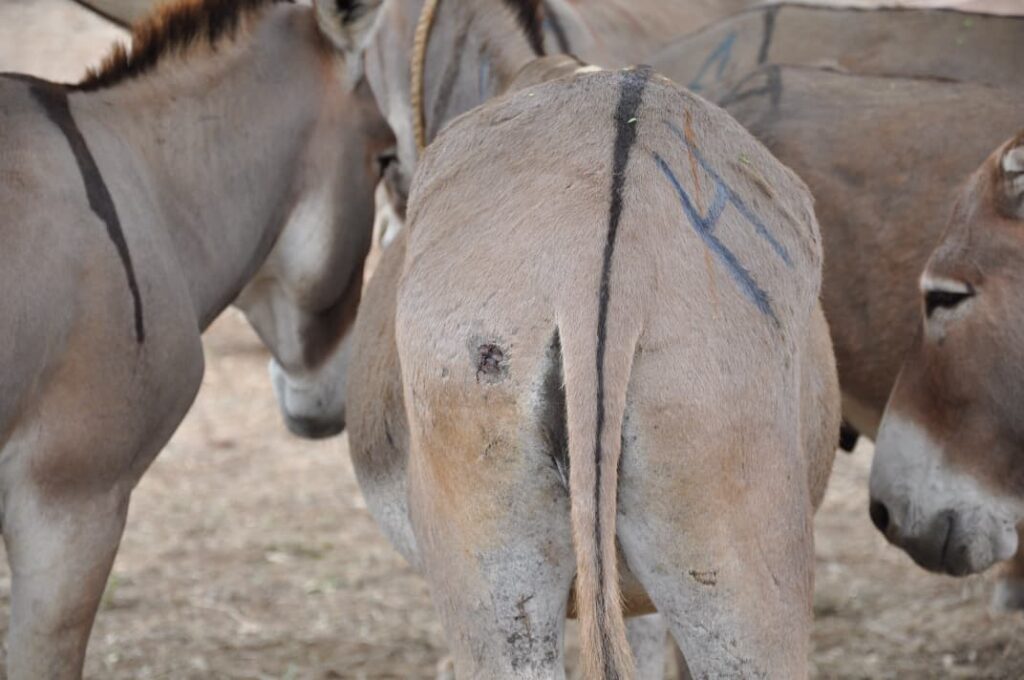
Donkeys play an important role in rural communities, where they are used to transport water, farm produce, construction materials and other household necessities, particularly in areas where access to motorised transport is limited.
Their relatively slow reproductive cycle means that rebuilding populations depleted by excessive slaughter can take considerable time.
Conservation concerns have therefore increasingly focused on the need to balance commercial interests with animal welfare, sustainable breeding and the protection of communities that rely on donkeys for their daily livelihoods.
The three suspects are expected to appear in court as police pursue the matter. Their arraignment is expected to provide further details about the allegations and the circumstances under which the donkeys were being transported.
The suspects remain entitled to the presumption of innocence unless proven guilty by a court of law.
Channel 15 News — The Full Story First.
