


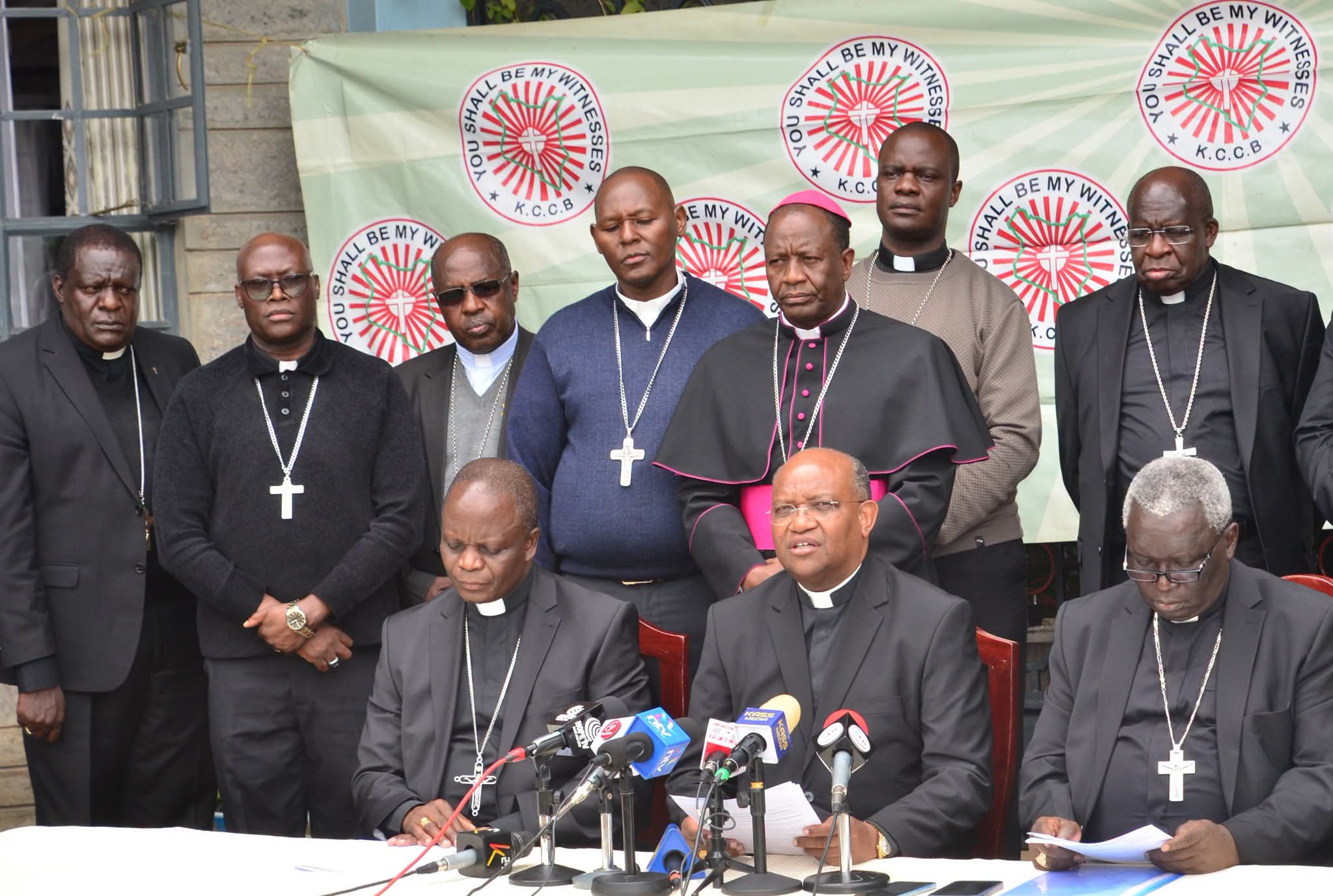
The Kenya Conference of Catholic Bishops (KCCB) has joined a growing list of institutions and citizens questioning the controversial proposal to establish an Ebola quarantine and treatment facility at Laikipia Air Base, a project linked to a health partnership between Kenya and the United States.
In a strongly worded statement issued on Tuesday, the bishops demanded answers from the government, asking a question that many Kenyans have been raising for weeks: “What is this for Kenya?”
Led by KCCB Chairman Archbishop Maurice Muhatia, the bishops expressed concern that Kenya could be exposing its citizens to unnecessary risks by agreeing to host foreign Ebola patients, reportedly including American citizens who may have been exposed to the deadly virus abroad.
“What is in this for Kenya? Is this facility in the interest of our nation?” the bishops asked, questioning why Kenya should shoulder the burden of accommodating patients whom, they argue, are not being treated in their own countries.
The church leaders accused the government of advancing the project without adequate public participation, parliamentary scrutiny, or full disclosure of agreements signed with foreign partners. They argued that decisions involving highly infectious diseases should never be made behind closed doors and must involve broad consultations with citizens, healthcare experts, civil society, and religious leaders.
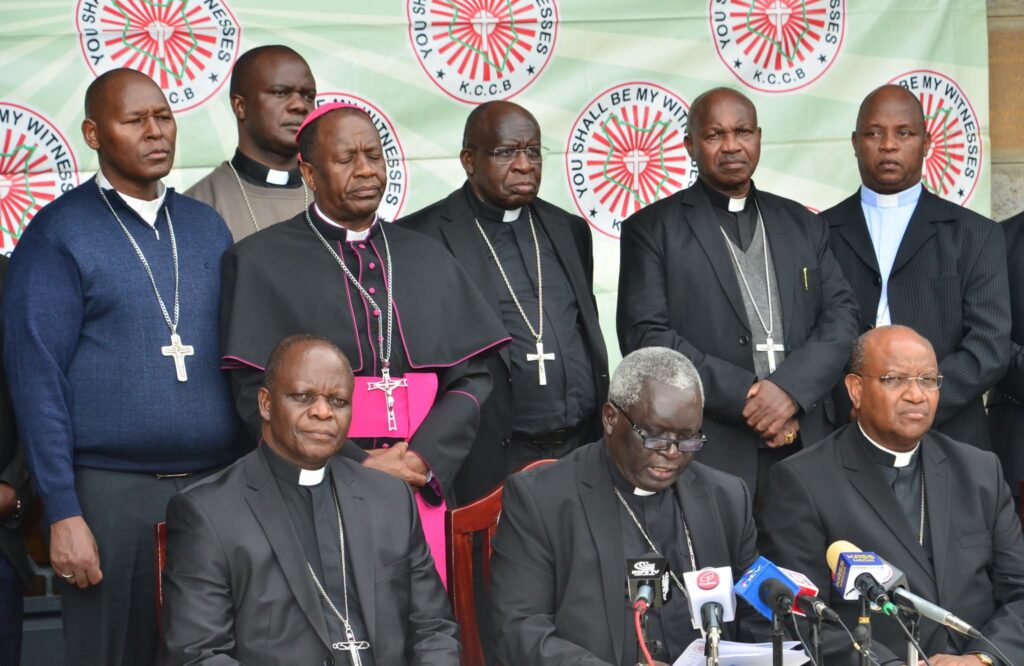
Their intervention comes amid mounting legal and political pressure over the project. The High Court had previously ordered a halt to the facility’s construction following petitions by the Law Society of Kenya and Katiba Institute, which argued that Kenya’s healthcare system is already overstretched and may not be adequately prepared to handle foreign Ebola cases safely.
The controversy has sparked nationwide debate and protests, particularly in Laikipia County, where residents fear the facility could pose a health risk and affect local livelihoods. Several demonstrations have turned violent, resulting in deaths, injuries, and arrests.
Supporters of the project, including President William Ruto and senior government officials, have defended the plan as part of a long-standing Kenya–US health partnership aimed at strengthening disease preparedness. They insist the facility would enhance Kenya’s capacity to respond to future outbreaks and that scientific safeguards would prevent any risk to surrounding communities.
However, the bishops maintain that public confidence cannot be built through assurances alone. They argue that transparency, accountability, and respect for national sovereignty must come first.
The KCCB’s position reflects a broader national concern: whether Kenya is being asked to assume a risk that wealthier nations are unwilling to bear themselves. For many citizens, the debate is no longer just about Ebola. It is about trust, governance, and whether major decisions affecting public safety are being made in the best interests of Kenyans.
Following growing public outrage, legal challenges, and court proceedings, Health Cabinet Secretary Aden Duale has confirmed that Kenya and the United States have suspended activities related to the proposed facility pending further legal determination.
As the debate continues, the bishops’ challenge remains unanswered: What exactly does Kenya stand to gain, and at what cost?
