


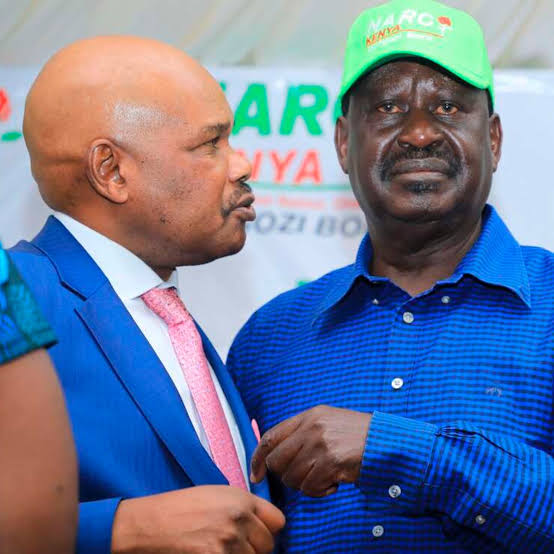
Former Raila Odinga spokesman Dennis Onyango has opened up on the veteran opposition leader’s final days, his closest political allies, the 2022 presidential election loss and the controversial decisions that defined his long political journey.
In a candid interview on Citizen TV’s Sunday Live with Jeff Koinange, Onyango revealed intimate details about Raila’s personal and political life, while reserving some of his strongest words for constitutional lawyer and former Azimio campaign spokesman Makau Mutua.
“I cannot forgive Makau Mutua. I don’t think Makau Mutua added value to Raila’s campaign. To this very day, I believe he derailed us,” Onyango said.
The remarks are likely to reignite debate over what went wrong in Raila’s unsuccessful 2022 presidential bid against President William Ruto.
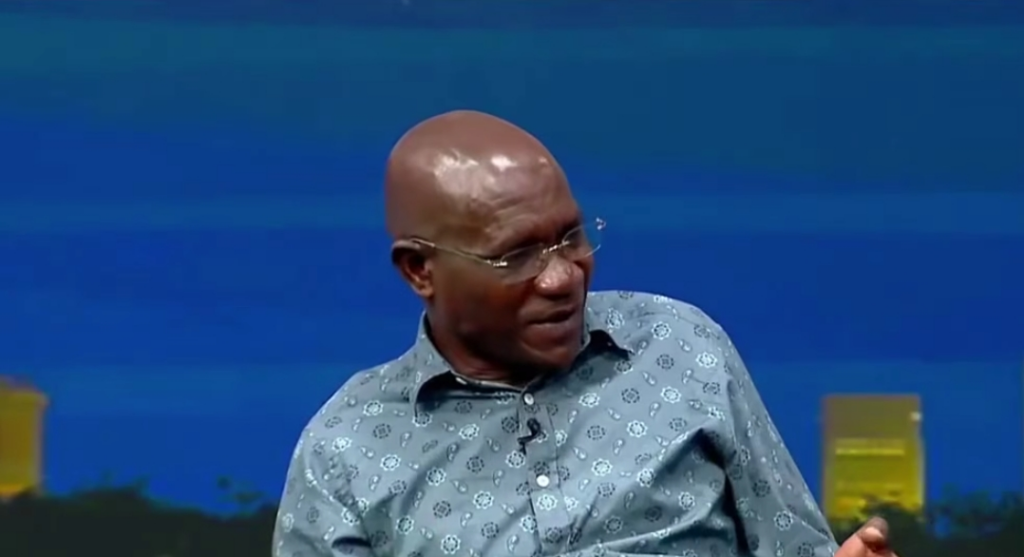
According to Onyango, some of Raila’s most trusted allies during the campaign included Suna East MP Junet Mohamed and media mogul SK Macharia.
“Junet was Raila’s person. Junet and SK Macharia really wanted Raila to win,” he said.
Onyango also addressed Raila’s support for political cooperation through the handshake arrangement, insisting the former Prime Minister genuinely believed in dialogue and national unity.
“Raila believed in the handshake. He agreed with the agenda of the President,” he said.
Asked whether Raila approved the appointment of ODM-linked Cabinet Secretaries into President Ruto’s government, Onyango suggested the veteran politician was fully aware of the move.
“Those are his people. I do not want to believe that they could have been picked without his consent,” he stated.
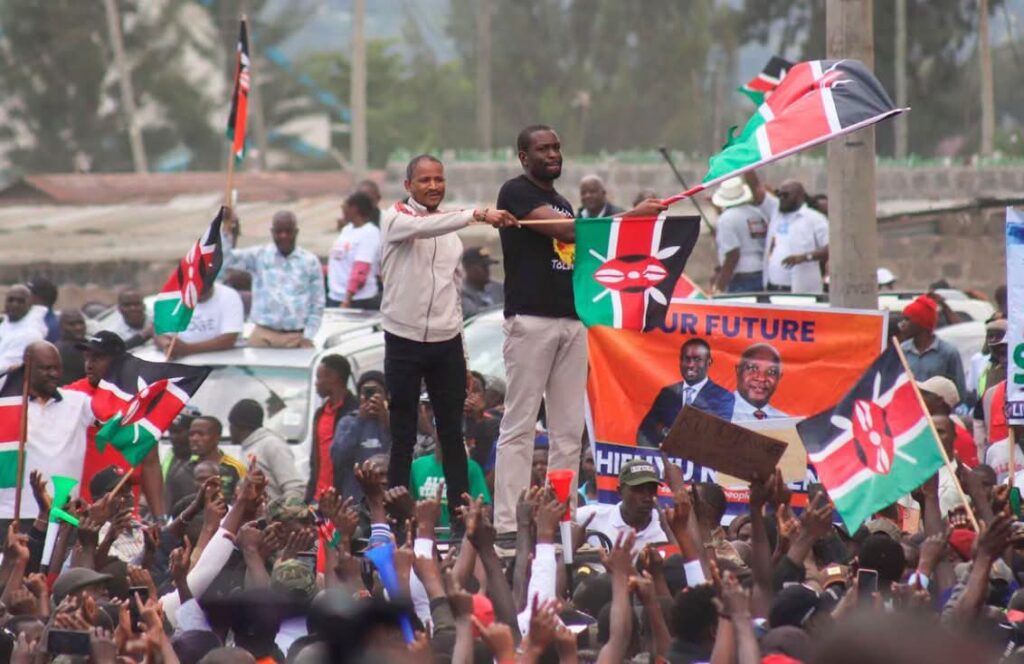
The former spokesman further disclosed that Raila viewed Embakasi East MP Babu Owino as politically impatient and potentially disruptive.
“Raila thought Babu was going to be a trouble to his base. He thought the guy was very impatient,” Onyango revealed.
On Nairobi Senator Edwin Sifuna, Onyango described him as Raila’s “political son” but hinted that their relationship suffered after a controversial media appearance.
“Sifuna was Raila’s political son. Raila liked him and his ability to articulate issues but lost him during an explosive interview where he made Raila look like he did not know what he was doing. I don’t know whether they ever made it up.”
By contrast, Onyango said former Mombasa Governor Hassan Joho remained fiercely loyal to Raila until the end.
“Joho was Raila’s friend to the end. If Raila told Joho to leave the Cabinet then he would have left.”
The veteran communications strategist also revisited the controversial 2018 ‘People’s President’ swearing-in ceremony at Uhuru Park, saying the decision was collectively made by leaders seeking to pressure the government into negotiations.
“There were always people who had ideas of pressurizing the Uhuru regime to come to the table. A lot of people were involved in the decision to go for the swearing-in.”
On one of Kenya’s most contested elections, Onyango maintained that Raila won the 2007 presidential race.
“I think he won the elections,” he said.
However, he argued that one of Raila’s enduring weaknesses was his belief that political change could be achieved without considering external interests.
“Throughout his political career, Baba’s weakness was his refusal to understand that this country is not truly independent. You cannot do things your way in this country without factoring in what the outside world thinks.”
Perhaps the most emotional moment of the interview came when Onyango recounted his final conversation with Raila before he travelled to India.
“The last conversation we had when he was leaving for India, never to come back, was about putting his speeches together and a book on Pan-Africanism.”
He also revealed that Raila had spoken about his burial wishes months before his death.
“Raila told me about him being buried within 72 hours after General Ogolla’s passing. I thought he was joking and did not know it was in his will.”
Onyango said he was stunned when news of Raila’s death reached him because they had spoken only two days earlier.
“When I heard about his death, I was shocked because we had spoken two days before. It was unbelievable.”
Reflecting on a friendship spanning more than two decades, Onyango described Raila as a man impossible to fully understand.
“It was not possible to know Baba completely. He was a complicated man; different things to different people. I knew his thinking, vision and what he wanted for Kenya and Africa.”
The interview offered one of the most revealing accounts yet from a man who spent years at Raila’s side, providing fresh insights into the final chapter of one of Kenya’s most influential political figures.
