


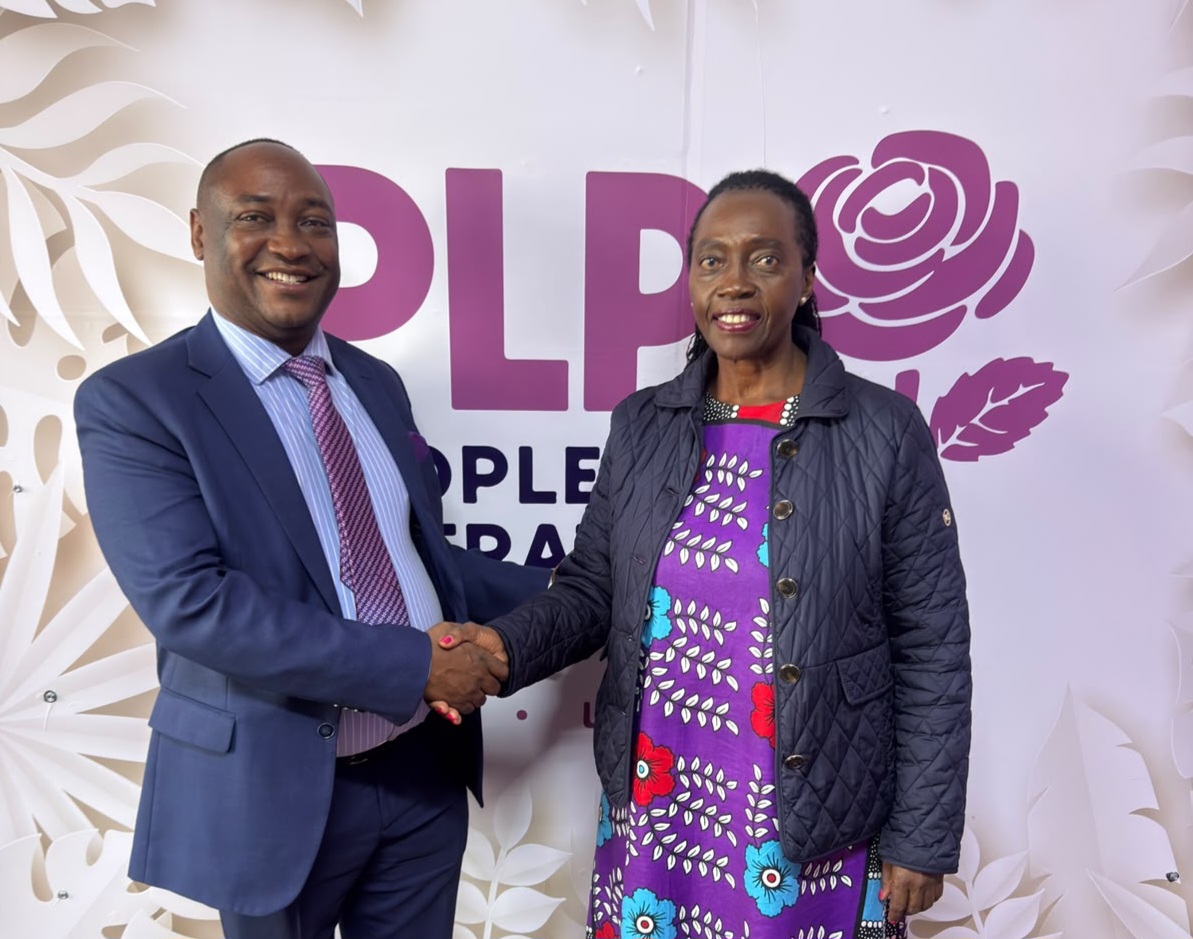
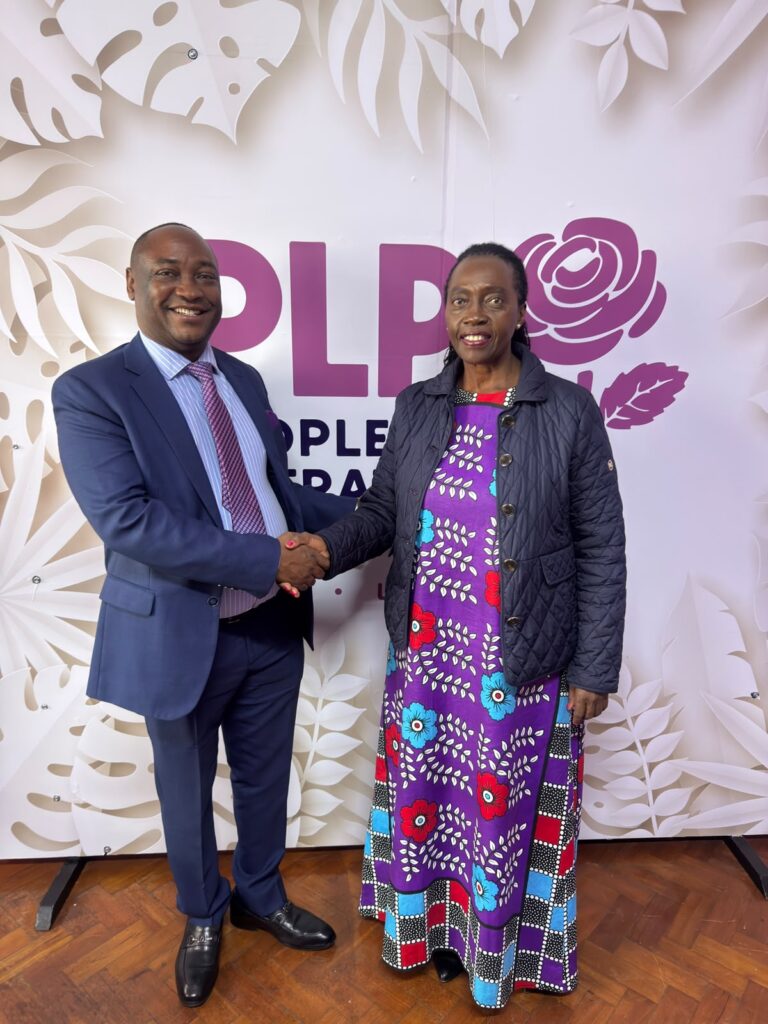
The National Liberal Party (NLP) led by Hon. Augustus Kyalo Muli has entered into a strategic collaboration with the People’s Liberation Party (PLP) headed by Hon. Martha Karua, SC, EGH, in a move aimed at strengthening citizen engagement and accelerating opposition unity efforts ahead of the 2027 General Election.
The two parties formalized the cooperation during a consultative meeting held at PLP Headquarters – Liberation House, bringing together senior leadership from both formations in what insiders describe as a key step toward consolidating a broader United Opposition framework.
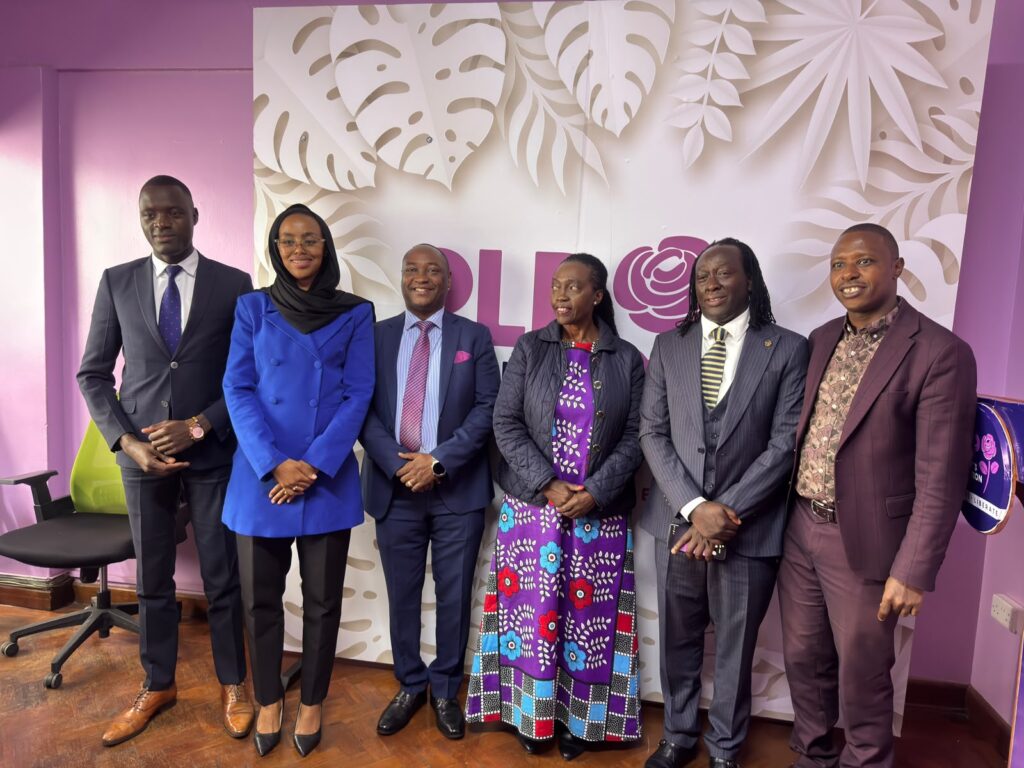
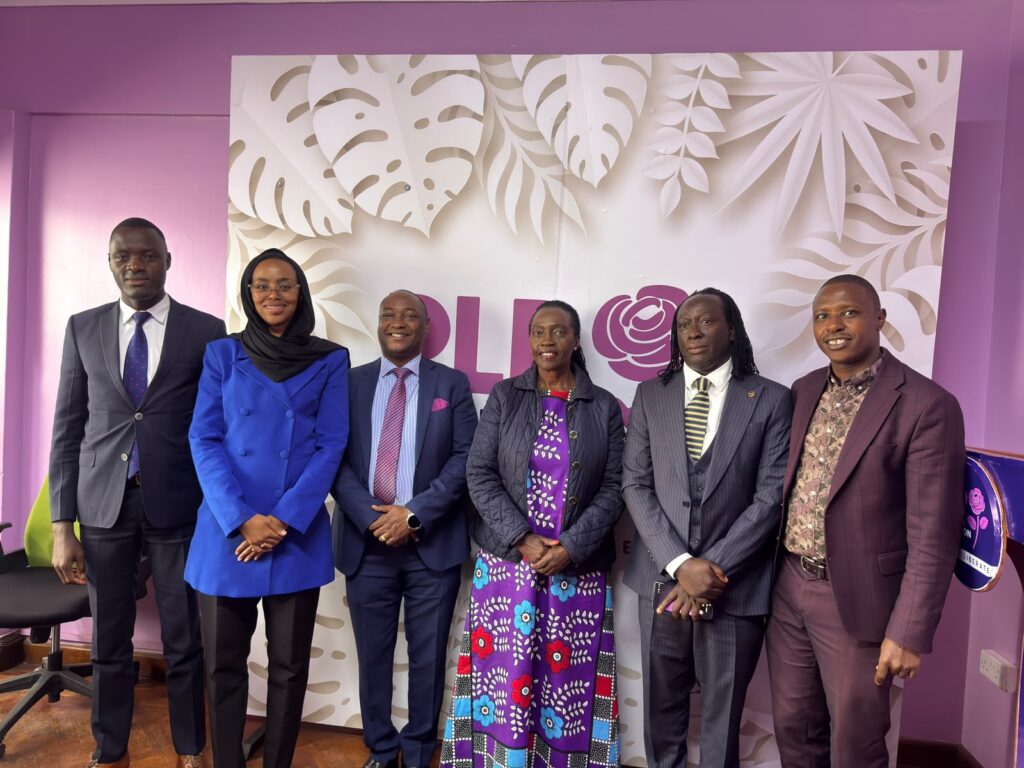
The NLP delegation included Party Leader Hon. Augustus Kyalo Muli, Chairman Hon. Teddy Kenyatta, and Secretary General Hon. Omondi K’Oyoo, while the PLP side was represented by Party Leader Hon. Martha Karua and Secretary General Ms. Asha Bashir.
In a joint position, the parties emphasized that Kenya’s current socio-economic pressures—particularly youth unemployment, rising living costs, and limited economic opportunities—require sustained and structured engagement with citizens at the grassroots level.
To drive the initiative, the two parties announced the formation of a Joint Technical Committee tasked with designing a nationwide citizen engagement framework. The committee will also develop a collaboration document anchored on what the parties termed as “rules-based and issue-driven politics,” which will be tabled for approval by respective party organs.
The programme will include structured regional dialogues across the country, with targeted focus on youth, women, and micro, small and medium enterprises (MSMEs), aimed at gathering citizen priorities and policy concerns ahead of 2027.
The partnership comes at a time when opposition leaders are intensifying efforts to build unity formations capable of mounting a stronger challenge in the next general election. Hon. Augustus Kyalo Muli has recently engaged Wiper Party Leader Hon. Stephen Kalonzo Musyoka in consultations aimed at strengthening cohesion within Ukambani and the wider opposition bloc.
Muli has warned that continued political fragmentation in the region risks weakening its bargaining power, noting that a united Ukambani voting bloc—estimated at nearly two million voters—could become a decisive factor in the 2027 political equation.
By linking grassroots engagement with broader coalition-building efforts, NLP and PLP are positioning themselves as key players in shaping the emerging opposition architecture. Both parties reaffirmed that inclusivity and citizen participation will remain central pillars of their political collaboration, insisting that no Kenyan should be left out of the national decision-making process.
