


The tragic dormitory fire at Utumishi Girls High School in Gilgil, Nakuru County, which claimed the lives of 16 students, has once again reopened painful memories of deadly school fires that have haunted Kenya for decades.
As families mourn and the country searches for answers, the latest tragedy joins a long list of devastating fire incidents in learning institutions that have left hundreds of students dead, injured, or traumatised.

For many Kenyans, the images from Utumishi Girls — grieving parents, burnt dormitories, and students in tears — mirror scenes witnessed repeatedly over the years despite numerous promises to improve school safety standards.
One of the earliest and most horrific incidents occurred in 1990 at St. Kizito Secondary School in Tigania, Meru County, where 19 girls died after boys attacked the girls’ dormitory during a strike. The incident, which also involved widespread sexual violence, remains one of the darkest chapters in Kenya’s education history.
Seven years later, in 1997, Bombolulu Girls Secondary School in Kwale County suffered a deadly dormitory fire that killed 26 students. Reports at the time pointed to suspected arson or an electrical fault, while overcrowding, locked doors, and grilled windows worsened the disaster by trapping learners inside.

In 1999, Nyeri High School was rocked by tragedy after four prefects were locked inside a cubicle and burnt alive using petrol in a shocking case of student violence.
But the deadliest school fire in Kenya’s recorded history came in 2001 at Kyanguli Boys High School in Machakos County, where 67 boys perished after two students allegedly set a dormitory on fire. The horrifying incident shocked the nation and triggered widespread debate over school safety, discipline, and boarding school conditions.
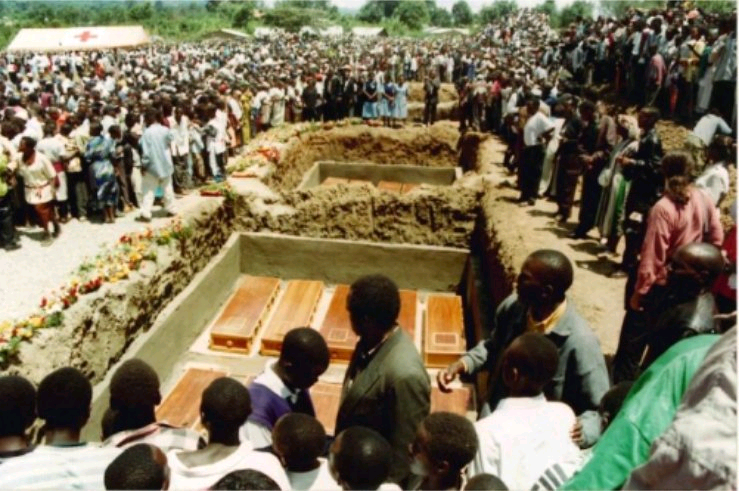
Despite increased scrutiny after Kyanguli, deadly fires continued to occur.
In 2010, two students died in a dormitory fire at Endarasha Boys High School in Nyeri County. Two years later, eight girls lost their lives at Asumbi Girls Boarding Primary School in Homa Bay County after an electrical fault sparked a dormitory fire. Investigations revealed that locked doors and grilled windows hindered escape efforts.
In 2017, Moi Girls High School in Nairobi lost 10 students in a dormitory fire that investigators later linked to arson by a student.

The country was again thrown into mourning in 2024 after 21 boys died in a dormitory inferno at Hillside Endarasha Academy in Nyeri County, renewing urgent calls for enforcement of safety measures in boarding schools.
Now, in 2026, the Utumishi Girls tragedy has added another painful chapter to Kenya’s long and heartbreaking history of school fires.
Questions continue to emerge over whether lessons from previous disasters were fully implemented, especially regarding emergency exits, overcrowding, fire preparedness, dormitory inspections, and student safety protocols.
Education stakeholders, parents, and leaders are once again demanding accountability and urgent reforms to prevent further loss of innocent lives.
For grieving families across the country, however, the recurring tragedies represent more than statistics — they are painful reminders of dreams cut short inside institutions meant to protect and nurture children.
As Kenya mourns yet another school fire tragedy, many are left asking the same difficult question: how many more children must die before lasting solutions are found?
