


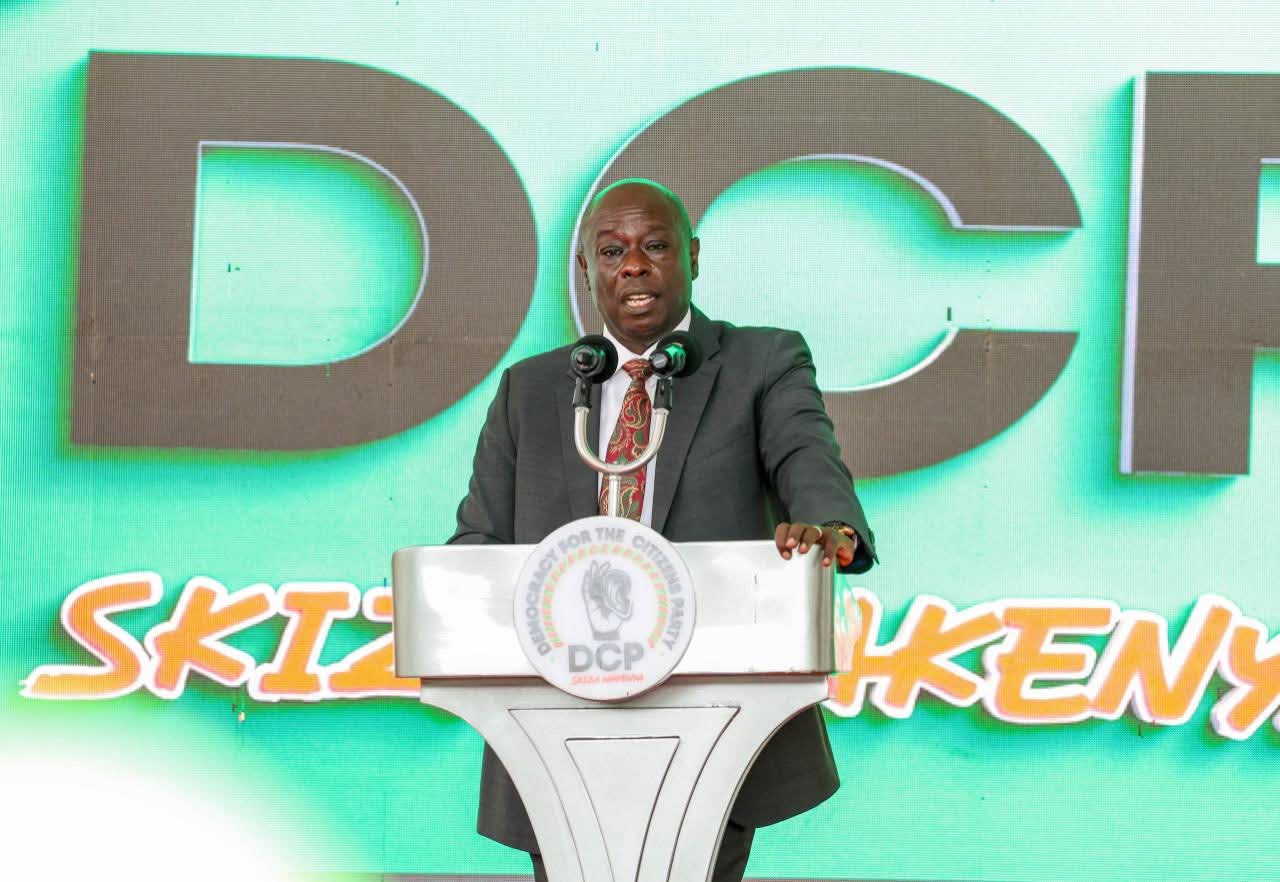
President would today remain the frontrunner in the 2027 presidential race if elections were held, according to the latest opinion survey by , even as fresh political undercurrents point to the growing influence of Deputy President in shaping the broader succession conversation.
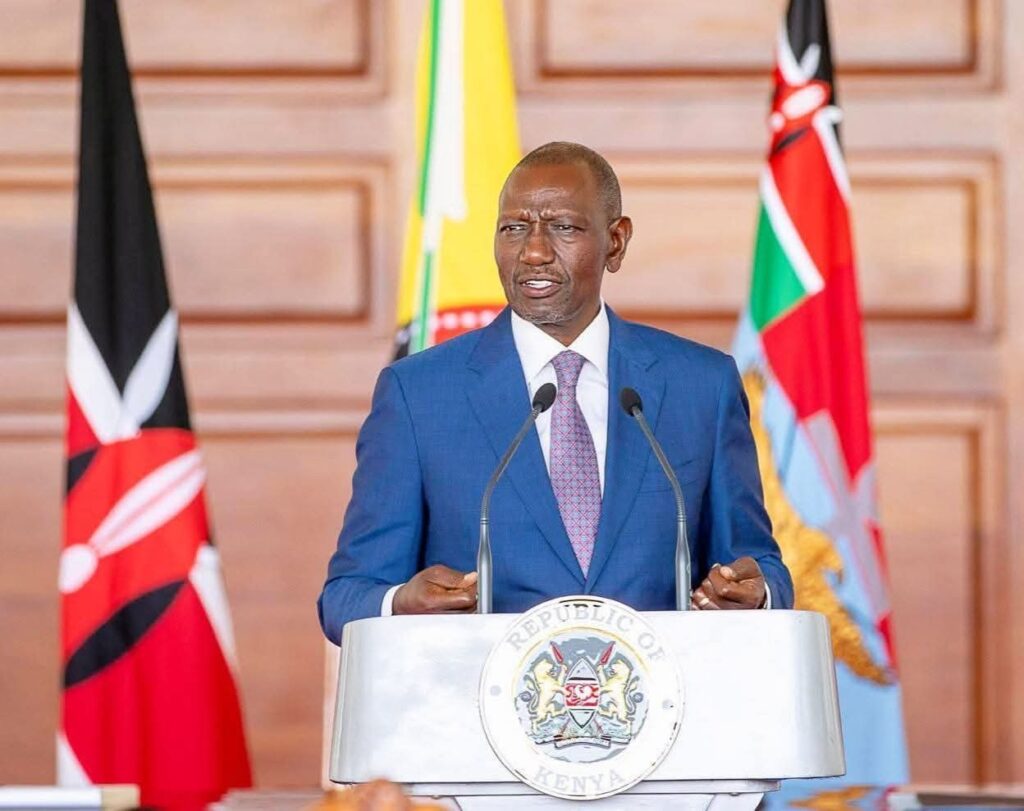
The survey places Ruto at 24 percent support, followed by at 19 percent. Former Interior Cabinet Secretary comes third at 14 percent, while ranks fourth at 10 percent.
While the presidential numbers show a tight but steady lead for the Head of State, political analysts say the real story emerging from the poll is not only about individual candidates—but about the evolving power architecture within the Kenya Kwanza coalition, where Gachagua’s political footprint is becoming increasingly pronounced.
As the former Deputy President continues to consolidate influence in the Mt. Kenya region, observers argue that his role is gradually shifting from a regional mobiliser to a key national political player whose endorsement and organisational networks could significantly shape voter turnout and alignment in 2027.
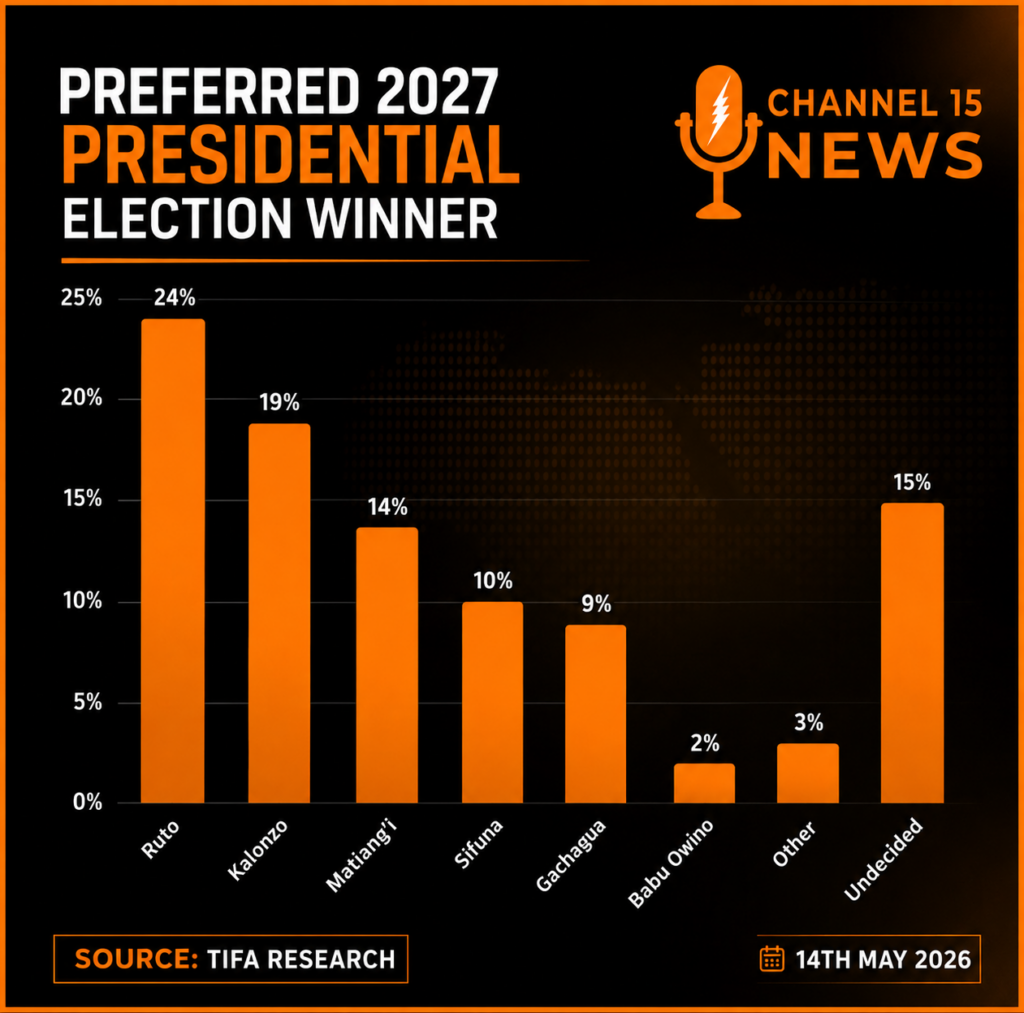
Within party rankings, the (ODM) leads at 18 percent, closely followed by the (UDA) at 17 percent, while DCP stands at 16 percent. trails at 11 percent, and the at 9 percent.
The poll also highlights internal competition within ODM-linked grassroots movements, where the Linda Mwananchi Movement led by Sifuna enjoys overwhelming support at 73 percent compared to 23 percent for the Linda Ground Movement associated with —a sign of shifting influence battles within the opposition’s lower structures.
In the running mate preference for President Ruto, Interior Cabinet Secretary remains firmly ahead with 59 percent support, followed by at 12 percent. and Oburu Odinga trail at 1 percent and 3 percent respectively.
However, despite Kindiki’s strong lead in the deputy presidential preference category, political observers note that Gachagua’s growing mobilisation strength in key regions is adding a new layer of calculation within Kenya Kwanza’s succession planning.
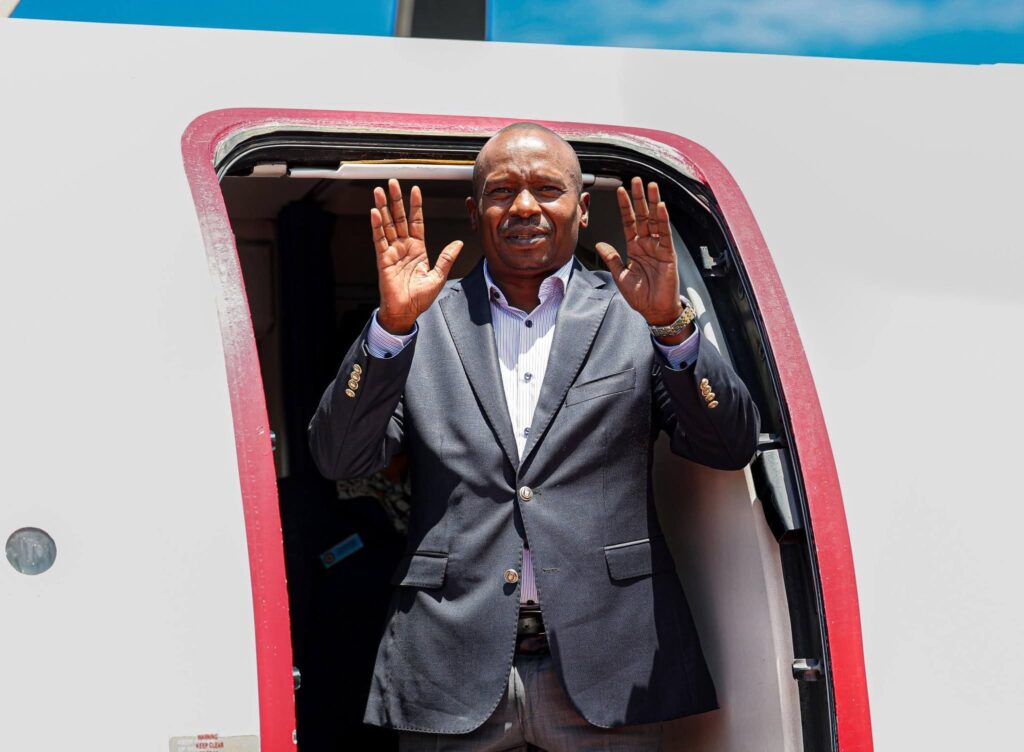
They argue that while Ruto remains firmly ahead in the presidential race, the Deputy President’s rising political weight could prove decisive in determining campaign strategy, voter consolidation, and regional balance as the country moves closer to 2027.
As the political temperature rises, the TIFA poll suggests a race defined not just by presidential popularity—but by emerging power centres that may ultimately shape the final outcome of Kenya’s next general election.
