


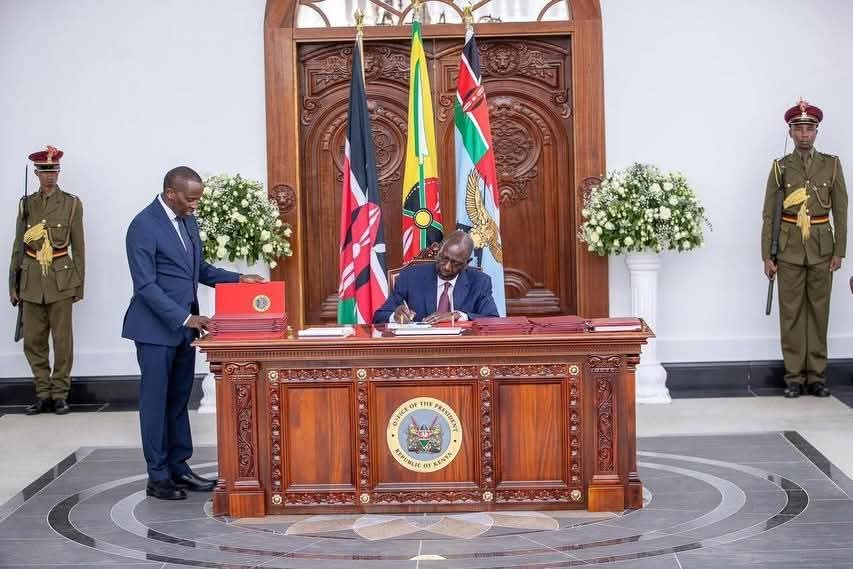
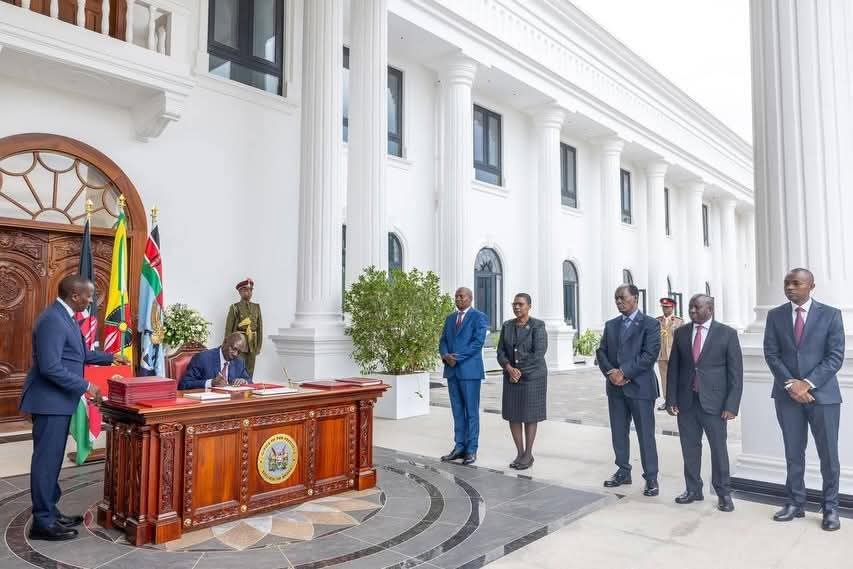
President William Ruto has signed into law the Special Economic Zones (Amendment) Bill, 2026, a major policy shift expected to accelerate Kenya’s industrialisation agenda and unlock billions in oil, gas and manufacturing investments.
The Bill, sponsored by National Assembly Majority Leader Kimani Ichung’wah, was introduced in the National Assembly of Kenya on March 12 and passed with amendments on April 21 in line with Article 109(3) of the Constitution.
At the heart of the new law is the expansion of Special Economic Zones (SEZs) to include upstream and midstream petroleum operations. This follows a joint resolution by both Houses of Parliament adopting a report on the Field Development Plan and Production Sharing Contracts for Blocks T6 and T7 in the South Lokichar Basin.
The legislative changes now formally extend the SEZ regulatory and legal framework to oil and gas activities, offering investors a range of fiscal incentives and concessions aimed at attracting large-scale capital into the sector.
Beyond petroleum, the amended law significantly broadens the SEZ framework to cover agro-processing hubs, manufacturing zones, mineral and natural resource-based industries, as well as advanced technology-driven production centres—signaling a wider push to diversify Kenya’s industrial base.
Lawmakers backing the amendments said the changes are designed to reflect the realities of capital-intensive investments. The law introduces a minimum 10-year licence tenure for investors, subject to strict annual compliance audits to ensure accountability and performance.
In a move to target serious investors, the law sets a threshold of at least Sh5 billion in committed investment for firms seeking to benefit from long-term licensing and incentives under the SEZ programme.
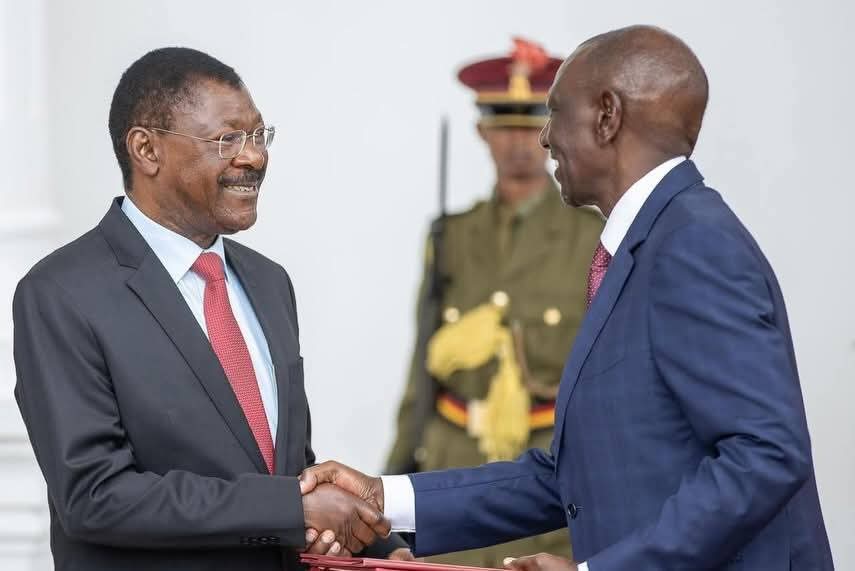
Additionally, the legislation harmonises tax incentives for companies operating within oil and gas zones under the SEZ framework, a step expected to reduce regulatory overlaps and improve the ease of doing business.The enactment of the law is widely seen as a strategic boost to investor confidence, positioning Kenya as a competitive destination for energy and industrial investments while accelerating the long-awaited commercialisation of its petroleum resources.
Analysts say the reforms could mark a turning point for projects in Turkana and beyond, as the government moves to translate policy into tangible economic growth and job creation.
