


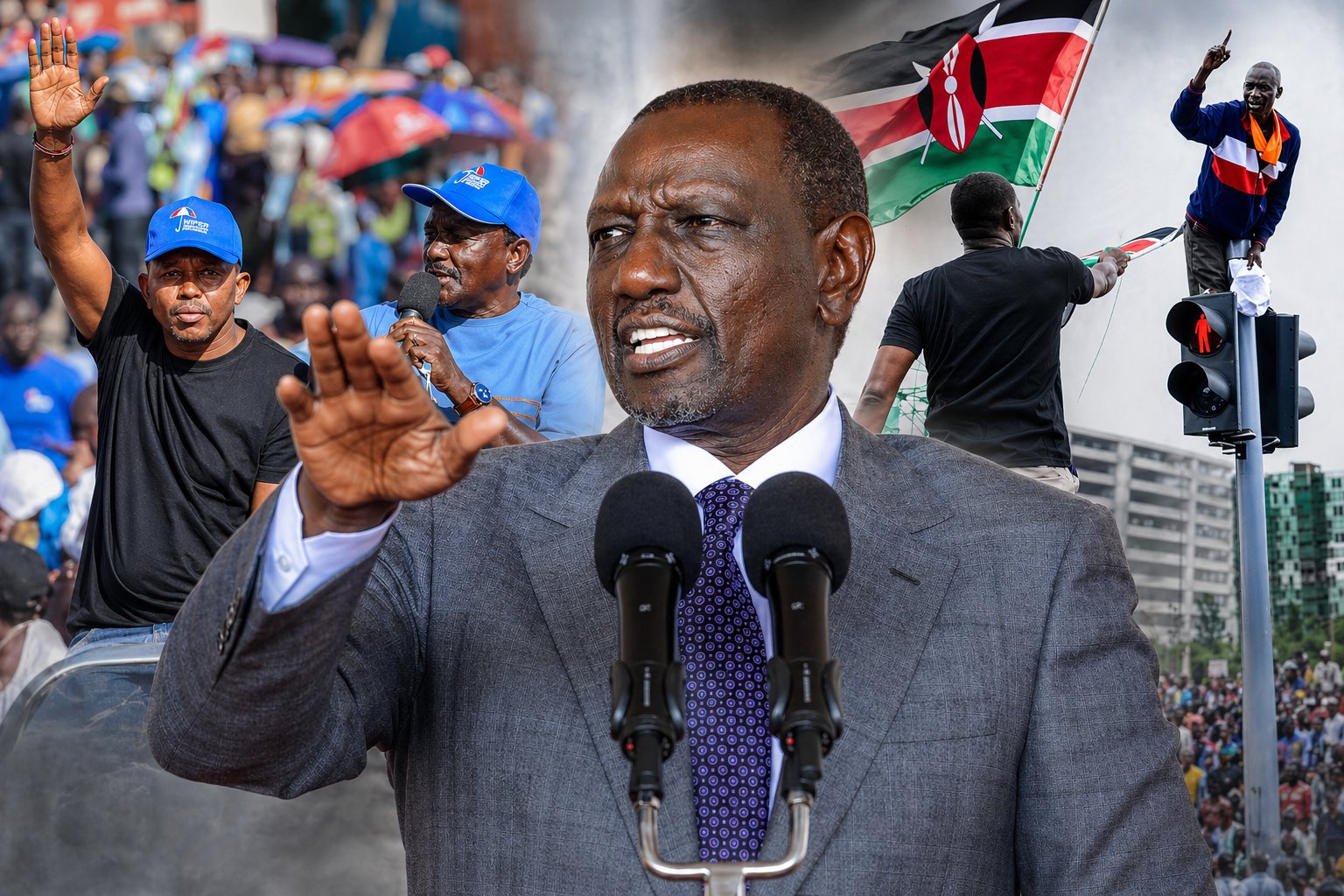
President William Ruto could be staring at some of his most politically difficult nights as a broad and increasingly coordinated opposition front gains momentum across the country, while electoral numbers that once worked in his favor begin attracting fresh scrutiny.
From Kisumu to Mombasa, Murang’a to Meru, a pattern appears to be emerging — one that political analysts say should concern State House.
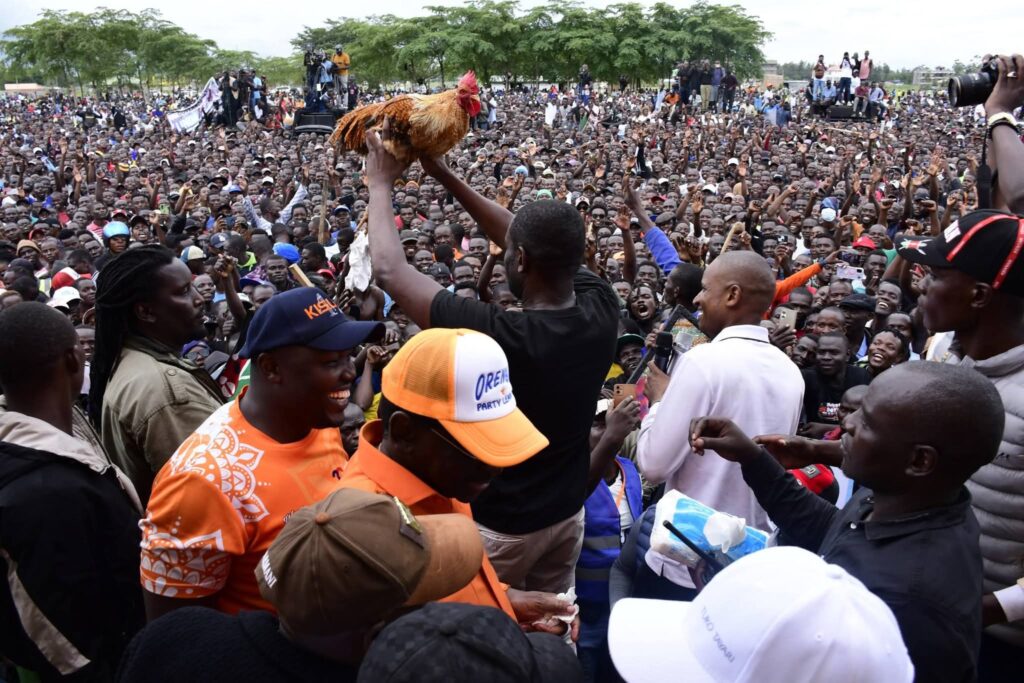
In Kisumu, ODM Secretary General Edwin Sifuna, Governor James Orengo, Embakasi East MP Babu Owino and Pauline Njoroge have been driving renewed anti-government messaging, reviving political activism in a region where Raila Odinga’s strategic moderation had, at times, softened confrontation.
In Changamwe, Mombasa, former Deputy President Rigathi Gachagua, Wiper leader Kalonzo Musyoka, Eugene Wamalwa and allies have projected what appears to be an emerging anti-Ruto axis.
Former Interior CS Dr Fred Matiang’i has been rebuilding quietly in Murang’a and Mathioya. Martha Karua is consolidating reform networks in Nyeri. Peter Munya is reviving structures in Meru through PNU.
Taken separately, these may appear like isolated political events.

Taken together, analysts say, they resemble the early architecture of a national challenge.
And for Ruto, the anxiety may not simply be about opposition noise — but about numbers.
The Arithmetic Problem
Machakos-based political commentator Mulu Mutia argues the President’s greatest concern heading into 2027 should be the changing electoral equation that first propelled him to power.
“When Ruto partnered with Uhuru Kenyatta, the Rift Valley-Mt Kenya axis created a near-unbeatable machine. That formula was built on consolidation of large voting blocs. But today, that consolidation is no longer guaranteed,” said Mutia.
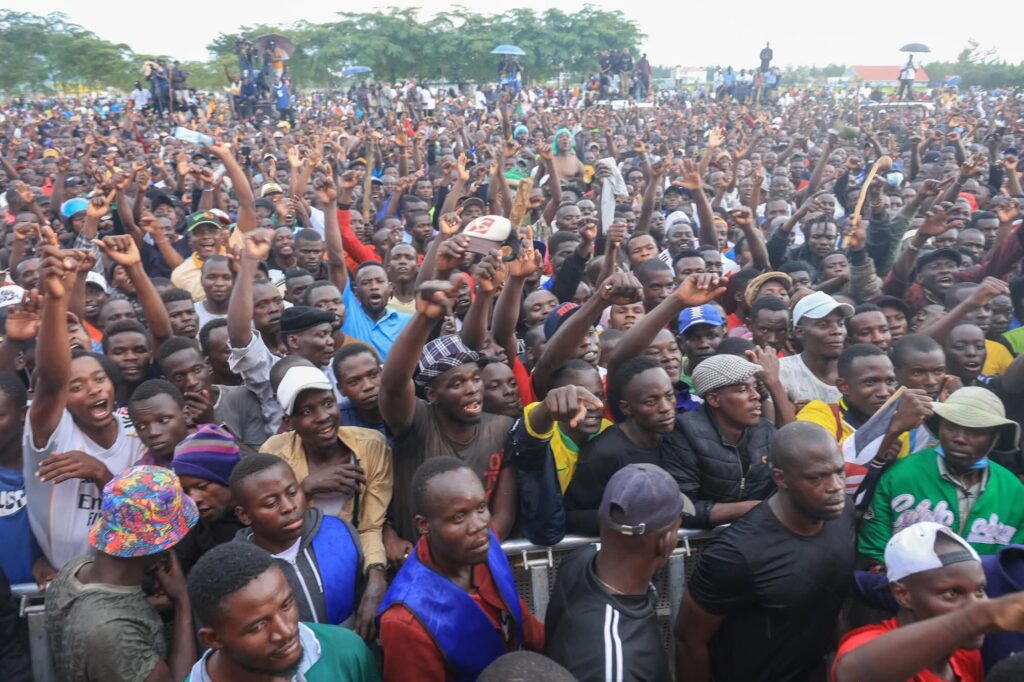
The numbers support why such concerns matter.
In 2013, Uhuru Kenyatta and William Ruto secured about 6.17 million votes to defeat Raila Odinga’s 5.34 million in the first round.
In 2017, the Jubilee ticket expanded that advantage, polling over 8.2 million votes in the repeat election.
And in 2022, Ruto won the presidency with just over 7.17 million votes against Raila Odinga’s 6.94 million — a margin of roughly 233,000 votes.
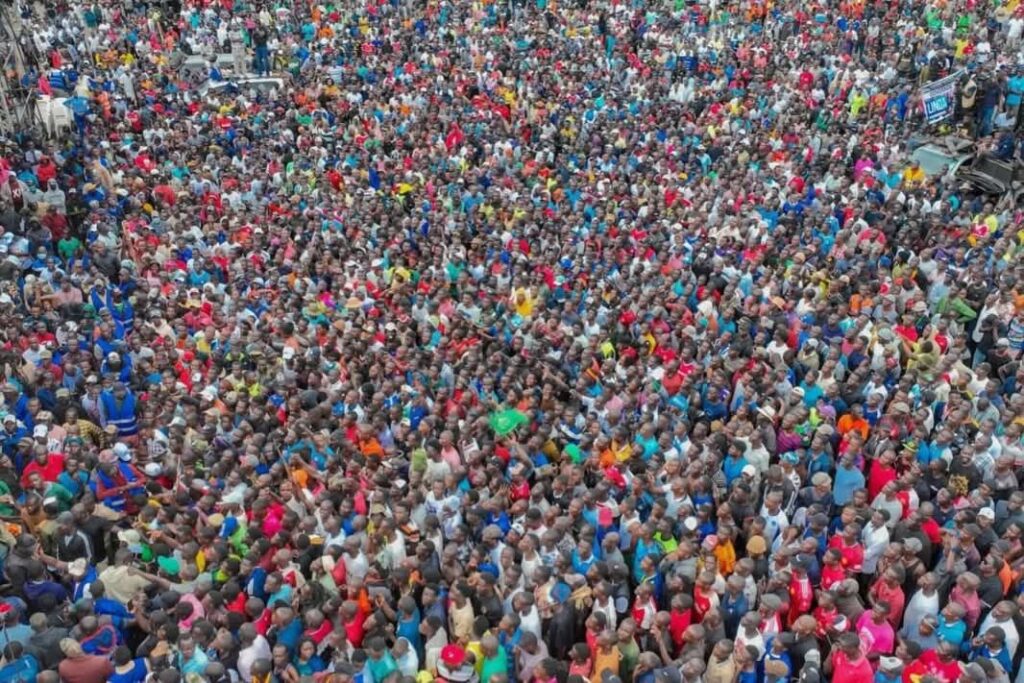
To Mutia, those figures tell a sobering story.
“The 2022 victory was narrow. It was not a landslide. That means even modest shifts in Mt Kenya, Ukambani or Coast can dramatically alter the outcome in 2027,” he said.
That is where the current political activity becomes significant.
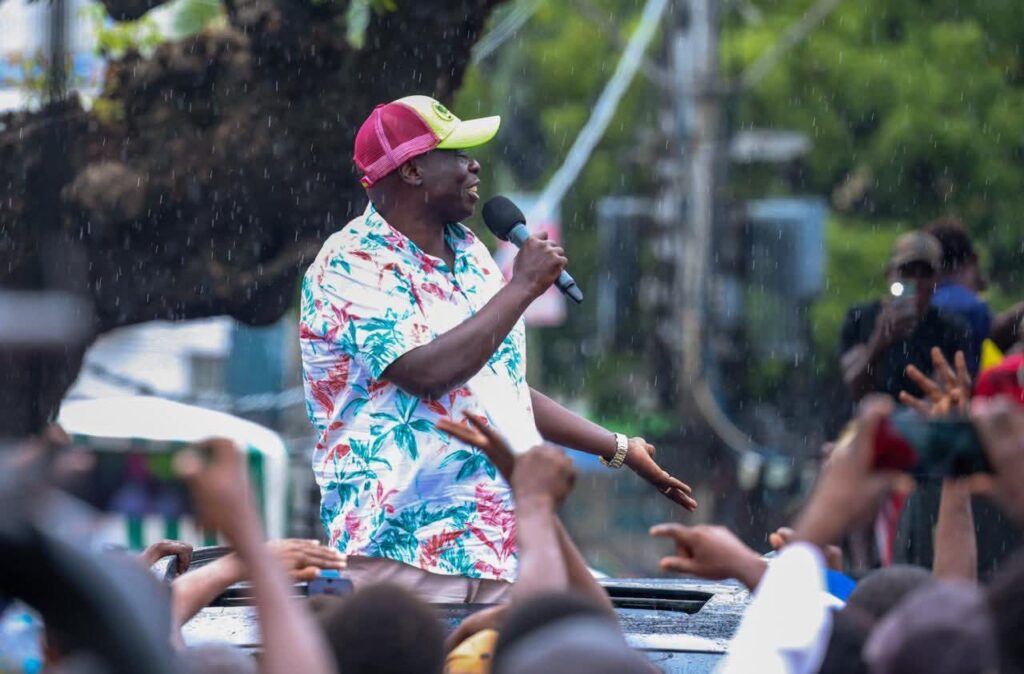
If Rigathi Gachagua dents Mt Kenya support, Kalonzo consolidates Lower Eastern, and opposition figures reactivate Nyanza and Coast, the vote path that delivered Ruto to State House could face serious strain.
Raila Factor and the Missing Cushion
Analysts also point to another variable — Raila Odinga’s uncertain domestic political role.
For months, some believed the broad-based arrangement between government and opposition offered Ruto a political cushion, especially in reducing hostility in ODM strongholds.
But Mwangi Mutoria argues that assumption may have been overstated.
“There was a belief Raila’s presence in a broad-based framework would neutralize political resistance. But if that effect is weak or absent, and Oburu Odinga cannot replicate Raila’s mobilization weight, then the President loses an important stabilizer,” Mutoria observed.
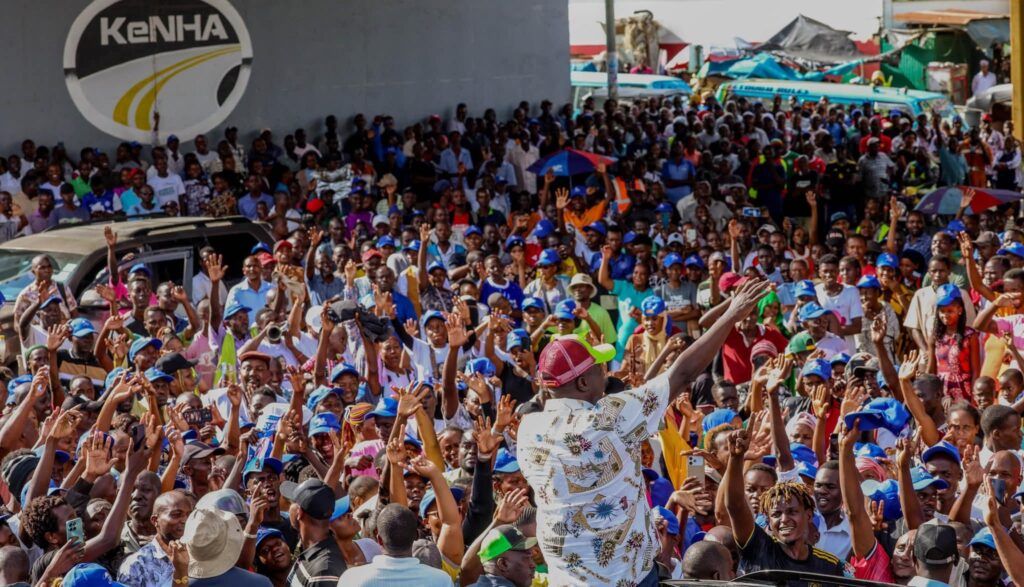
That, he says, is part of why renewed opposition activity in Kisumu should not be dismissed.
Without Raila acting as a political buffer, State House may have to confront raw opposition energy rather than negotiated calm.
Why Smaller Parties May Matter
Mutoria argues the President may need to think beyond traditional alliances and look toward regional parties as insurance.
He points to smaller formations such as the National Liberal Party (NLP) led by Dr Augustus Kyalo Muli in Lower Eastern as potential “added value” should the race tighten.
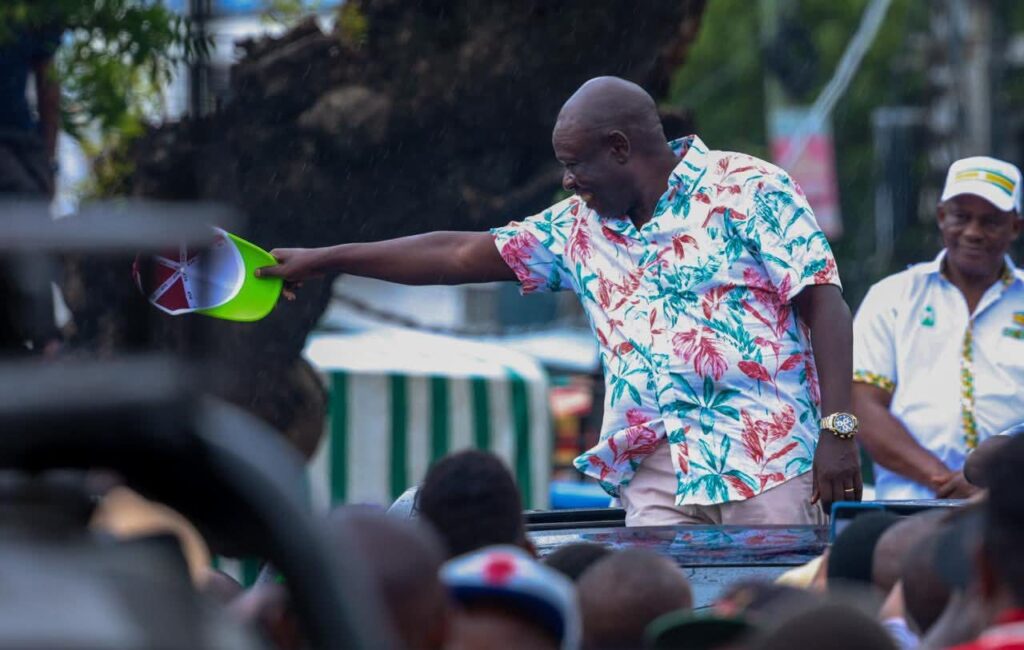
“In a close election, smaller parties stop being peripheral. They become strategic. They can supply votes, structures and negotiating space where larger coalitions fall short,” he said.
In a fragmented race, even modest vote additions from regional parties could become consequential.
That may explain why some analysts believe outreach to such formations may become politically necessary rather than optional.
A Different Kind of Opposition Threat
What may trouble State House most is that the emerging pressure does not revolve around one dominant challenger.
It is distributed.
Sifuna and Orengo in Nyanza.
Gachagua and Kalonzo in the opposition coalition.Matiang’i in Central, Karua in Nyeri, Munya in Meru.
Regional parties probing new bargaining space. That makes the threat harder to isolate.
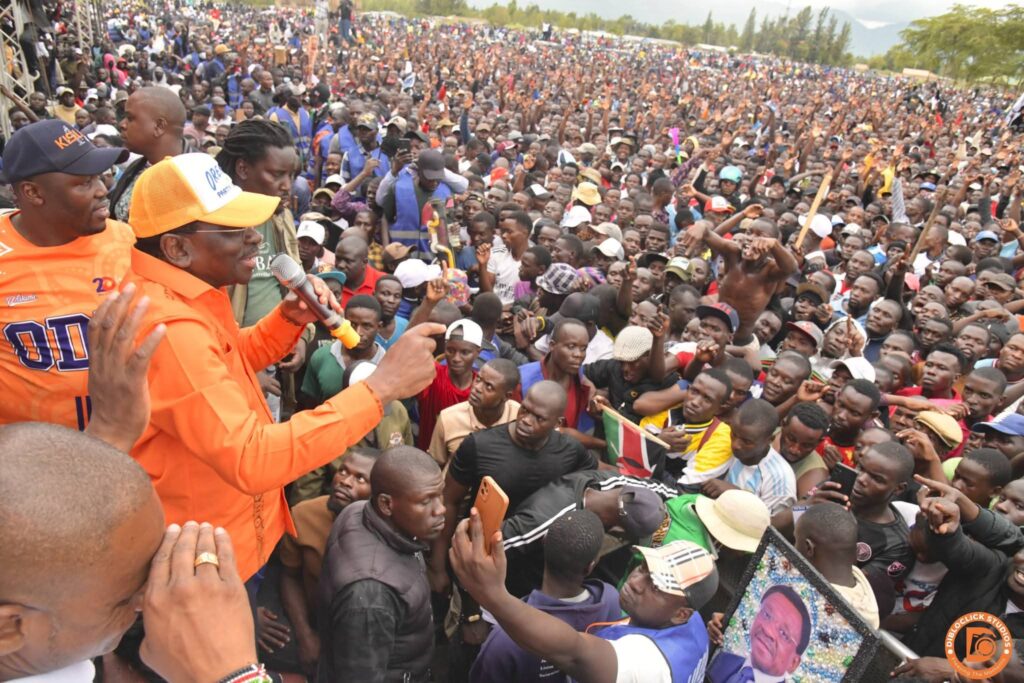
Unlike past contests where defeating one opponent could settle the race, 2027 may become a contest against multiple centers of resistance.
And in such a race, arithmetic matters as much as messaging.
As Mulu Mutia puts it:
“Elections are won by arithmetic before they are won by rhetoric.”
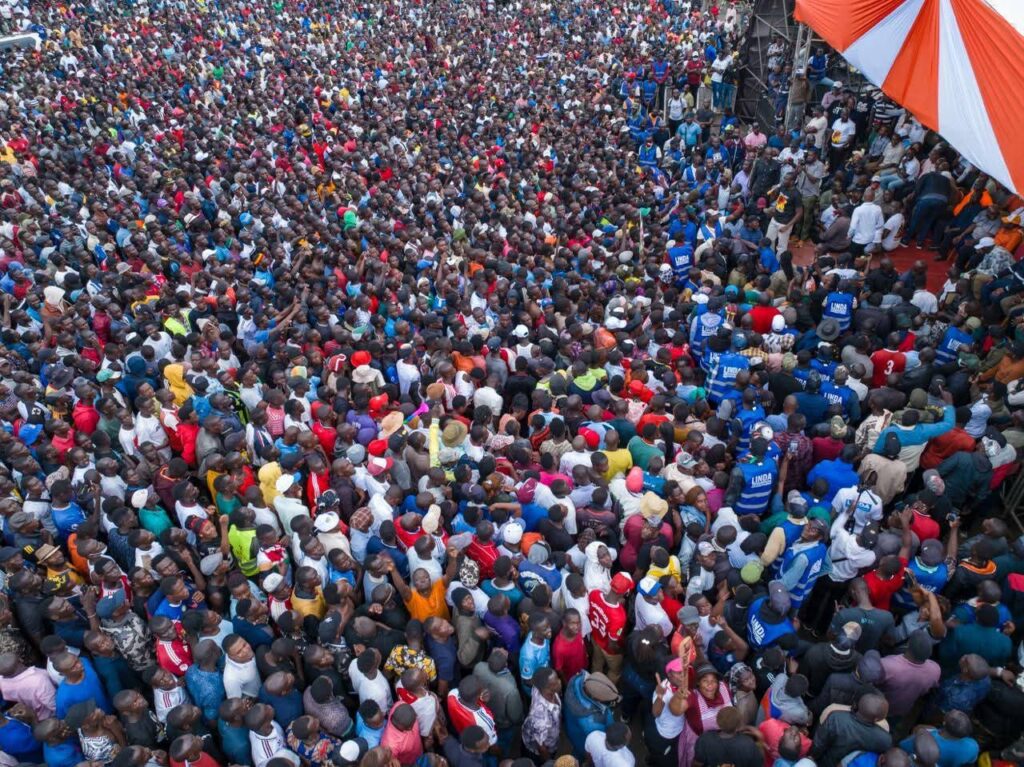
If the coalition that brought Ruto to power weakens, if the broad-based effect around Raila fades, and if smaller parties become swing actors, then the President’s so-called breathless nights may not be political exaggeration.
They may be political mathematics.
