


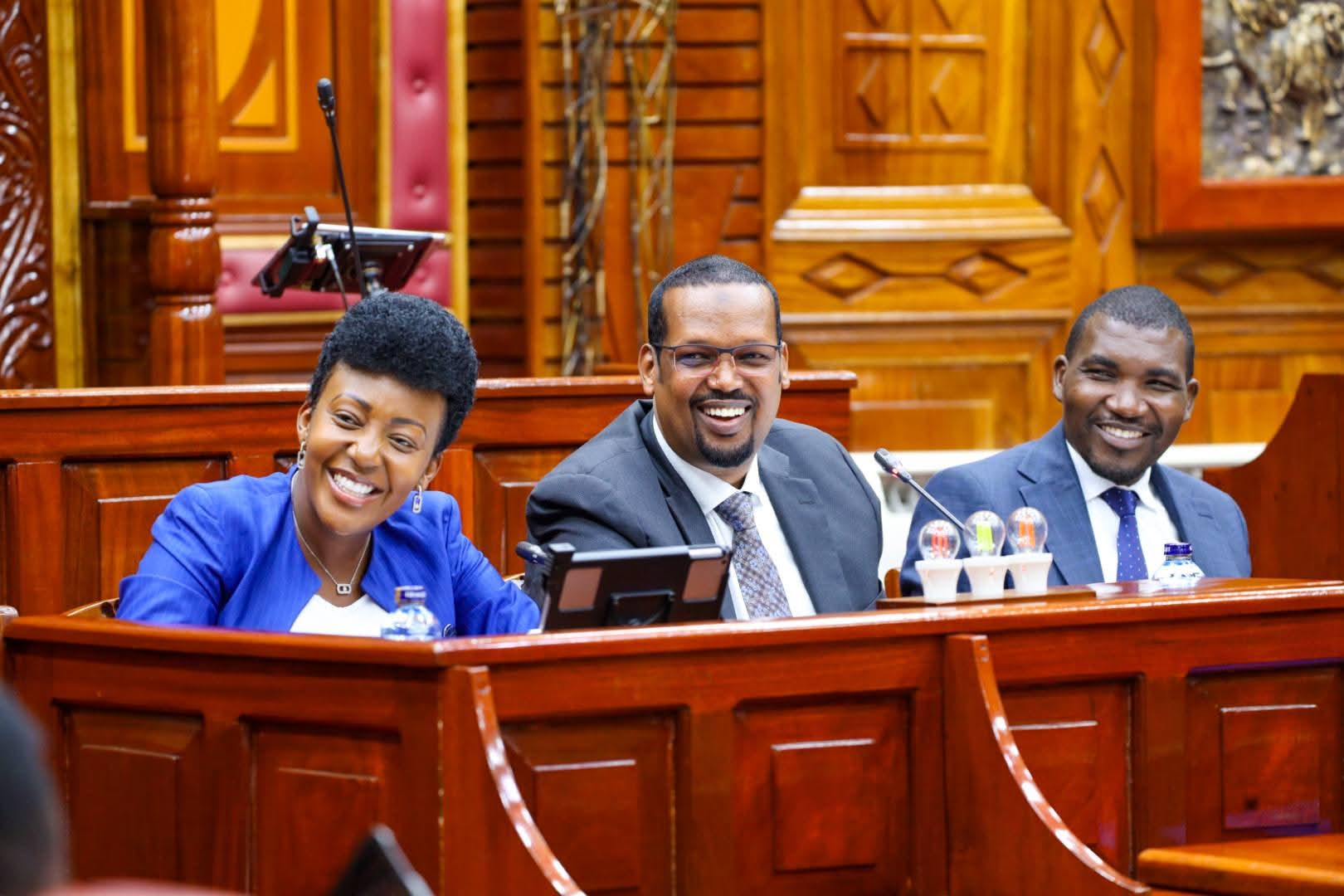
Counties are on course to secure a bigger share of national revenue after the Senate and the Council of Governors (CoG) struck a joint position rejecting the National Assembly’s proposed Ksh420 billion allocation for the 2026/27 financial year.
The breakthrough emerged during a high-level consultative meeting bringing together the Senate, CoG and the Commission on Revenue Allocation, with leaders pushing for a substantial increase to sustain devolved functions and rising financial obligations.
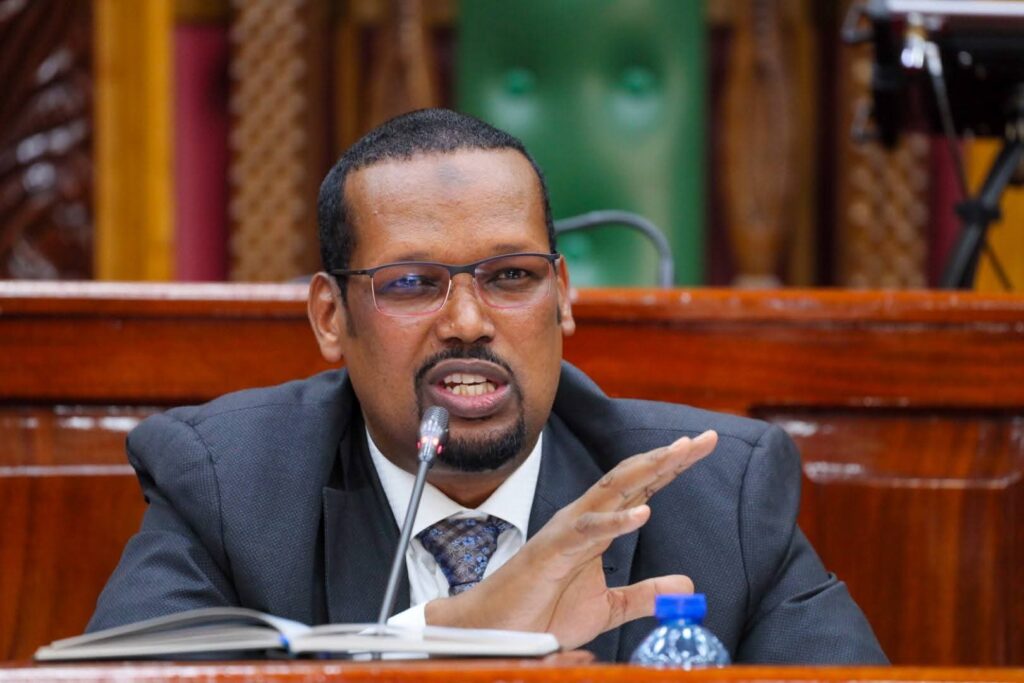
The Senate Finance and Budget Committee, chaired by Ali Roba, insisted that any increment beyond the current baseline must be tied to a clear plan by counties to settle pending bills that continue to cripple local economies.
Roba emphasized that contractors and small businesses have borne the brunt of delayed payments, warning that additional funds must prioritize clearing the backlog.
“Any increase over Ksh415 billion must go toward clearing pending bills to ease pressure on contractors across the country,” he said
The pending bills crisis remains a major concern, with national figures estimated at Ksh458 billion, including Ksh172 billion owed by county governments.
At the same time, senators moved to safeguard county autonomy by maintaining that funding for Universal Health Coverage (UHC) must be anchored within the equitable share and not issued as conditional grants.
According to Roba, once funds are captured under the Division of Revenue framework, they must be shared strictly based on the legal formula.
The Commission on Revenue Allocation, through its Chairperson Mary Chebukati, backed calls for a higher allocation, terming the National Treasury’s proposal inadequate.
Chebukati noted that the proposed Ksh5 billion increment cannot sustain the mandatory 5.8 percent annual wage increase, recommending a revised allocation of Ksh458.9 billion to factor in revenue growth and the Ksh8.94 billion required for UHC workers.
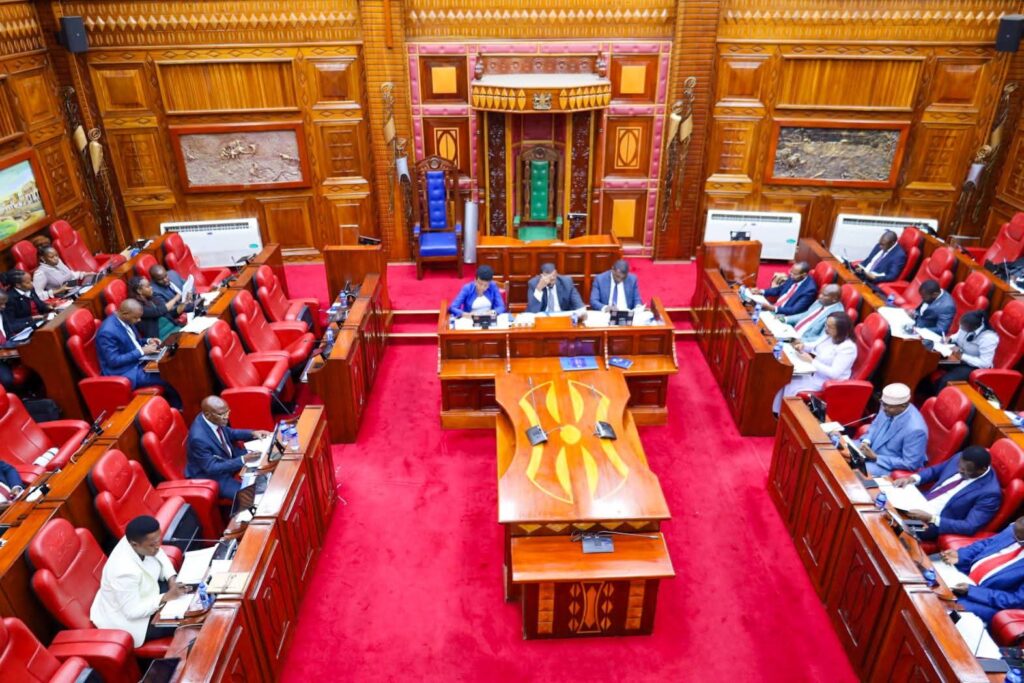
While the Senate signaled support for a figure close to Ksh450 billion, CoG Chairperson Ahmed Abdullahi argued that counties require up to Ksh534.96 billion to effectively deliver services.
He told senators that the higher figure accounts for Ksh10.06 billion in salary arrears and Ksh65.97 billion needed to fund devolved functions that remain under-resourced, particularly in health, agriculture and water sectors.
A key outcome of the talks was a consensus to fully absorb UHC staff into county payrolls, with the Ksh8.94 billion allocation set to be treated as unconditional funding to guarantee stability for healthcare workers starting July 2026.
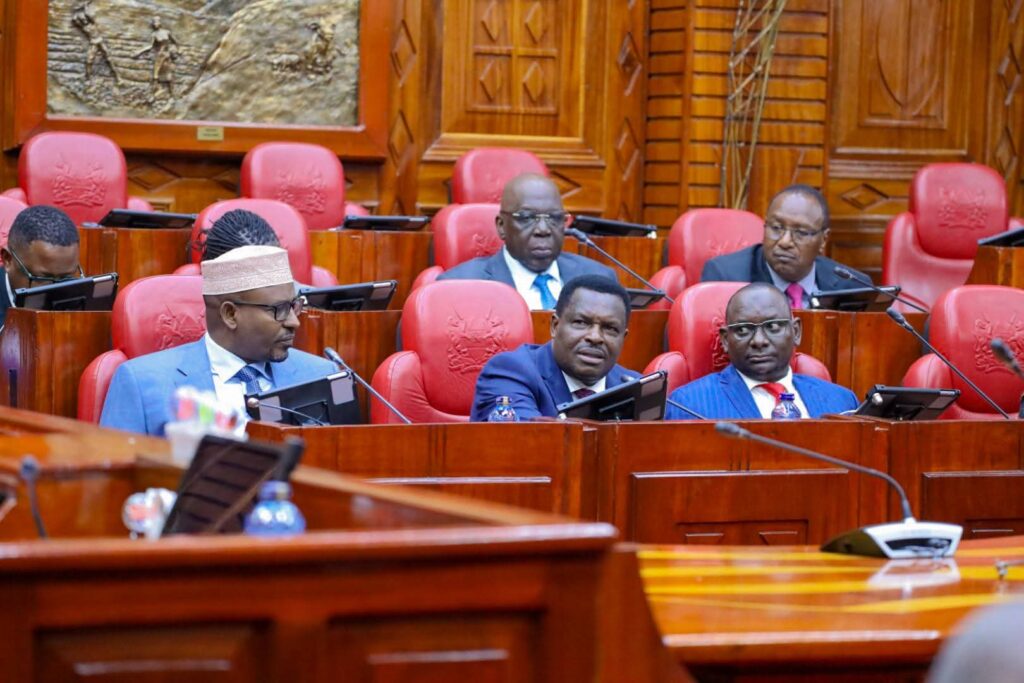
Governors also urged the Senate to lobby the National Treasury to stop treating county allocations as residual funds after national expenditure. Instead, they want statutory funds such as NG-CDF and affirmative action funds deducted from the national government’s share—not the total shareable revenue.
The emerging alliance between the Senate and governors now sets the stage for a fresh budget showdown, as counties push for a bigger slice of the national cake amid mounting financial pressure and growing demand for service delivery.
