


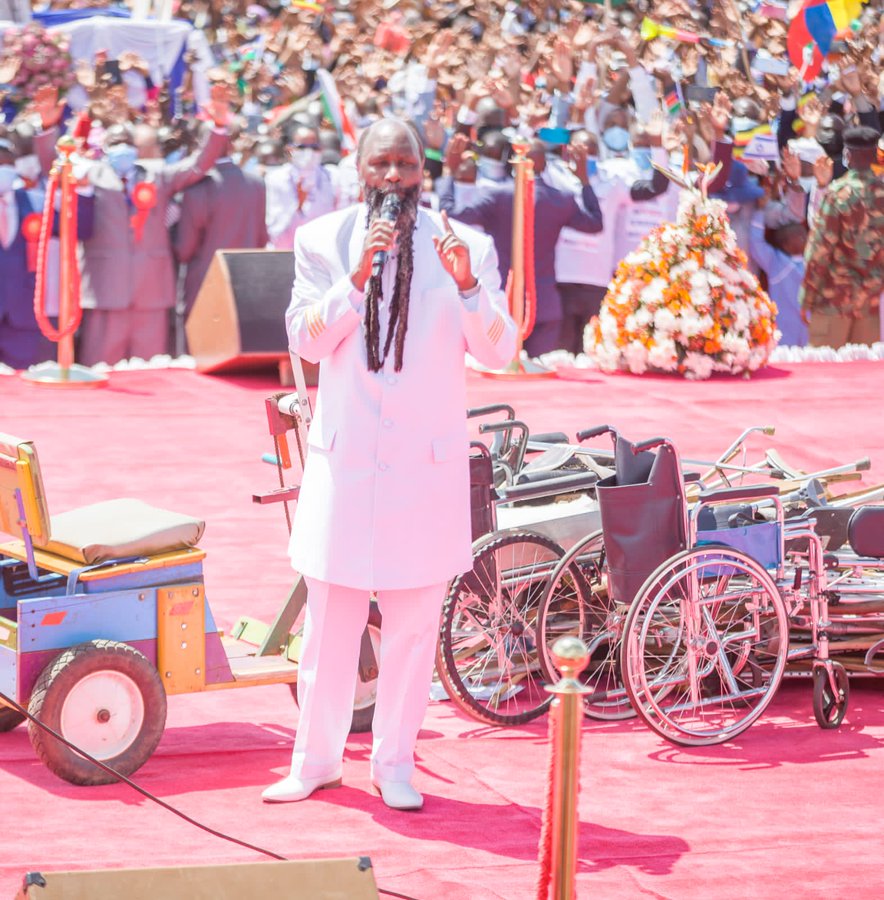
A major religious gathering held in Nakuru in December 2025 has returned to the national spotlight following a damning investigation by TV47 Exposé, which raises serious questions about miracle healing claims linked to self-proclaimed prophet Dr David Owuor.
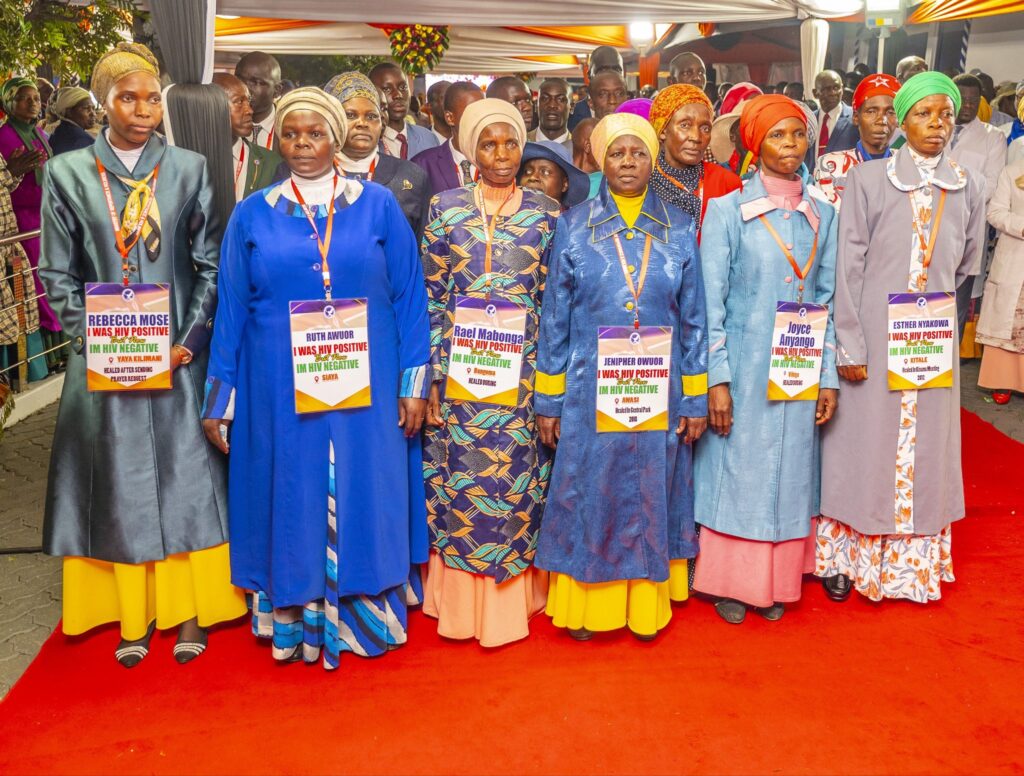
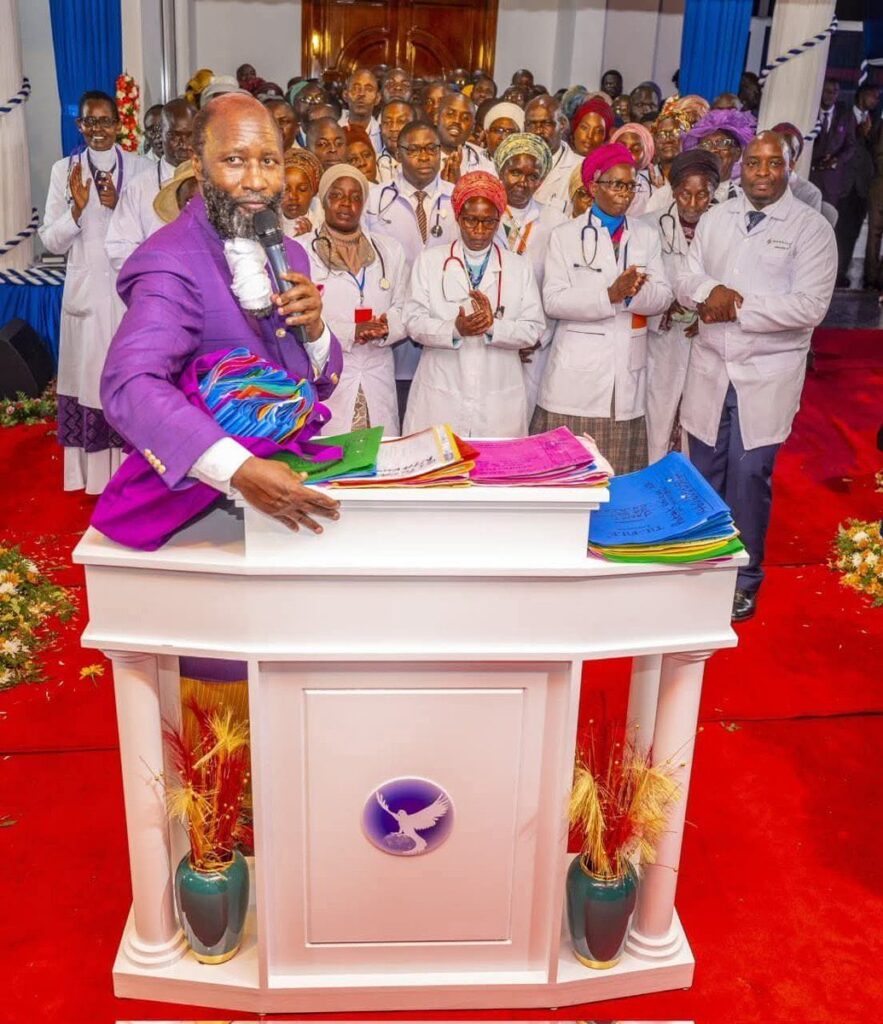
The crossover crusade, organised by the Ministry of Repentance and Holiness Church, attracted tens of thousands of worshippers and effectively brought parts of Nakuru City to a standstill. At the height of the multi-day event, Dr Owuor declared that several attendees had been miraculously healed of chronic and life-threatening conditions, including HIV/AIDS, cancer, blindness and deafness.
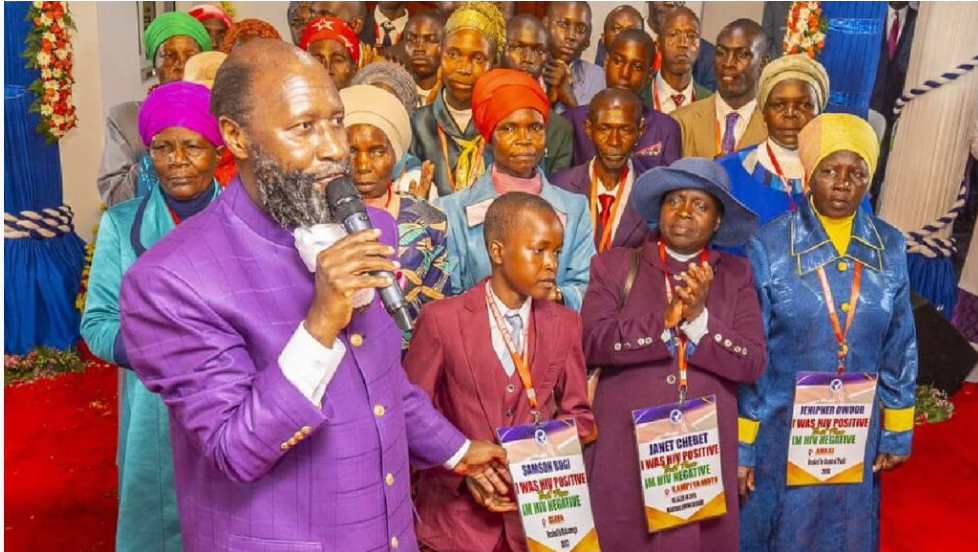
The ministry further claimed that some of the healings had been medically verified by doctors present at the crusade — an assertion that immediately triggered widespread debate, concern from medical professionals and scrutiny from government agencies.
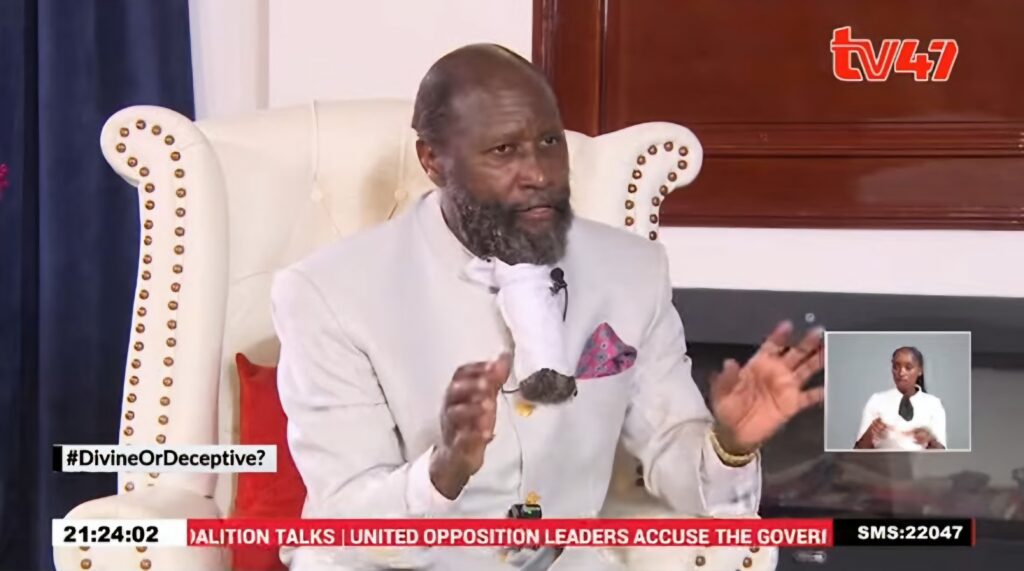
It is these claims that prompted TV47 Exposé to launch an independent investigation to establish whether the alleged miracles stood up to medical and documentary scrutiny.
TV47’s inquiry led journalists to Laikipia County, particularly Nanyuki, where several testimonies linked to the ministry have previously originated.
One of the most prominent cases examined involved a man identified as Peter Oyan, who had publicly testified that he was healed of HIV after prayers by Prophet Owuor.
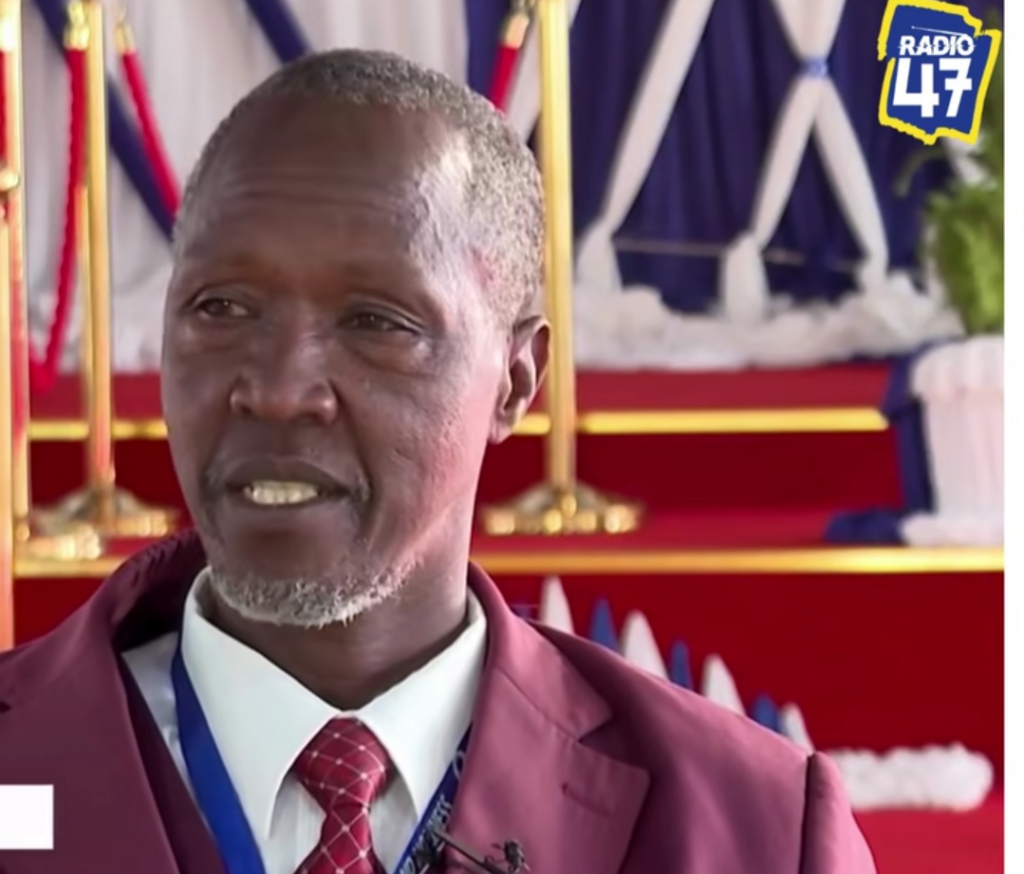
Oyan told TV47 that he was diagnosed as HIV-positive in 2012 at Rumuruti District Hospital and remained on treatment until 2013, when he attended one of the ministry’s revival meetings in Nakuru. According to him, prayers at the crusade resulted in complete healing, after which he allegedly tested HIV-negative at several health facilities, including through a DNA PCR test.
However, when TV47 sought to independently verify his account, hospital records reportedly painted a very different picture.
Officials at Rumuruti District Hospital told the broadcaster that Oyan had no record of ever being diagnosed or treated for HIV at the facility. Further checks revealed that the patient and CCC numbers on documents presented in support of his claim belonged to other individuals, including a female patient from the same region.
Medical staff interviewed during the investigation maintained that HIV remains a complex viral infection that requires scientifically proven antiretroviral treatment, warning against narratives that suggest instant cures.
TV47’s probe further revealed inconsistencies in documents presented from other health facilities. At one centre where Oyan claimed he had tested HIV-negative, officials dismissed the records as fake, while Karen Hospital in Nairobi confirmed that his name did not exist in their system despite claims that he had been tested there.
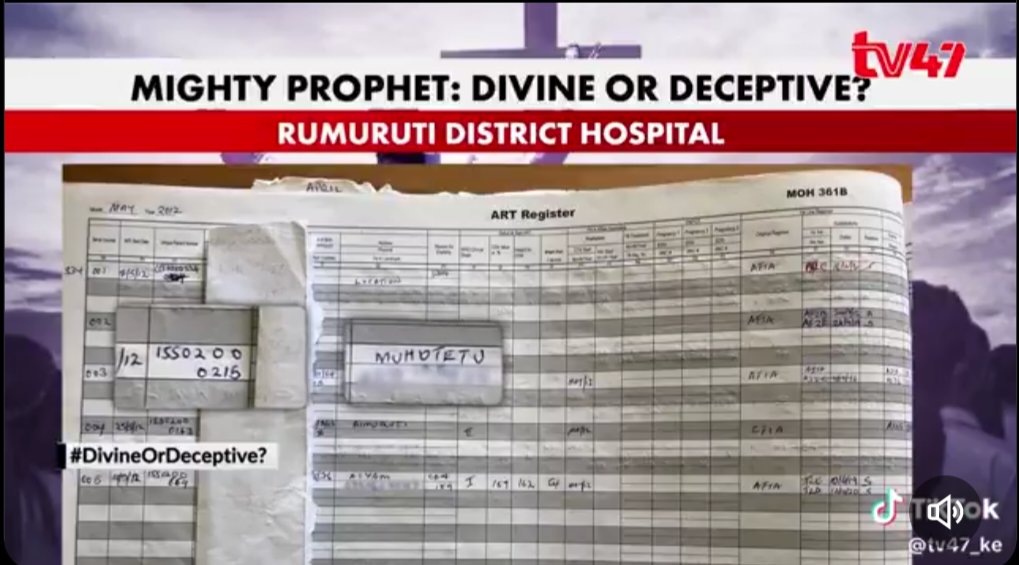
Medical experts consulted by TV47 concluded that there was no credible evidence to show that Oyan was ever HIV-positive, let alone cured through any intervention associated with the ministry.
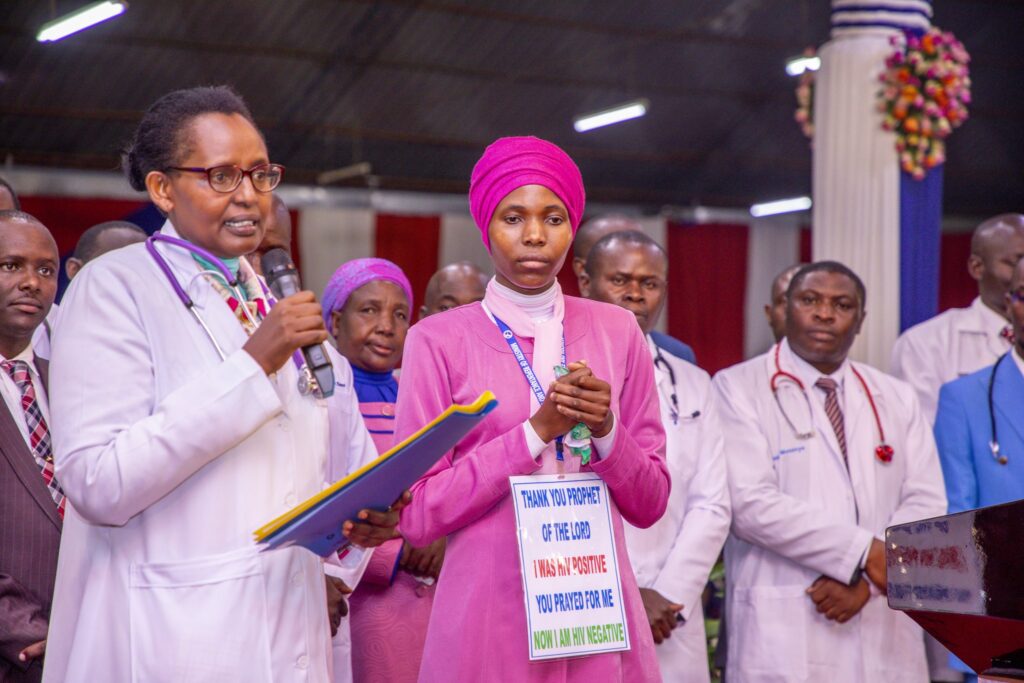
Another case that drew attention during the investigation involved 27-year-old Rebecca Mose, who also claimed to have been healed of HIV through Prophet Owuor’s ministry. Unlike other testimonies, Rebecca said her healing occurred remotely, initially claiming it followed a text message sent to the prophet by her mother in December 2024.
When pressed for proof, she later changed her account, stating that the healing came through an email sent by her pastor. She further claimed that her HIV patient file had been closed by the National AIDS and STIs Control Programme (NASCOP).
NASCOP officials, however, dismissed the claim, explaining to TV47 that patient files are not closed and that individuals who test positive are advised to begin lifelong treatment rather than repeatedly retest.
Despite the contradictions, Rebecca’s testimony was among those publicly endorsed by two Kenyan medical professionals during the Nakuru crusade — endorsements that later went viral on social media under the hashtag #ScienceBows. Beyond disputed documents and conflicting accounts, the TV47 Exposé also highlighted the human cost of unverified healing claims. A woman from Laikipia County, identified only as Mary to protect her identity, told TV47 that she sought healing for her daughter through the ministry after losing faith in conventional medicine.
She said repeated declarations of healing led her to abandon medical treatment, but her daughter’s condition deteriorated and she later died. Disillusioned, the woman said she left the church, describing her experience as one marked by false hope and devastating loss.
The revelations prompted swift reactions from the medical and regulatory community. On January 3, the Kenya Medical Practitioners and Dentists Council (KMPDC) raised concern over claims of curing chronic illnesses such as HIV and cancer without verifiable medical evidence, warning that such narratives could endanger lives.
Health Cabinet Secretary Aden Duale also weighed in, cautioning against faith-based messages that undermine established medical care and place patients at risk. Prophet Owuor has since dismissed the criticism, insisting that healings linked to his ministry are medically verified and claiming that his verification processes exceed government standards.
However, the National Council of Churches of Kenya (NCCK) distanced itself from the miracle cure claims, urging caution among believers — a position the prophet has publicly rejected.
TV47 Exposé also revisited earlier controversies surrounding Owuor’s ministry, including the widely publicised 2017 claim that he had resurrected a woman known as Mama Rosa, who later died in 2019, as well as allegations raised by former insiders and whistleblowers. As Kenya continues to grapple with the intersection of faith, medicine and accountability, the investigation has reignited calls for stronger oversight of miracle healing claims — with health experts maintaining that faith should never replace scientifically proven medical treatment, particularly for chronic and life-threatening conditions.
