


As families across Kitui County endure chronic water shortages—walking long distances or buying expensive water from vendors—senators on Wednesday laid bare what they termed deep-seated mismanagement within the county’s water sector.
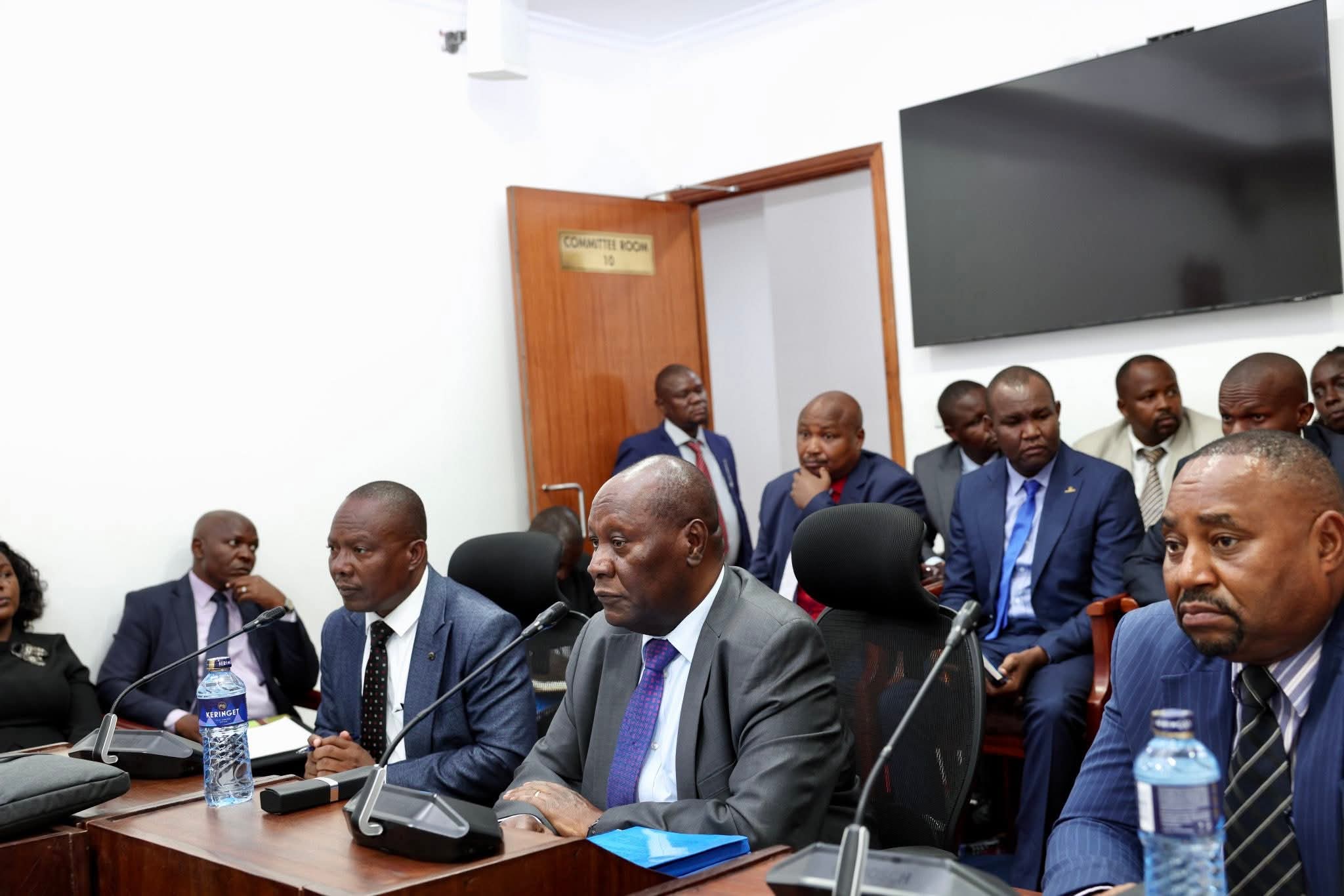
Governor Julius Malombe appeared before the Senate County Public Investment and Special Funds Committee as auditors revealed that the two companies responsible for supplying water in Kitui are financially distressed, operationally weak, and at risk of collapse—failures senators said directly explain why taps remain dry across large parts of the county.

The session, chaired by Senator Peris Tobiko, focused on Kiambere Mwingi Water and Sanitation Company (KIMWASCO) and Kitui Water and Sanitation Company (KITWASCO), both of which have recorded persistent losses, stalled projects, and controversial financial decisions that place consumer funds at risk.
Water Companies on the Brink
Auditors warned of “material uncertainty” over the future of both utilities, raising concerns that they may be unable to sustain operations.

KIMWASCO reported a negative working capital of Ksh 40.9 million, while KITWASCO posted losses of Ksh 19.6 million during the year under review—an indication that the companies are spending more than they earn, even as residents grapple with unreliable water supply.
Senator Tobiko told the Governor that the findings reflected a breakdown of accountability in institutions entrusted with an essential public service.
“These are not just figures in an audit report. They represent a betrayal of public trust,” she said, warning that the committee would not overlook what she termed the repeated misuse of public and consumer funds.
Customer Deposits Used to Keep Operations Alive
One of the most troubling disclosures before the Senate was the admission that both water companies borrowed customer deposits—money paid by residents as security for water connections—to survive operational challenges.
KIMWASCO acknowledged using Ksh 9.3 million from customer deposits to address pump failures, while KITWASCO diverted Ksh 19.6 million to finance operations and projects, including the stalled Ilimukuyu Dam.
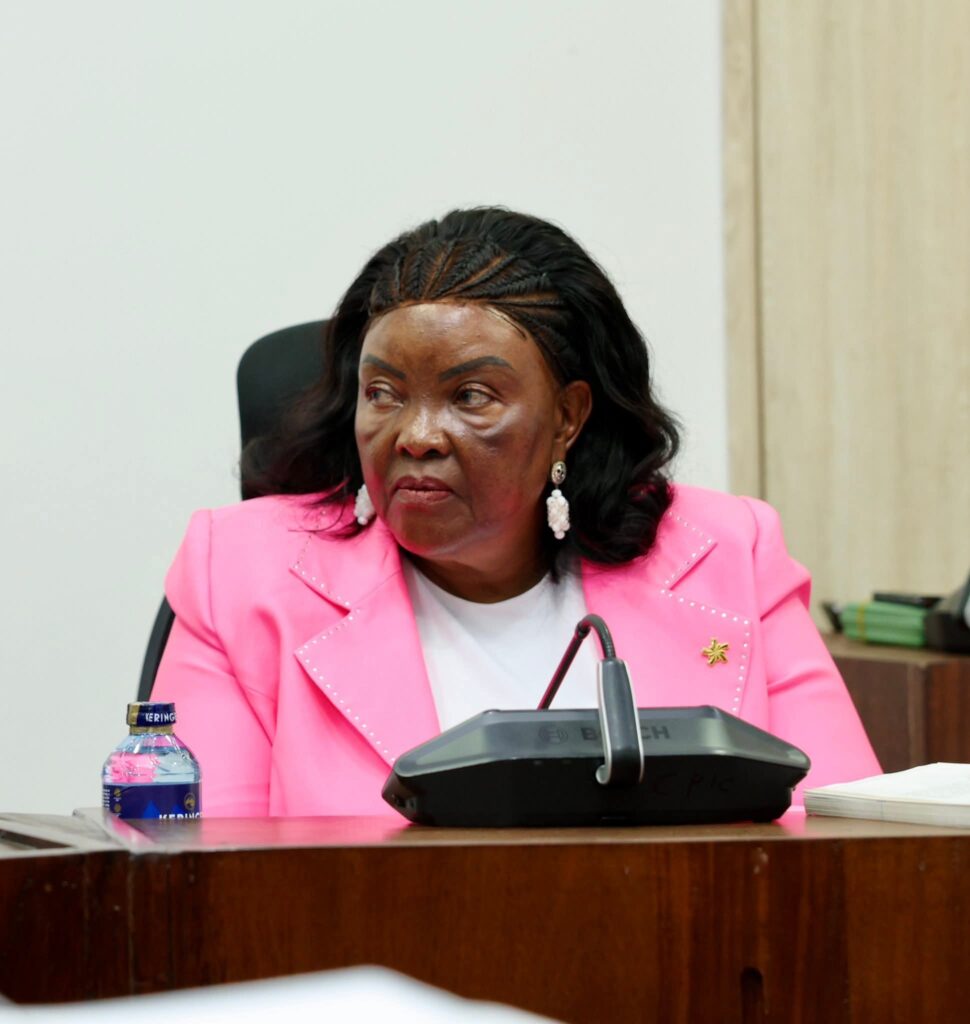
Senator Agnes Kavindu questioned the legality and ethics of the practice, noting that residents were effectively being forced to bankroll mismanagement.
“It is unacceptable to treat the hard-earned deposits of Kitui residents as a flexible credit line,” she said
Stalled Dam, Lost Water
The committee also turned its attention to the Ilimukuyu Dam project, which has reached only 70 per cent completion despite full payment to the contractor.
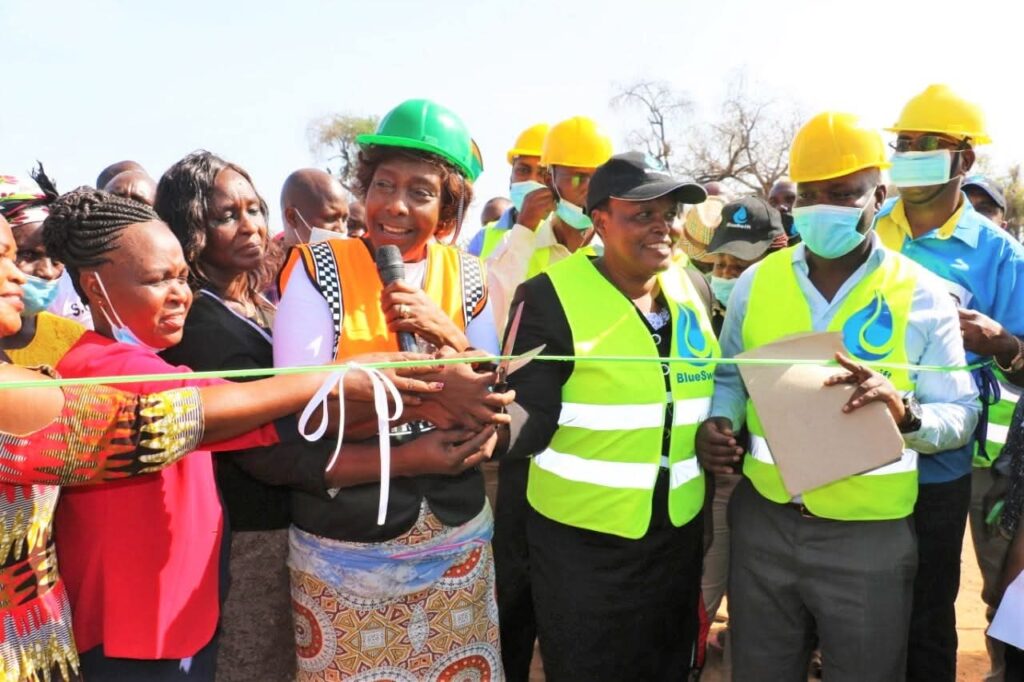
Senators said the stalled project symbolises the disconnect between spending and service delivery, as communities that were promised relief from water shortages continue to suffer.
KITWASCO’s non-revenue water levels, which stand at 46 per cent—meaning nearly half of the treated water is lost through leaks, theft, or poor billing systems.

Governor Malombe defended his administration, citing inherited infrastructure challenges and long-standing operational weaknesses within the water companies.
He told the committee that measures are underway to stabilise the sector, including the installation of new high-lift pumps at Kiambere and a shift toward consumption-based tariffs to improve revenue collection.
“We are working to reverse these trends and restore financial stability,” the Governor said.
Senate Demands Accountability
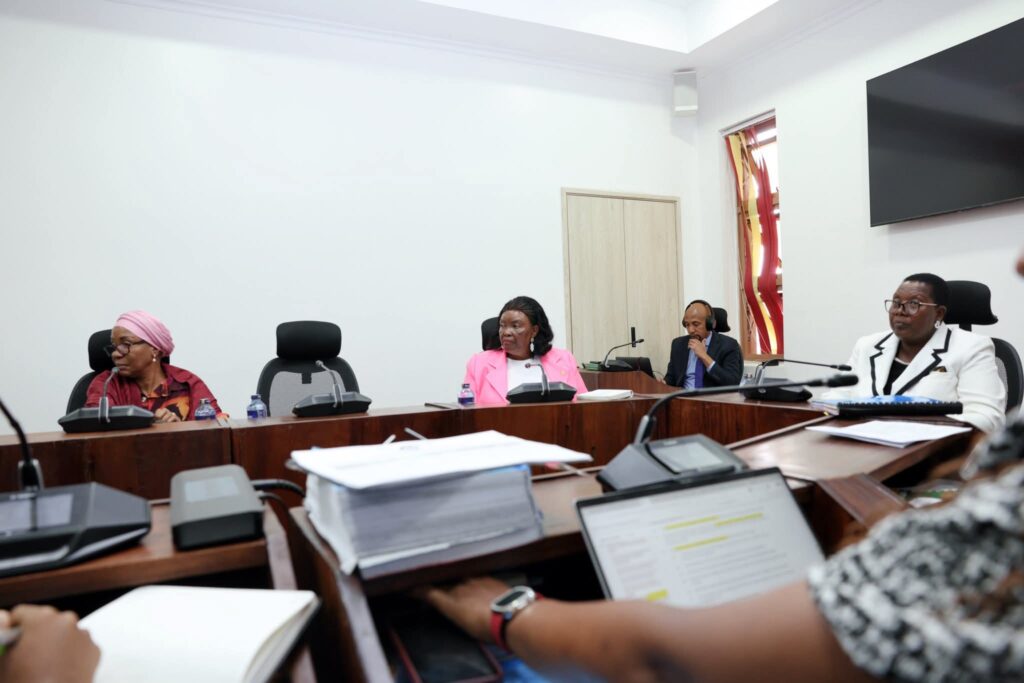
The committee directed the Governor to submit a comprehensive debt recovery plan and proof that all customer deposits used by the water companies will be refunded by the end of the current quarter.
For residents of Kitui, senators said, the test will not be in reports or promises—but in whether water finally flows reliably from their taps.
