



Kamba music lovers and industry insiders are shocked after Kalima Boys Band leader, Mbutu Kwayo, ran into controversy over playing the copyrighted songs of the late legendary Kamba musician, Musyoki Kijana.
Local influencer and vernacular radio presenter Ututi WA Kyuma stated that the late Musyoki’s widow, Marietta Musyoki, demanded a lump-sum compensation of Ksh 11 million in damage , claiming that Mbutu Kwayo infringed exclusive copyright rights by performing and broadcasting a live recording of her late husband’s song on local television.

The matter was brought to the attention of the Kenya Copyright Board (KECOBO), which advised both parties to resolve the matter internally or face legal action.
The dispute escalated during negotiations, initially involving a demand of Ksh 11, to 5 million that was later reduced to Ksh 300,000. Mbutu Kwayo paid Ksh 40,000 upfront and committed to settling the remaining balance.
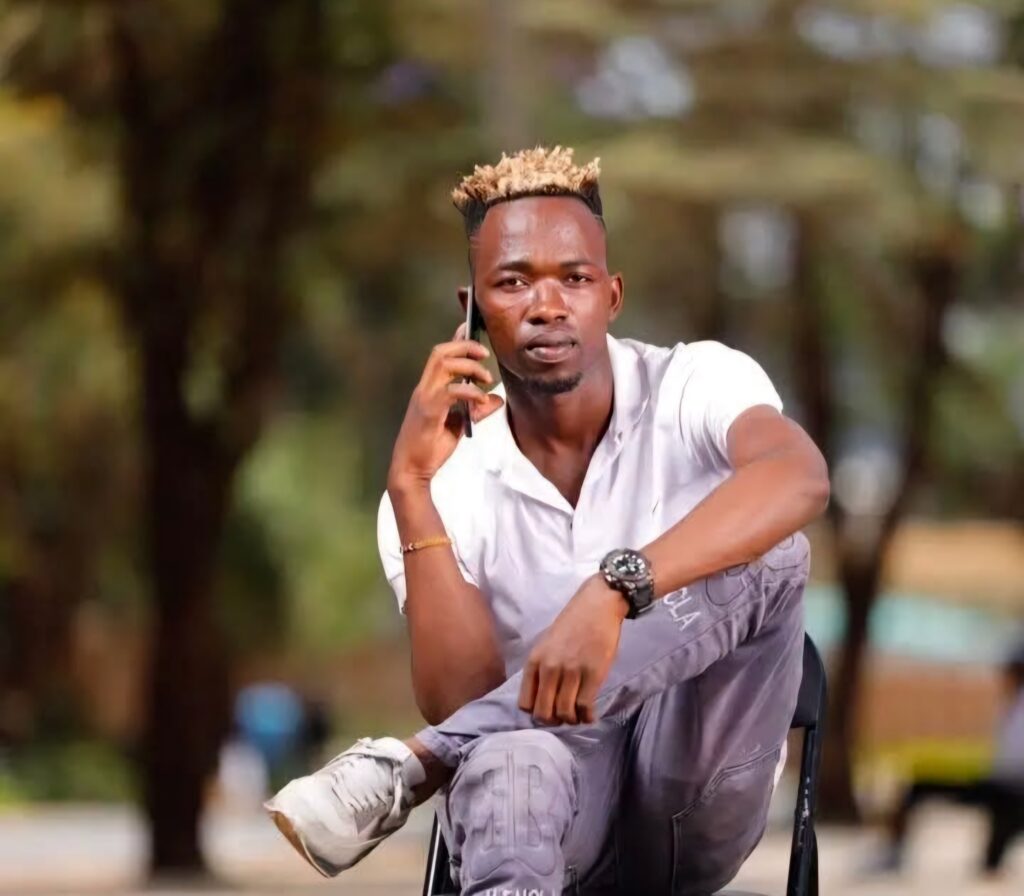
The controversy which was a trending topic across social media platforms drew reactions from prominent Kamba music artists such as Alex Katombi, who is also a Kamba benga performer, expressing concern that the alleged infringement disrespected the legacy of Musyoki Kijana and emphasized the importance of observing copyright laws in Kamba music.

Stella Mengele, a Kamba gospel artist, weighed in by urging artists to properly understand and follow copyright and succession laws before disputes arise.
Ututi added that Marietta Musyoki maintains a list of other notable Kamba artists whom she is threatening with legal action over alleged infringement of her late husband’s copyrighted works.
Under Kenyan law, all musical works and sound recordings are automatically protected under the Copyright Act, Cap 130. Public performance or broadcast of copyrighted songs without authorization from the copyright holder or their legal heirs constitutes copyright infringement.

The law allows copyright owners to pursue civil remedies, including damages or injunctions, and in serious cases, criminal sanctions such as fines and imprisonment.
In this case, Marietta Musyoki represents the legal rights of her late husband’s estate. Her insistence on compensation enforces her rights under Kenyan law, while Mbutu Kwayo’s partial settlement may prevent immediate legal escalation, though further action could follow if the agreement is not fully honored.
The incident has reignited discussion on the protection of Kamba music heritage, with fans and industry insiders calling for strict adherence to copyright laws to safeguard the legacy of legendary artists like Musyoki Kijana.
A KECOBO official who is not authorized to speak to the press , told Channel 15 News that playing songs without permission is not only disrespectful but illegal, and artists must secure authorization before public use of copyrighted works.
According to the official, Mbutu Kwayo is expected to settle the remaining balance legally as agreed or face strict legal punishment, while Marietta Musyoki has a right in succession to continue to insist that the integrity of her late husband’s music and legacy be fully respected
