


Kitui Central politics is entering unfamiliar territory following the entry of National Liberal Party (NLP) leader Dr Augustus Kyalo Muli into the parliamentary race, a move that has begun to redraw political lines ahead of the 2027 General Election.
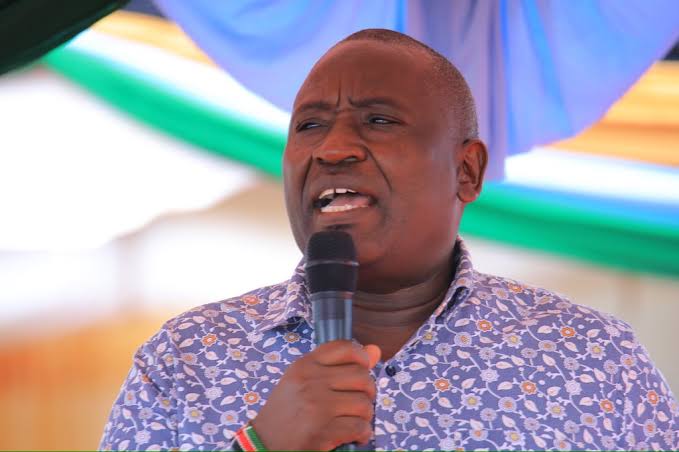
For more than a decade, the constituency’s political landscape revolved around Dr Makali Mulu, whose repeated electoral victories established him as a dominant and almost immovable figure. In the 2022 General Election, Makali did not merely win; he asserted overwhelming authority, pulling tens of thousands of votes and leaving his challengers trailing far behind. The margin was so wide that it underscored a central truth: Kitui Central elections were not competitive contests but referendums on Makali’s continued leadership.
📸 Channel 15 News
Those who challenged him in 2022—some of whom are expected to re-emerge in 2027—struggled to convert name recognition into constituency-wide appeal. Their campaigns produced modest vote totals, revealing fragmented support bases that failed to stretch across wards or social groupings. While they succeeded in carving out pockets of loyalty, none came close to threatening Makali’s grip on the seat.
As Makali now turns his attention to the Kitui governorship, the political reality has changed in ways that cut both ways for his former challengers. On the one hand, the removal of a dominant incumbent lowers the psychological and structural barriers that once discouraged serious competition. On the other, the absence of Makali does not automatically elevate those who previously lost to him. Instead, it exposes the limitations of campaigns that were built primarily around opposing a political giant rather than articulating a compelling alternative leadership vision.
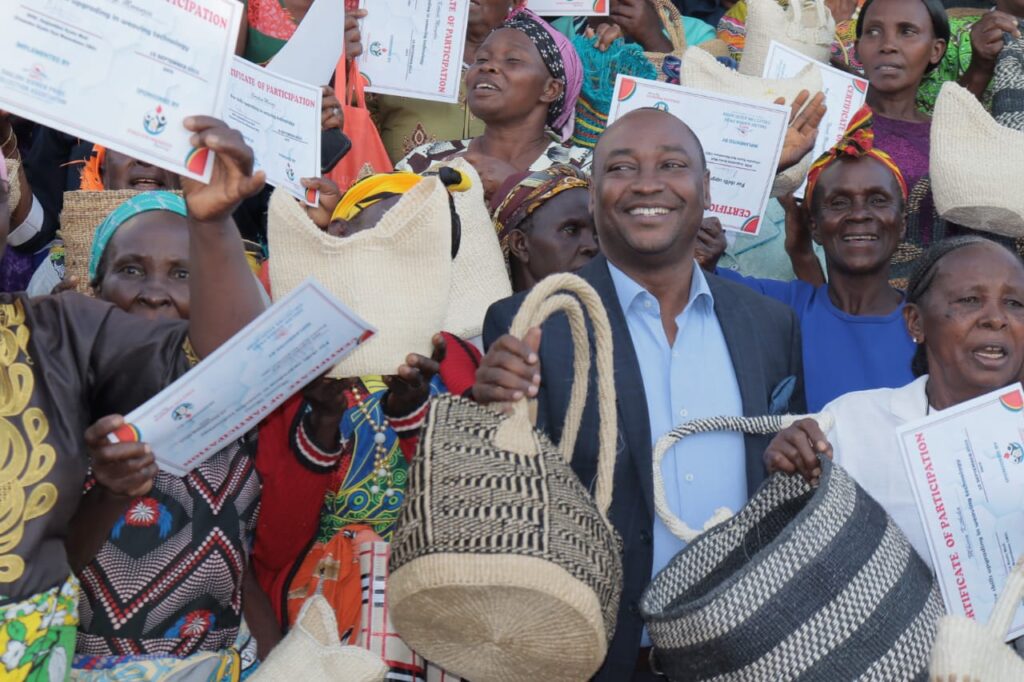
It is within this new context that Dr Augustus Kyalo Muli’s candidacy has gained momentum. Unlike past aspirants whose political profiles were defined by their contest with Makali, Muli enters a race that is being shaped from scratch. His support within the Anzauni community offers a consolidated and organised foundation—something that eluded many of his predecessors, whose backing remained dispersed and difficult to scale.
📸 Channel 15 News
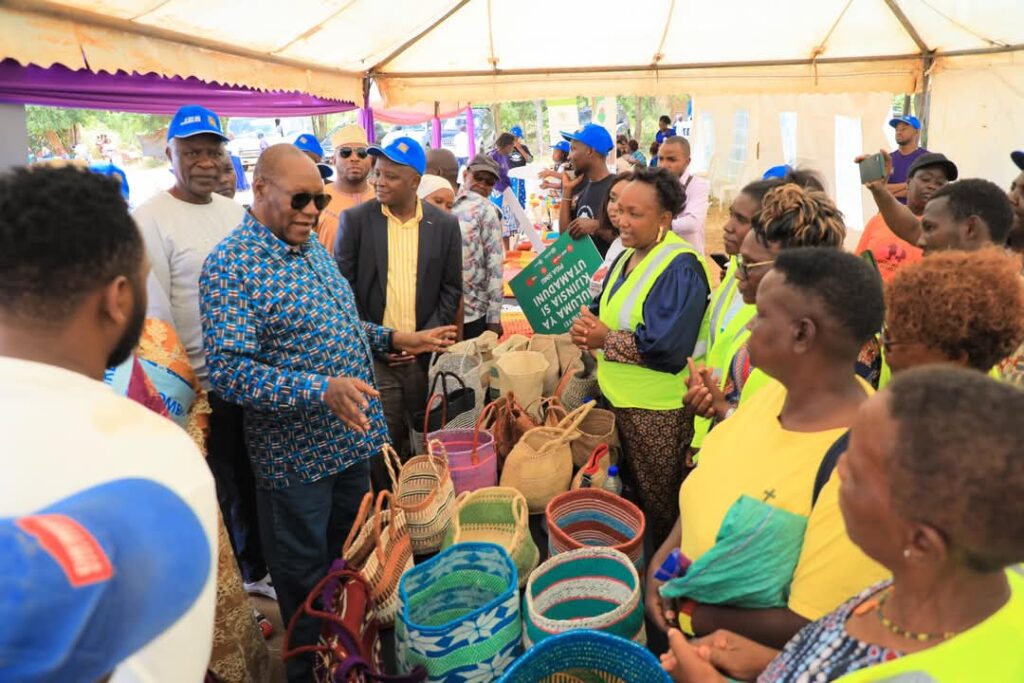
His long-running engagement through the Kyalo Kya Maendeleo Foundation further distinguishes him from former aspirants whose visibility surged only during election seasons. By embedding himself in community development initiatives well ahead of the campaign period, Muli has built a level of social capital that translates into trust rather than temporary enthusiasm.
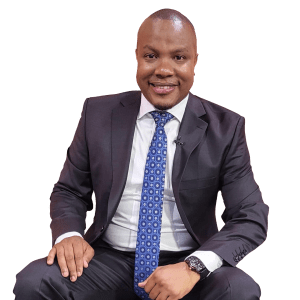
Crucially, Muli’s position as leader of the National Liberal Party adds a national dimension that few of Makali’s former challengers possessed. While previous aspirants struggled to match Makali’s policy influence and national reach, Muli arrives with independent political standing—capable of shaping alliances rather than chasing them. In a constituency that has grown accustomed to policy-oriented representation, this continuity of stature without incumbency fatigue is proving appealing.
📸 Channel 15 News
As a result, the post-Makali race is no longer about who finished second in 2022, but about who can command the broadest coalition in a new political era. Former aspirants must now reinvent themselves beyond their past performances, while voters weigh fresh leadership against familiar but previously unconvincing alternatives.
With the race still in its early stages, definitive outcomes remain premature. However, one trend is already clear: the exit of Makali Mulu has not levelled the field—it has reset it, and in that reset, Dr Augustus Kyalo Muli appears to be shaping the narrative rather than reacting to it.
Channel 15 News — Bold. Factual. Timely.
