


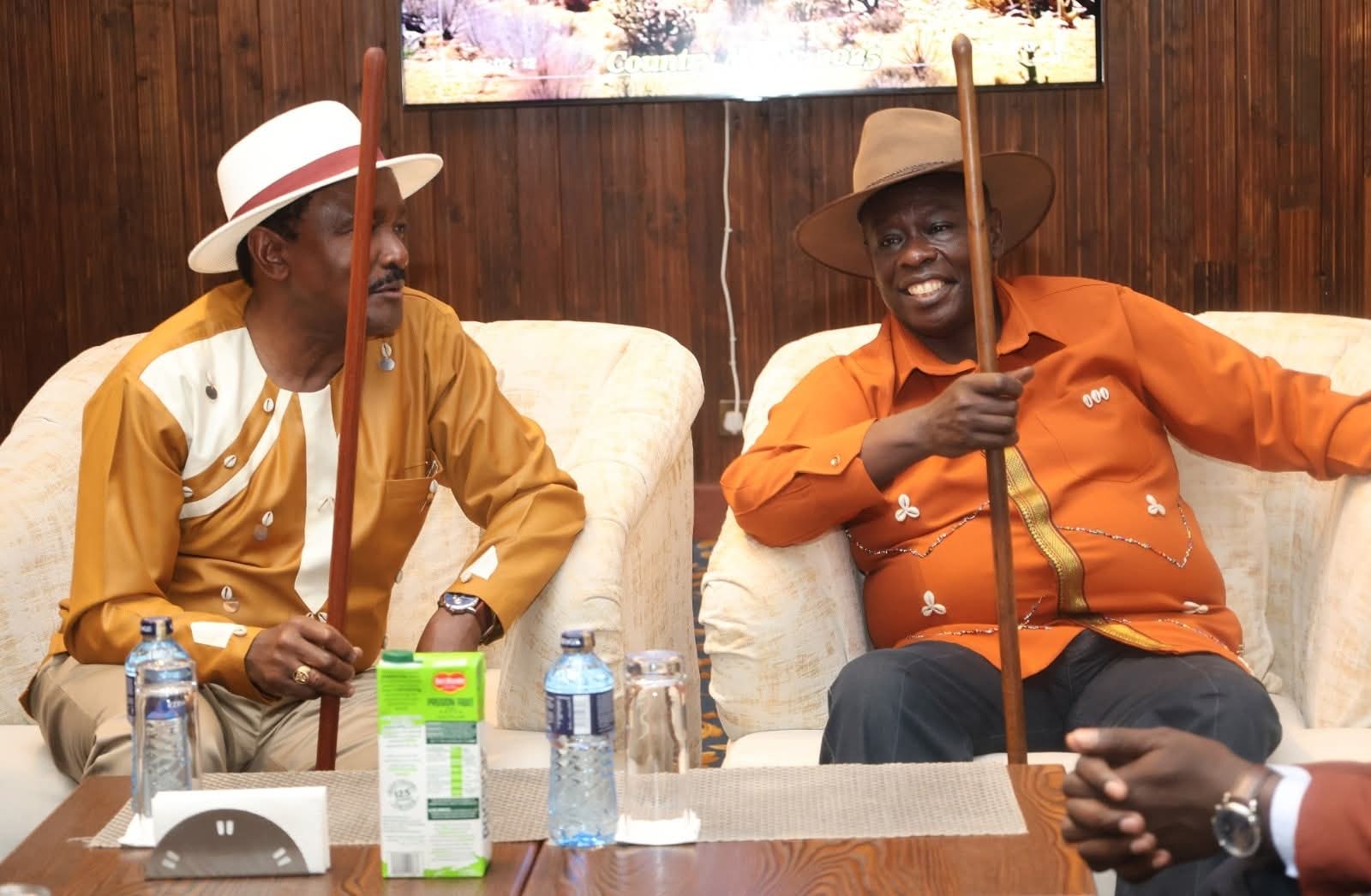
Behind the public handshakes, unity speeches and empowerment forums, a darker and more calculated 2027 script may already be unfolding — and according to former Machakos Senator Johnston Muthama, Wiper leader Kalonzo Musyoka could be its central pawn.
Muthama has claimed that Kalonzo is being quietly packaged as a “safe opponent” for President William Ruto, allegedly through a scheme engineered by former Deputy President Rigathi Gachagua to ensure the incumbent faces the most predictable rival possible at the ballot.
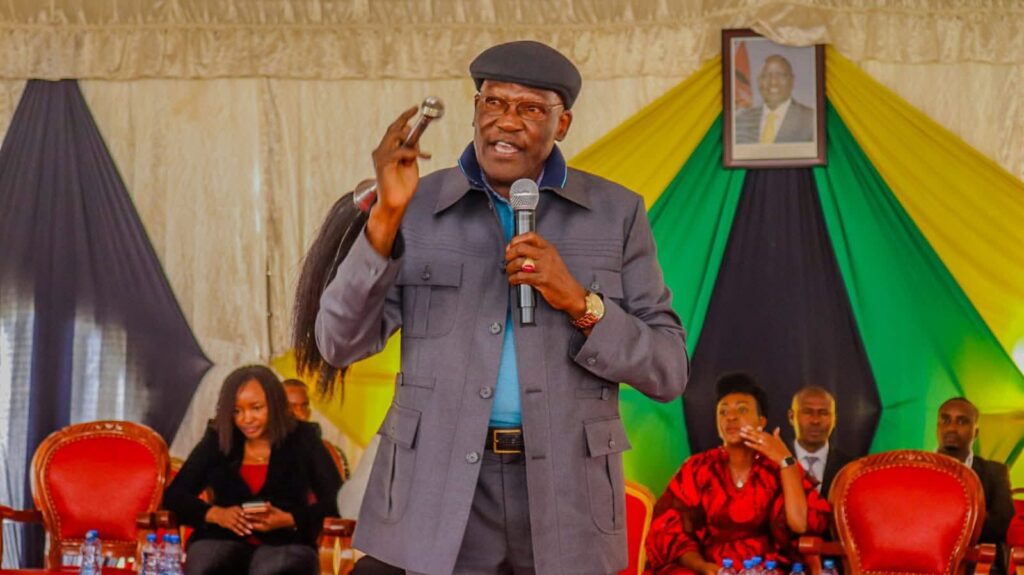
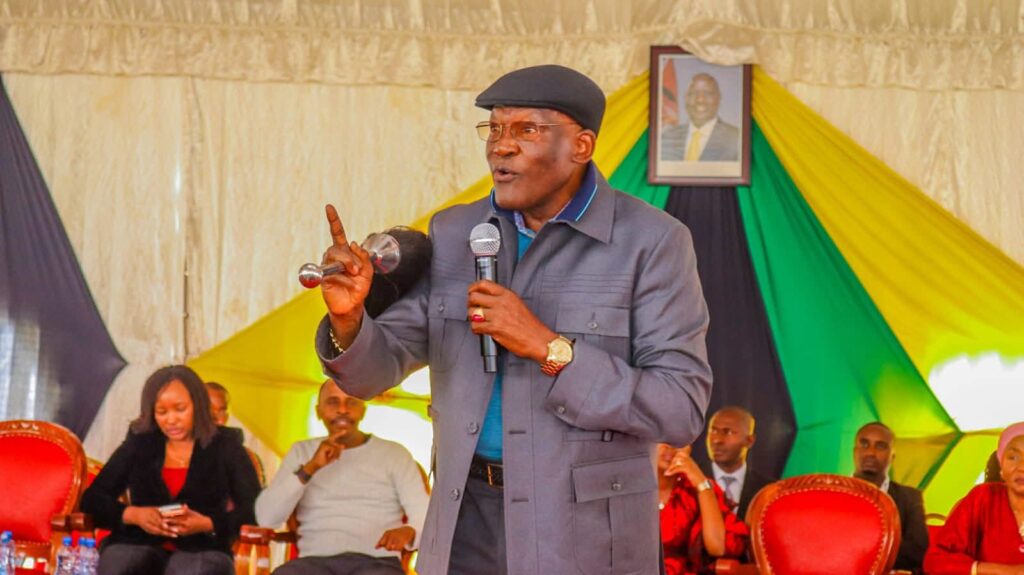
Speaking at an empowerment programme held at the Kenya Science Campus along Ngong Road , Nairobi County , Muthama suggested that the sudden push to rally behind Kalonzo is not driven by belief in his presidential viability, but by a cold political calculation: that Ruto already knows how to defeat him.
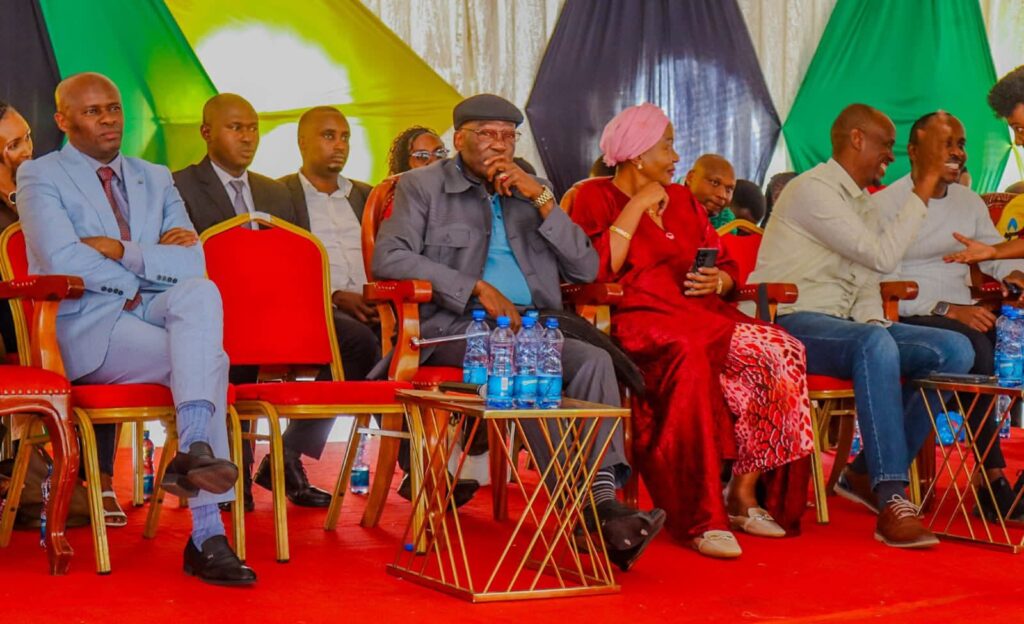
Sharing the stage with leaders drawn from across the political divide including Senator Tabitha Mutinda, Dagoretti South MP John Kiarie, Nairobi Woman Representative Esther Passaris, Mathare MP Anthony Oluoch, Senator Karen Nyamu and Kibwezi West MP Mwengi Mutuse , Muthama appeared keen to signal that elite consensus, not public enthusiasm, may be shaping the 2027 contest.
In remarks that stunned many of his Ukambani supporters, Muthama openly distanced himself from calls to endorse his longtime ally, questioning why anyone would campaign for a candidate already marked for defeat.
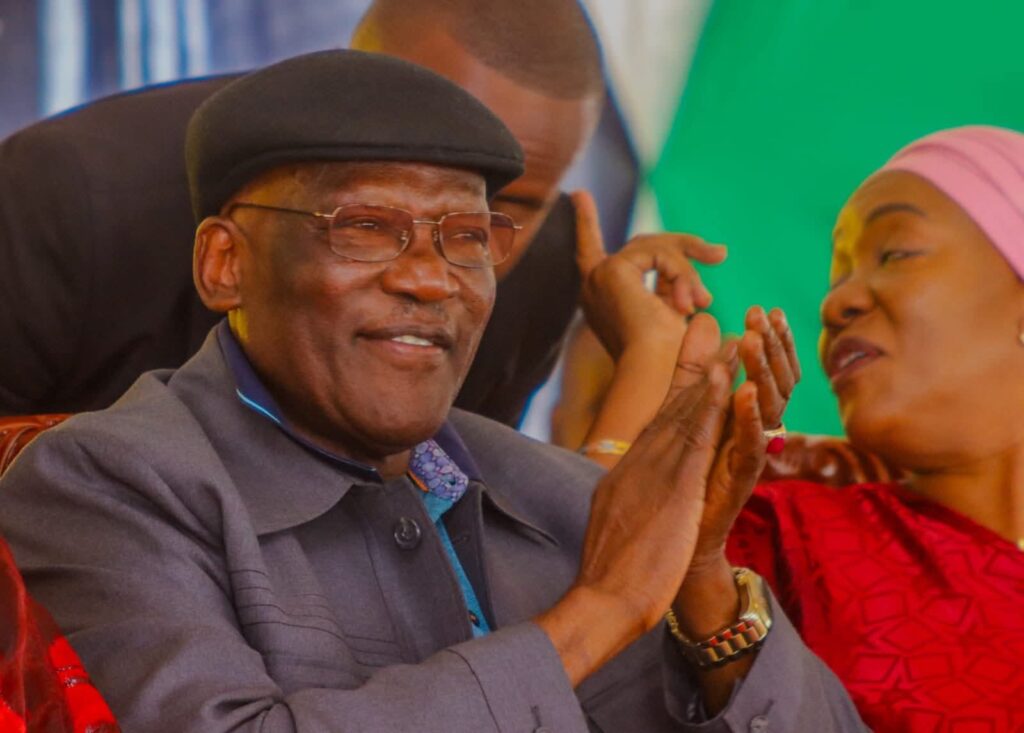
“I know many of you want me to declare my support for Kalonzo Musyoka,” Muthama said. “But I do not want to praise someone who will not become president. Let Ruto, Kalonzo and the others sell their manifestos to Kenyans.”
Political insiders say the statement was less about Kalonzo personally and more about a growing belief within power circles that his candidature serves a strategic purpose — consolidating opposition votes while posing minimal threat to the incumbent.
Muthama’s seemingly contradictory remark that Kalonzo is “staring at becoming the sixth president of Kenya” has only deepened speculation, with analysts suggesting the former senator may have been speaking in irony — a rhetorical move meant to expose what he believes is a staged succession narrative rather than a genuine path to State House.
Sources familiar with opposition negotiations claim that powerful actors prefer Kalonzo in the race precisely because he lacks the disruptive momentum of newer political forces, making him easier to isolate, outspend and ultimately defeat.
In this reading, Kalonzo’s role in 2027 would not be to win, but to absorb votes, neutralise rebellion, and legitimise an election whose outcome is already being silently choreographed.
Muthama also warned Kenyans against leaders who rely on tribal mobilisation, cautioning that ethnic rhetoric is often a tool used by political brokers to manipulate communities into supporting deals that serve elite interests rather than national unity.
If Muthama’s claims are anything to go by, the 2027 race may not be a battle of ideas at all, but a carefully managed contest where the opposition’s most familiar face is also its most convenient casualty.
Whether Kalonzo is an unwitting participant or a willing player in this alleged setup now becomes the question hanging over the Wiper leader — one that could redefine both his legacy and the credibility of Kenya’s opposition politics.
