


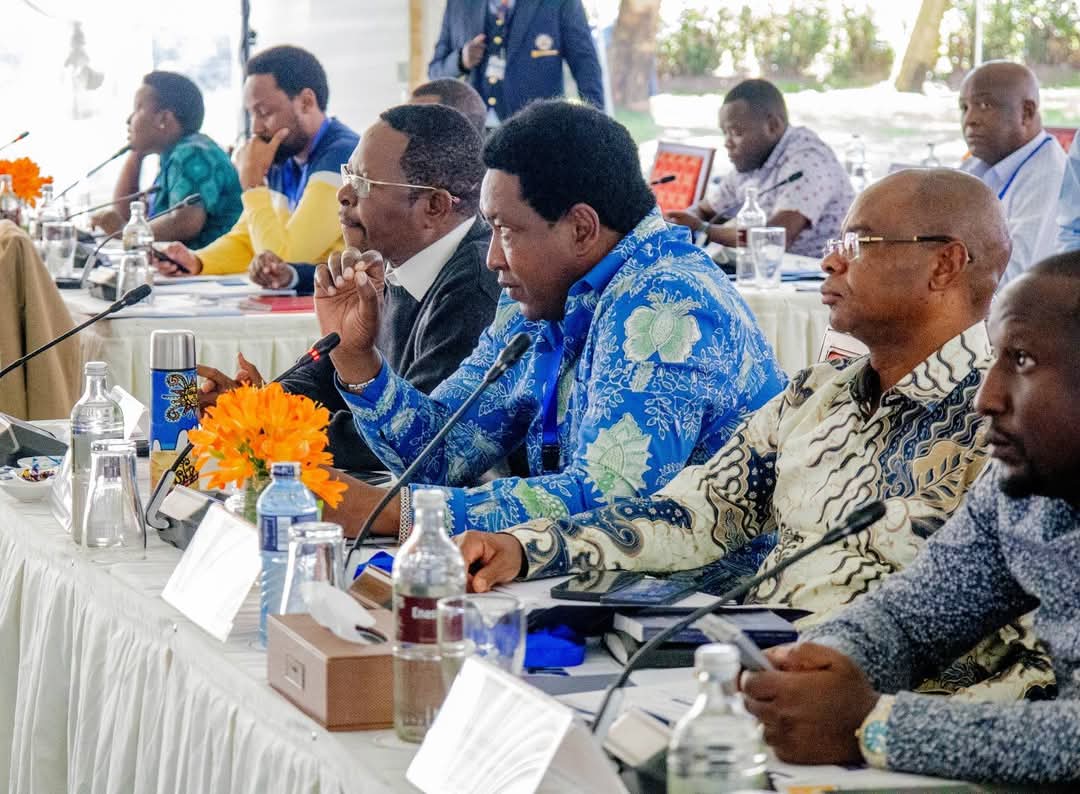
A fierce battle is brewing in the Senate over the Commission on Revenue Allocation’s (CRA) proposed Fourth Basis for Sharing Revenues among counties for the financial years 2025/2026 to 2029/2030. The proposal, which could see some counties lose funds, has sparked outrage among lawmakers attending the Senate midterm retreat in Naivasha.

Senators from across the political divide have vowed to shoot down any formula that results in reduced allocations for any county, arguing that the previous system has yet to be fully implemented. Nairobi Senator Edwin Sifuna made it clear that he would resist any move that leads to financial losses for counties.

“I will not appreciate any formula that will make Nairobi or any other county lose money,” Sifuna declared, setting the tone for an intense debate ahead.
Senate Finance Committee Chair Mandera Senator Ali Roba echoed Sifuna’s concerns, emphasizing that counties require more resources to execute devolved functions effectively. “Counties are holding devolved functions that are very basic. There must be a marginal increase of resources channeled to counties,” he stated.
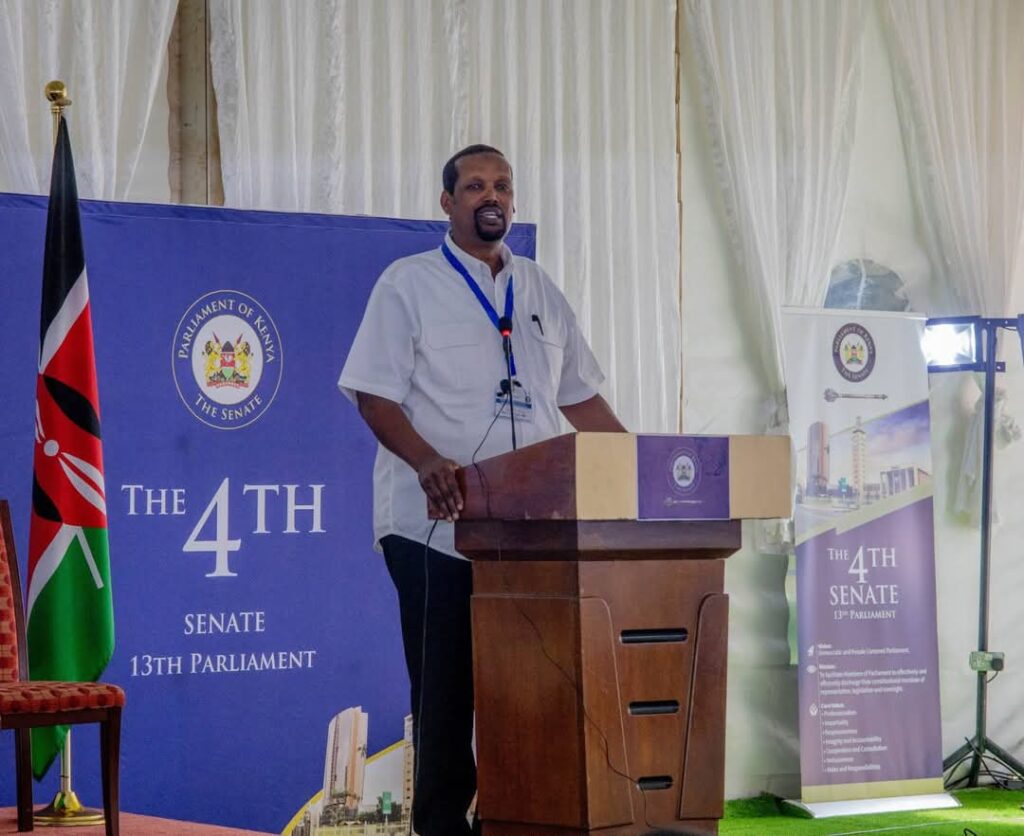
Senate Majority Leader Aaron Cheruiyot called for a thorough examination of the CRA’s proposal, urging the Finance Committee to analyze the data and ensure an informed decision is made. He insisted that discussions should be based on factual evidence rather than political considerations.

However, some senators took issue with the CRA’s failure to address rampant financial mismanagement in counties. They argued that any new formula should include measures to hold accountable those counties that have consistently misused funds. Some proposed reducing allocations to such counties as a punitive measure to enhance fiscal discipline.

Deputy Speaker Sen. Kathuri Murungi opposed this approach, arguing that punishing counties for the actions of a few corrupt officials was unfair. “The Senate should perform its oversight role and impeach Governors who mismanage funds instead of punishing common citizens for the crimes committed by known individuals,” he asserted.
The CRA, led by Chairperson CPA Mary Wanyonyi, defended the proposed revenue-sharing framework, stating that it seeks to ensure counties function efficiently while addressing disparities in economic development. The new allocation formula is based on several parameters:
- Population – 42%
- Equal share – 22%
- Geographical size – 9%
- Poverty levels – 14%
- Income distance – 13%
Wanyonyi justified the formula, saying it aims to promote affirmative action for disadvantaged areas while ensuring stable and predictable revenue flows. She also emphasized that counties should be encouraged to enhance their own revenue generation.
With the proposal now before the Senate, legislators are expected to scrutinize it thoroughly before making a final resolution when the House resumes on Tuesday, February 11, 2025.
The battle over revenue-sharing is far from over, and with senators standing firm against any reduction in county funds, the CRA may have to rethink its strategy. One thing is clear: the fight for county resources has only just begun.
