



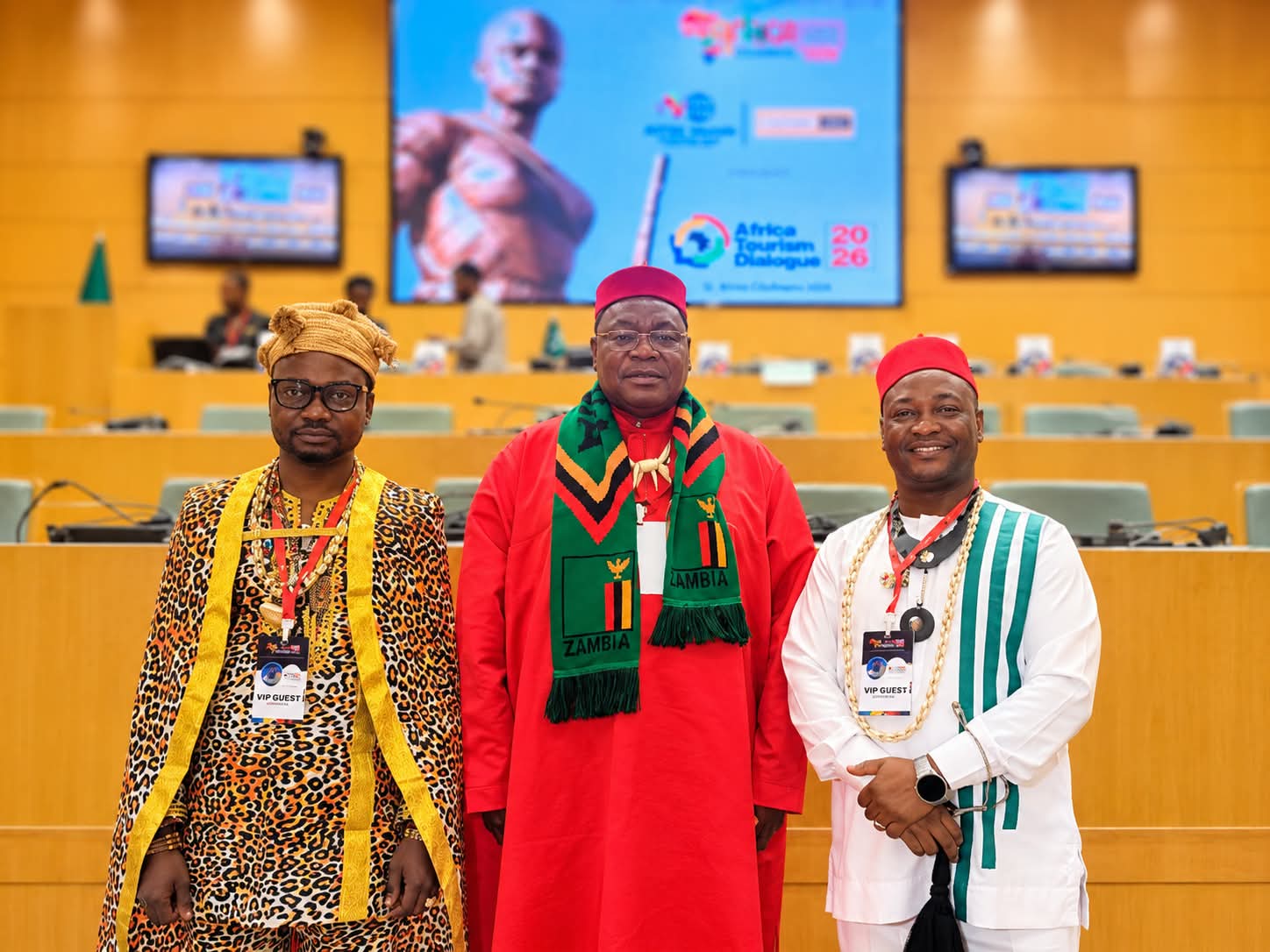
What began as a historic international engagement for Kenya’s newly installed Anzauni traditional chief, His Royal Highness Chief Kyalo Muli I, has culminated in a major continental development, with traditional leaders from more than 46 African countries and the diaspora agreeing to establish the African Traditional Leaders Council (ATLC).
The decision, reached on Thursday at the African Union (AU) Headquarters in Addis Ababa, followed days of discussions on the place of indigenous institutions in Africa’s governance, historical justice, cultural preservation and sustainable development.
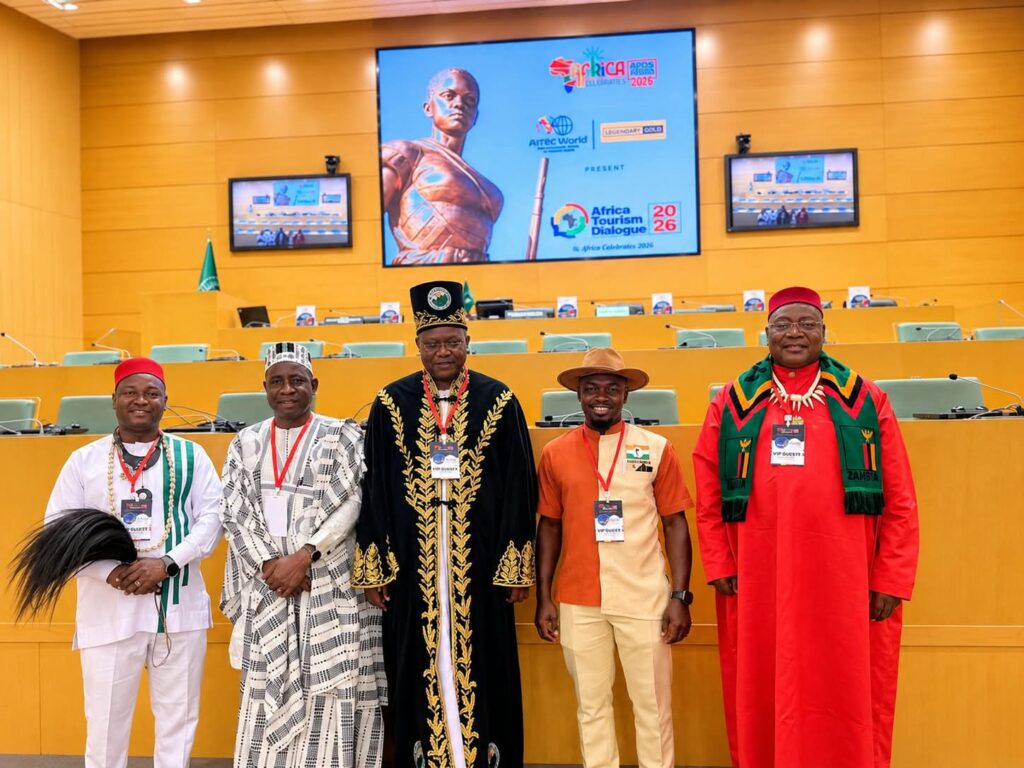
The adoption of the Addis Ababa Declaration establishing the council marks a significant development in efforts to bring traditional kingdoms, chiefdoms and indigenous institutions under a common continental platform.
📊 Channel 15 News Opinion Poll
For Kenya, the development also puts Chief Kyalo Muli, the traditional leader of the Anzauni Clan of the Akamba community, at the centre of an emerging continental conversation about the future of traditional leadership.
Muli, who travelled to Ethiopia for his first international engagement following his installation on October 31, 2026, in Misuuni, Ngiini Village, Kitui County, attended the African Traditional Leaders Forum 2026 as a special guest, speaker and moderator.
His participation came at a particularly important moment for the Anzauni institution, which had gone more than 70 years without a recognised traditional chief.
From questioning colonial governance to demanding a place for traditional institutions
During his Addis Ababa engagement, Muli made a strong intervention at the Africa Reparations Forum 2026, challenging African governments to confront what he described as unfinished liberation.
He argued that while African countries had attained political independence, many indigenous governance institutions dismantled during colonial rule had never been adequately restored or recognised.
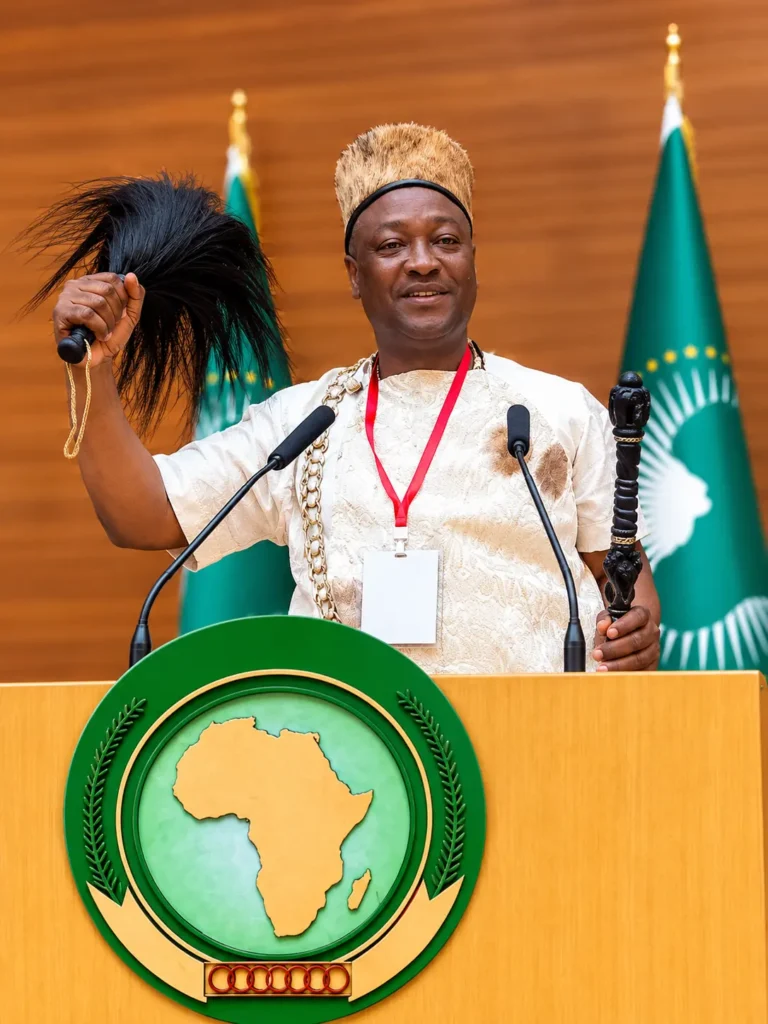
“Everyone is talking about reparations, justice and action against the injustices of colonialism. But what about the governments that took over from colonial powers and continued with colonial systems?” he posed.
He questioned why traditional leaders, who continue to command influence within their communities, remain largely outside formal continental governance structures.
Muli also raised concerns about the position of traditional institutions in Kenya, arguing that government-appointed administrative chiefs enjoy formal recognition while indigenous traditional leadership structures lack comparable institutional support.
His argument extended beyond historical recognition to the question of representation, with the Anzauni chief proposing an African Traditional Leaders Parliament as an advisory organ of the African Union.
“Do not write Agenda 2063 about us without us,” he told delegates.
The intervention placed the question of traditional leadership within the broader debate on reparatory justice, arguing that addressing colonial injustices should also involve reconsidering the treatment of indigenous institutions by post-independence African governments.
The Addis Ababa Declaration: A new continental platform
The discussions subsequently moved into a critical session under Thematic Area 4 of the African Traditional Leaders Forum 2026, focusing on Traditional Governance, Indigenous Economies and Sustainable Development.
It was here that Muli took on the responsibility of moderating the session that culminated in the unanimous adoption of the declaration establishing the African Traditional Leaders Council.
The session opened with a keynote address by His Eminence Dr Eberechukwu Oji, Eze Aro IX of Nigeria, who examined the relationship between traditional governance, indigenous economies and sustainable development.
Dr Oji later presented the proposed Addis Ababa Declaration for consideration and adoption by the assembly.
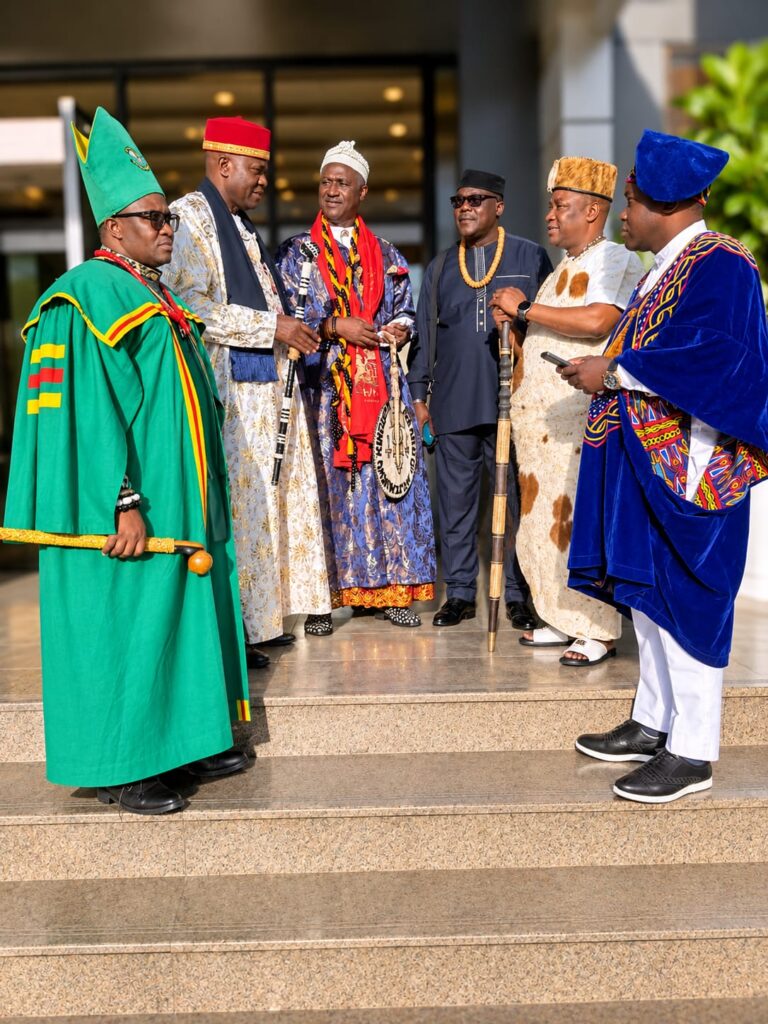
Other members of the panel included His Royal Highness Kgosi Fredrick Mogane of South Africa, His Excellency Prince Ajinga Justin Tanyi of Cameroon, His Excellency General Brigadier Wallace Williams, representing the diaspora, and Hon. Minister S’Khumbuzo Dlamini of the Kingdom of eSwatini.
After presentations and contributions from delegates, Muli put the proposal to the assembly, challenging the traditional leaders to decide whether they were ready to assume collective responsibility for shaping the future of their institutions.
“Are we ready to take on this responsibility as custodians of our cultures? As bearers of all traditional authority, are we ready to draft a new path for ourselves today?” he asked.
He then called on those supporting the establishment of the council to voice their approval.
The response was unanimous.
“The AYES have it! The AYES have it! By acclamation, we have adopted the formation of the African Traditional Leaders Council. History is made!” Muli declared.
The proposal was adopted by acclamation, with no dissenting voice reported.
What the new council means for Africa
Under the Addis Ababa Declaration, the African Traditional Leaders Council is envisaged as an independent, voluntary and continent-wide platform bringing together natural and traditional rulers and representatives of indigenous traditional institutions.
The proposed institution will operate on a non-partisan basis and will not seek to replace elected governments or assume the constitutional responsibilities of established public authorities.
Instead, it is intended to provide traditional leaders with a coordinated platform to contribute to peacebuilding, conflict prevention, mediation, reconciliation, cultural preservation and sustainable development.
The declaration also commits the council to respecting the sovereignty and territorial integrity of African states, constitutional governance, the rule of law, human rights, democratic participation, gender equality and the equal dignity of all persons.
Its objectives include supporting the African Union’s Agenda 2063, particularly its aspirations around cultural identity, continental integration and sustainable development.
On reparatory justice, the declaration proposes the establishment of an African Traditional Leaders Working Group on Reparatory Justice to pursue structured engagement with the African Union Commission and relevant institutions, including the African Union Commission on Reparations (AUCER).
The initiative therefore seeks to give traditional institutions a more coordinated voice in discussions about Africa’s historical injustices and development priorities.
90-day deadline for the council’s charter
Following the adoption, the assembly mandated a 15-member Charter Drafting Committee to prepare a draft constitution or charter within 90 days.
The committee will comprise five members drawn from the Thematic Area 4 panel, including its moderator, and ten additional representatives, with two members from each of Africa’s five regions: North, West, Central, East and Southern Africa.
Once the proposed charter has been adopted, the council intends to submit it to the African Union Commission alongside a formal request for observer status or another appropriate consultative arrangement under AU rules.
The declaration was signed by the natural and traditional rulers and representatives present in Addis Ababa as the founding declaration of the proposed council.
What this means for Anzauni and the Akamba community
For Muli, the Addis Ababa engagement represents an important international chapter in his traditional leadership journey, which began with his installation as the first recognised Anzauni chief in more than seven decades.
Before assuming the traditional leadership position, he served as the Anzauni Clan Patron and was involved in efforts to strengthen the institution’s cultural identity and community organisation.
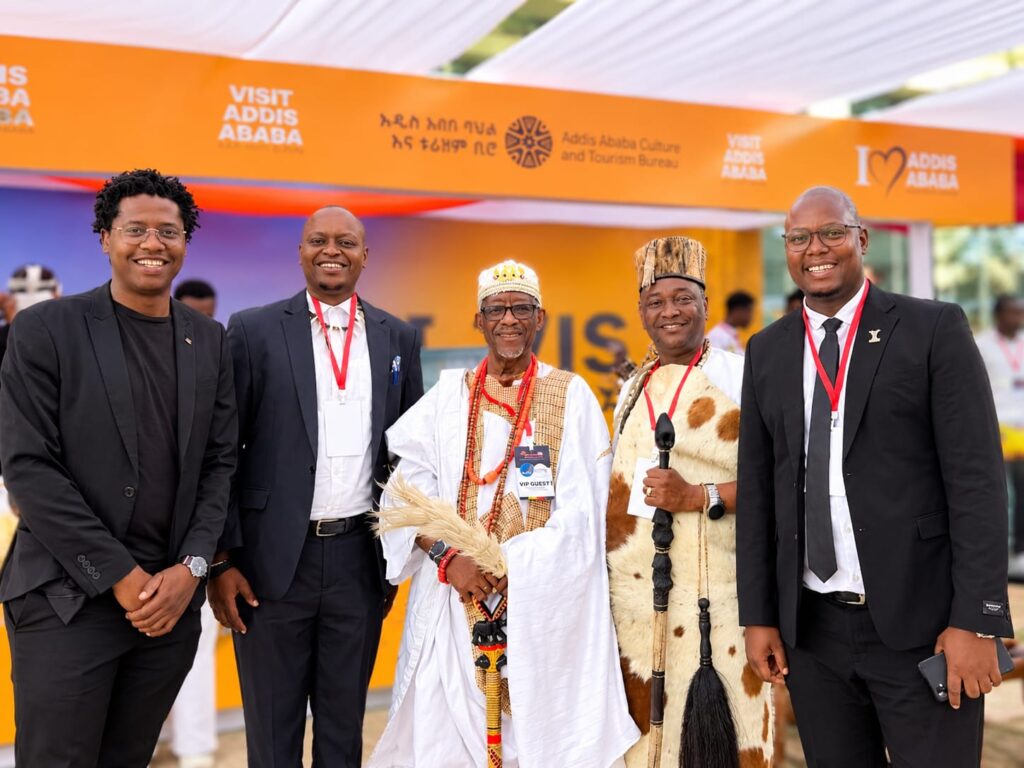
His agenda includes establishing a permanent Anzauni headquarters, developing a cultural centre and museum, creating an Anzauni Welfare Association and documenting the history, traditions and indigenous knowledge of the community.
He has also identified opportunities to promote community enterprises linked to cultural tourism and indigenous economic activities.
By taking these issues to an international platform, Muli has connected the aspirations of the Anzauni community and the wider Akamba heritage to a much bigger continental discussion.
The Addis Ababa declaration now provides a proposed institutional framework through which traditional leaders from different African countries can coordinate their engagements and pursue common interests.
However, the adoption of the declaration is only the beginning. The next test will be the completion of the charter, the establishment of the council’s structures and the eventual formalisation of its relationship with the African Union.
For a traditional institution recently revived after more than seven decades, the Anzauni community’s presence in this unfolding continental conversation marks a new chapter.
And for Africa’s traditional leaders, the challenge is now to turn the historic declaration signed in Addis Ababa into a functioning institution with a meaningful role in the continent’s future.
