



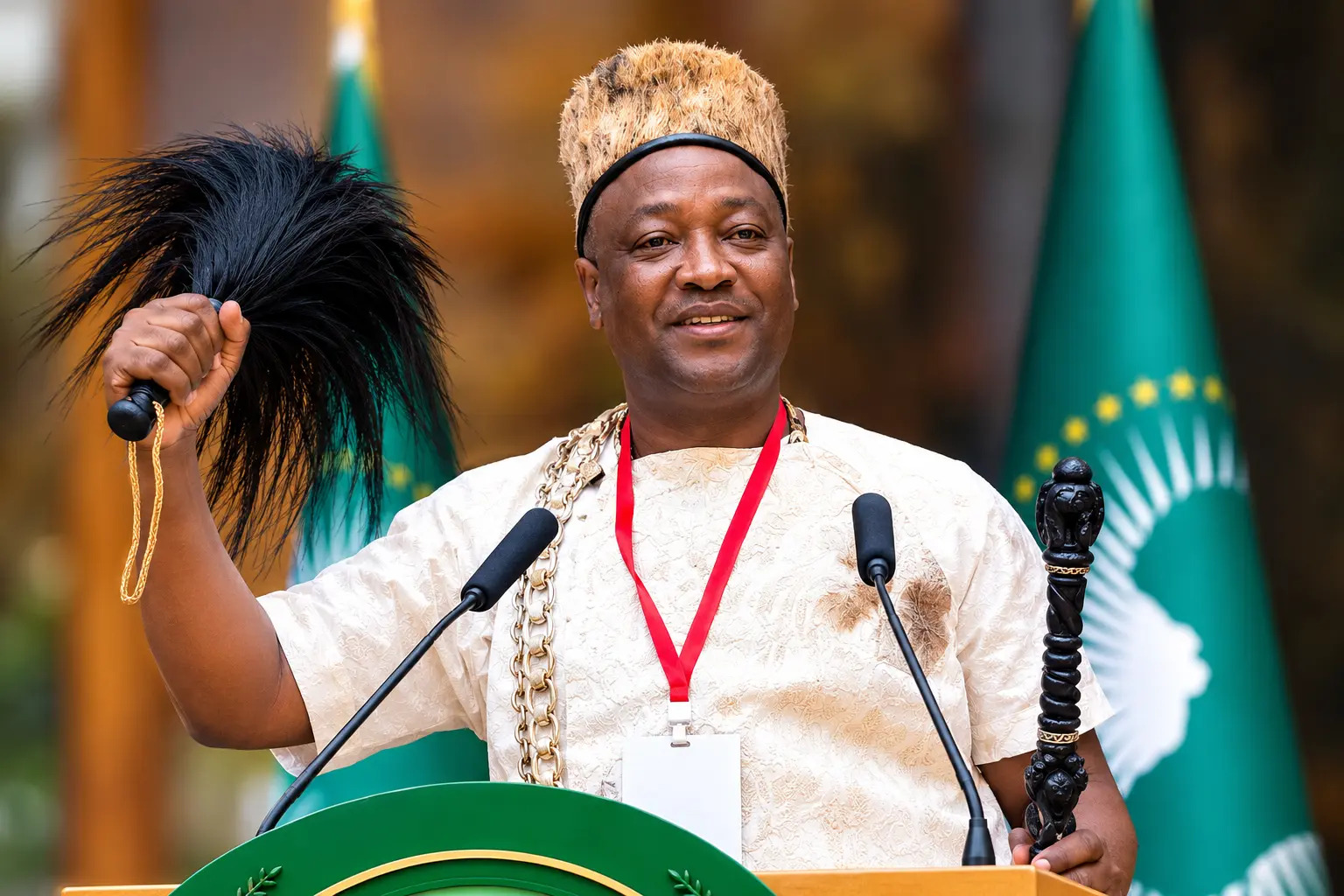
Anzauni Chief His Royal Highness Kyalo Muli I has challenged African governments to confront what he describes as an unfinished liberation, arguing that decades after independence, much of the continent remains governed through colonial-era administrative systems that marginalise indigenous institutions.
Speaking at the Africa Reparations Forum 2026 held at the African Union (AU) Headquarters in Addis Ababa, Ethiopia, Muli declared that Africa is yet to achieve complete freedom because traditional governance structures dismantled during colonial rule have never been adequately restored.
The newly installed Anzauni traditional leader, who also serves as the Party Leader of Kenya’s National Liberal Party (NLP), questioned why African governments continue to operate systems inherited from colonial administrations while traditional institutions that governed indigenous communities before colonialism remain largely outside formal State structures.
📊 Channel 15 News Opinion Poll
His address challenged African leaders to reconsider the meaning of independence, arguing that political sovereignty alone did not necessarily translate into the restoration of indigenous authority, cultural institutions and traditional systems of governance.
“Everyone is talking about reparations, justice and action against the injustices of colonialism. But what about the governments that took over from colonial powers and continued with colonial systems?” he posed.
Addressing an audience comprising traditional leaders, African Union officials, scholars and representatives from different parts of the continent, Muli argued that Africa’s liberation should not be measured only by the departure of colonial administrations and the establishment of independent governments.
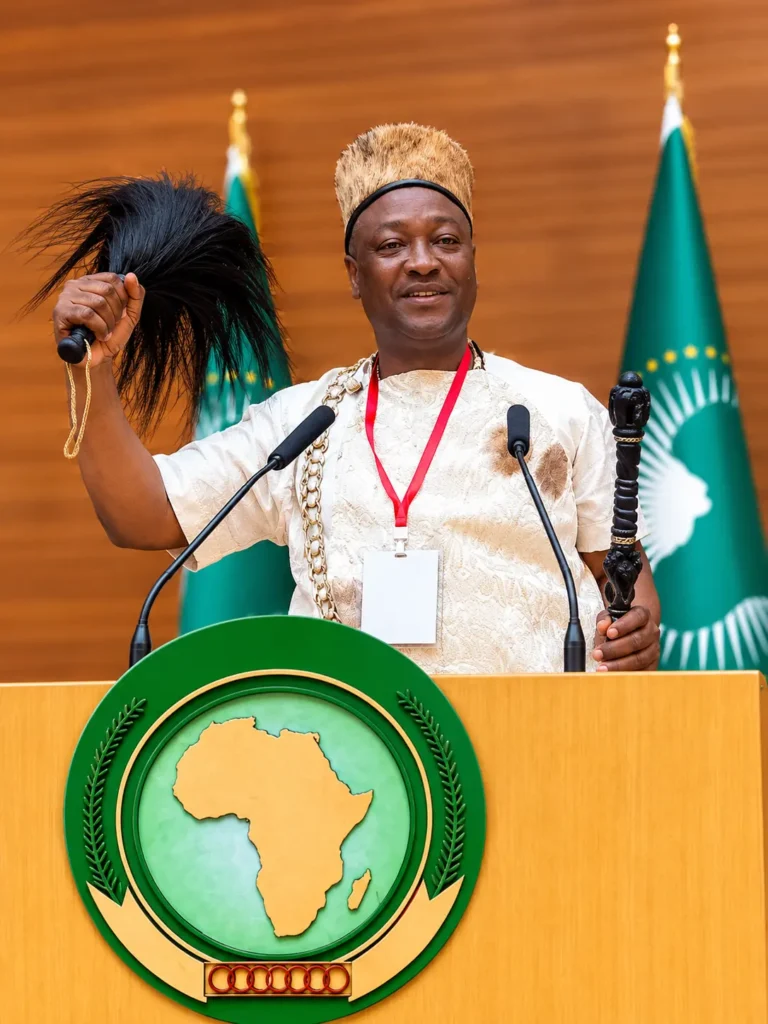
Photo: Channel 15 News
He said independence gave African countries national flags, anthems and sovereign administrations but failed to fully return authority to the indigenous institutions that had governed communities for generations.
According to Muli, colonial administrations dismantled established African governance structures, including councils of elders, kingdoms and traditional leadership systems, replacing them with administrative arrangements primarily designed to control local populations.
He argued that the problem was not entirely resolved after independence, claiming that successive African governments retained colonial administrative structures, land laws and governance models instead of undertaking a comprehensive restoration of indigenous institutions.
The Anzauni chief maintained that this created a contradiction in which African countries celebrate political independence while many traditional institutions continue to operate without meaningful recognition within the governance systems of their respective nations.
Questions over recognition of traditional leaders
Muli placed particular emphasis on what he described as the unequal treatment of traditional leaders and government-appointed administrators.
He argued that traditional leaders continue to command considerable respect within their communities and carry the responsibility of preserving cultural identity, resolving disputes and maintaining community cohesion, yet many lack formal recognition, institutional support and resources.
“In many countries, traditional leaders carry great titles — His Royal Highness, His Royal Majesty, Fon, Kgosi — but those titles have been made small by the systems we inherited,” he said.
Using Kenya as an example, Muli questioned why government-appointed chiefs operating within the State’s administrative structure receive official recognition and salaries while traditional leaders representing indigenous communities do not enjoy similar institutional support.
He acknowledged the Constitution’s recognition of traditional dispute resolution mechanisms but argued that this recognition does not amount to comprehensive constitutional protection for traditional institutions themselves.
His argument raises a broader governance question about the relationship between Kenya’s modern administrative structures and traditional leadership systems that existed before colonial rule.
For communities whose cultural institutions are organised around councils of elders, clan leadership and hereditary traditional authority, the question of recognition remains closely connected to cultural preservation, community identity and the role of indigenous institutions in contemporary society.
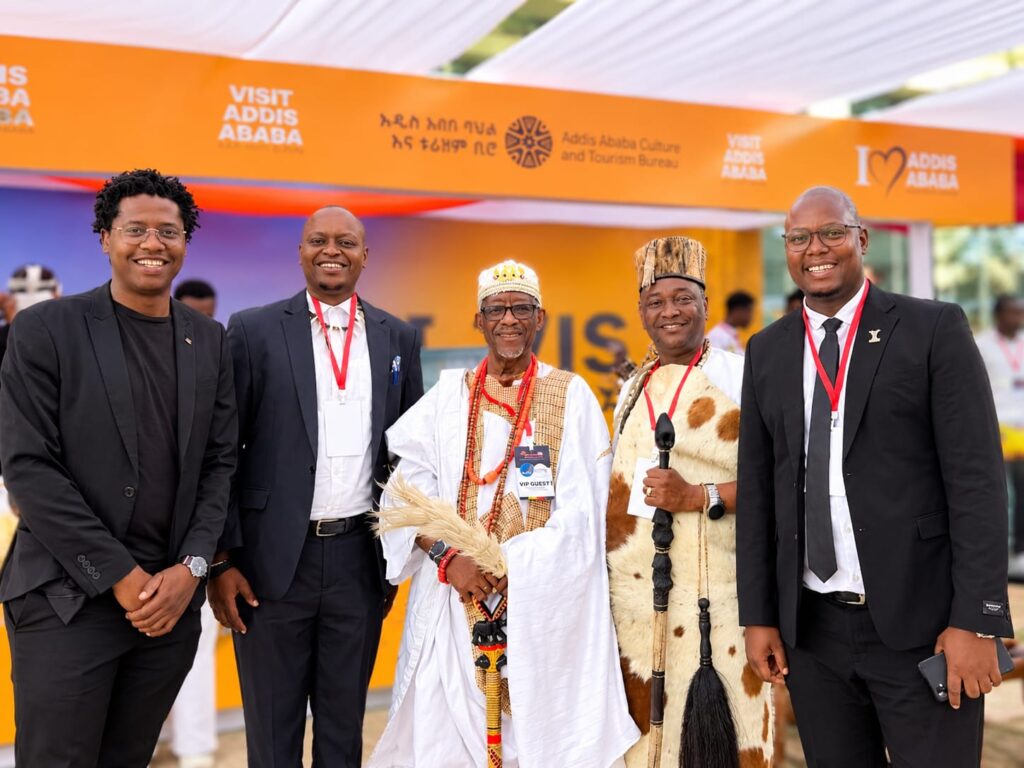
Photo: Channel 15 News
Muli challenged African governments to move beyond diplomatic language when discussing these concerns, insisting that the continent must openly examine the structures it inherited after independence.
“There comes a time when we must remove the diplomatic robe and say what needs to be said. That time is now,” he declared.
Reparations must go beyond compensation
On the central question of reparations, Muli argued that Africa must broaden its understanding of historical justice beyond demands for compensation from former colonial powers.
He called for what he described as both external and internal reparations.
External reparations, in his argument, would involve compensation and justice from former colonial powers for historical injustices committed against African societies.
Internal reparations, meanwhile, would require African governments to confront the institutional consequences of colonialism by recognising and restoring indigenous governance structures that were displaced.
His position places the responsibility for addressing colonial-era injustices not only on former colonial powers but also on independent African governments that inherited and maintained aspects of the systems established during colonial rule.
The argument introduces another dimension to the reparations debate: whether historical justice can be considered complete when the institutions that once represented indigenous communities remain marginalised in the countries they helped shape.
For Muli, restoring traditional institutions should form part of Africa’s wider efforts to reclaim its cultural identity and strengthen indigenous participation in governance.
Challenges African Union over Agenda 2063
The Anzauni chief also turned his attention to the African Union’s Agenda 2063, questioning whether the continent’s long-term development blueprint adequately recognises the institutions responsible for preserving African cultural heritage.
He argued that traditional leaders should not remain on the margins of continental discussions when policies concerning Africa’s identity, heritage and development are being formulated.
“If Agenda 2063 speaks about an Africa with a strong cultural identity, where is the place and support for the institutions that preserve that identity?” he asked.
His criticism centred on what he considers a gap between the African Union’s stated commitment to cultural identity and the limited formal participation of traditional institutions in continental decision-making.
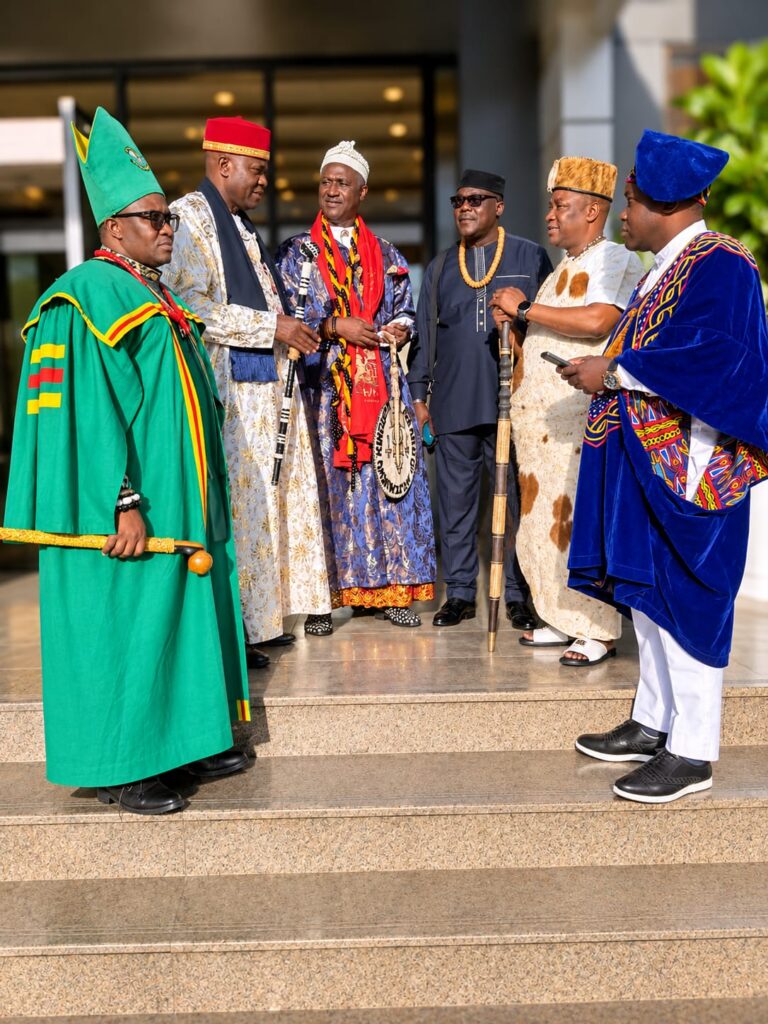
Muli maintained that traditional leaders should have a recognised platform through which they can contribute to discussions affecting their communities, particularly on cultural preservation, indigenous governance and development.
Push for African Traditional Leaders Parliament
In one of the most significant proposals in his address, Muli called for the establishment of an African Traditional Leaders Parliament as an advisory organ of the African Union.
The proposed institution would provide traditional leaders from different African countries with a formal continental platform to articulate the interests of indigenous communities and contribute to policy discussions.
Such a body, he argued, would help bridge the gap between modern State institutions and traditional governance systems while giving communities a stronger voice in decisions affecting their cultural identity and heritage.
His proposal also seeks to elevate traditional leadership beyond ceremonial recognition, positioning indigenous institutions as potential contributors to Africa’s governance and development agenda.
“Do not write Agenda 2063 about us without us,” he told delegates.
The proposal, if taken forward, would require consideration by the African Union and its member states, including discussions on its mandate, representation and relationship with existing continental institutions.
A new international chapter for Anzauni
Muli’s intervention in Addis Ababa comes at a defining moment in his own leadership journey.
On October 31, 2026, he was installed as His Royal Highness Chief Kyalo Muli I at Misuuni, Ngiini Village, in Kitui County, following the revival of the Anzauni traditional institution after more than seven decades without a recognised chief.
Before his installation, Muli served as the Anzauni Clan Patron, a position through which he was associated with efforts to strengthen the community’s traditional identity and institutional organisation.
His elevation to the traditional leadership position has brought renewed attention to the Anzauni institution and its place within the wider Akamba cultural heritage.
Among the priorities associated with his leadership agenda are strengthening community organisation, preserving Anzauni history, promoting indigenous knowledge and establishing institutions that can support the welfare and cultural development of the community.
His appearance at the Africa Reparations Forum now takes that conversation beyond Kitui, placing the concerns of traditional leadership within a wider African debate about historical justice, political independence and the future of indigenous governance.
However, the bigger test will be whether the issues raised in Addis Ababa translate into concrete discussions and institutional reforms at the national and continental levels.
For African governments, the challenge presented by Muli is whether independence should be understood simply as the transfer of political power from colonial administrations or as a continuing process that also requires the restoration and recognition of indigenous institutions.
For the Anzauni community, his international intervention provides an opportunity to bring its traditional identity and aspirations into a wider continental conversation.
And for the African Union, his proposed African Traditional Leaders Parliament raises a fundamental question: can Africa fully celebrate its cultural identity while the institutions entrusted with preserving that identity remain largely outside its formal governance structures?
